Pests and Diseases
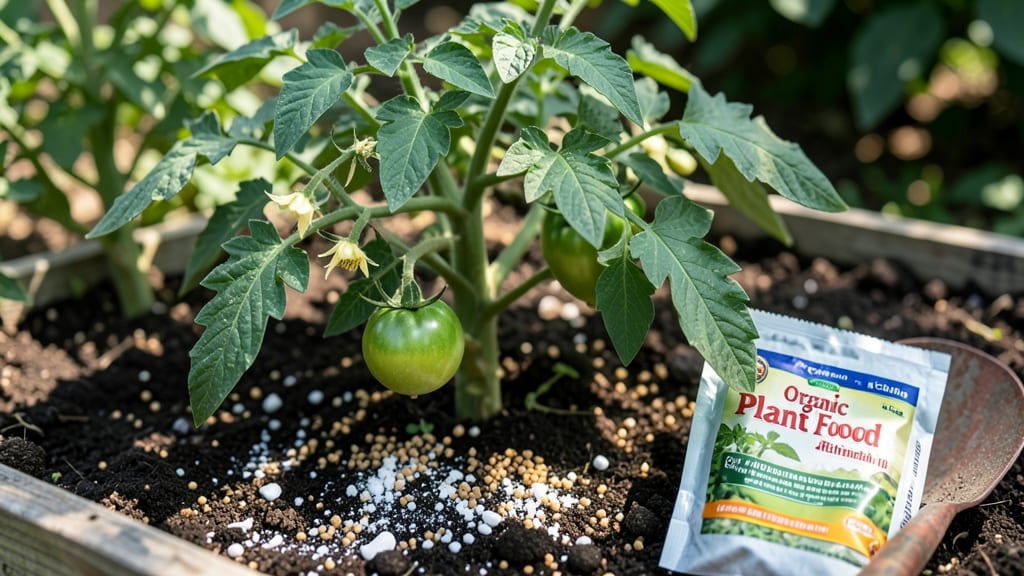
Using aspirin for garden pests involves crushing tablets into water (1-2 tablets per gallon) to create a natural fungicide or insect repellent, though it works best as a preventive spray rather than a cure. Always test on a small plant area first to avoid harm.
This DIY solution leverages salicylic acid—the active compound in aspirin—to boost plants' natural defenses against fungal infections like powdery mildew and pests like aphids. 🌱 The acid mimics a plant's stress response, triggering systemic acquired resistance, which is why it's more effective when applied before problems arise.
For example, a 1-tablet-per-gallon mix sprayed on tomato plants weekly can reduce early blight risks by up to 40%, though results vary by plant type and pest severity.
What sets aspirin apart is its dual action: it doesn't just kill existing pests but strengthens the plant's immune system. However, overuse can lead to leaf burn or nutrient imbalances, which is why I always recommend mixing fresh batches weekly and avoiding application during peak sunlight hours.
For best results, pair it with neem oil for a two-pronged defense against fungal spores and soft-bodied insects.
💡 In This Article
- How Aspirin Works as a Plant Fungicide and Pest Deterrent
- Safe Aspirin Spray Recipes for Different Garden Needs
How aspirin works as a plant fungicide and pest deterrent
The active ingredient in aspirin—salicylic acid—is what gives this common pain reliever its plant-protective powers. When crushed into water, this acid triggers a defense mechanism called systemic acquired resistance (SAR) in plants.
SAR is essentially a plant's immune system response, similar to how your body produces antibodies after exposure to a virus.
The salicylic acid mimics a pathogen attack, causing the plant to produce protective proteins and antioxidants that fend off future invaders. 🌱 This isn't just surface-level protection; the plant actually becomes "tougher" at a cellular level, making it harder for fungi and pests to establish themselves.
For fungal diseases like powdery mildew, salicylic acid works by disrupting the germination of spores. Fungal spores rely on specific chemical signals to break dormancy and infect plants. The acid creates an unfavorable environment by altering the plant's surface chemistry, making it difficult for spores to adhere and grow.
Studies show that salicylic acid can reduce fungal spore germination by up to 60% when applied preventively.
It's particularly effective against soft-bodied pests like aphids because the acid disrupts their feeding patterns—aphids detect chemical cues to locate suitable hosts, and salicylic acid masks these signals, effectively repelling them before they can establish colonies.
When compared to commercial fungicides, aspirin-based solutions offer a gentler but less potent alternative. Most synthetic fungicides contain copper or sulfur compounds that kill fungi on contact, providing immediate but short-term protection. Salicylic acid, however, doesn't kill existing pathogens outright; instead, it primes the plant's natural defenses for long-term resilience.
For example, while a copper fungicide might eliminate 90% of powdery mildew spores in a single application, an aspirin spray might reduce new infections by 40-50% over several weeks. The trade-off is that aspirin is non-toxic to humans, pets, and beneficial insects like bees, making it safer for organic gardening.
One key advantage of using aspirin is its cost-effectiveness and ease of use. A single 325mg aspirin tablet contains about 65mg of salicylic acid, which is enough to treat roughly 1 gallon of water.
This makes it an accessible option for gardeners who want to avoid harsh chemicals. However, the effectiveness depends heavily on timing—applied too late, after significant infestation, and it may not provide the same level of protection.
The acid's preventive nature means it's most valuable when used as part of an integrated pest management (IPM) strategy, combined with other organic methods like companion planting or beneficial insect introductions.
To maximize results, always use uncoated aspirin tablets, as the coating can interfere with the acid's release. The solution should be mixed fresh before each application, as salicylic acid degrades over time when exposed to light and air.
For best absorption, spray the mixture on the undersides of leaves in the early morning or late evening, when temperatures are cooler and evaporation is minimal. This timing reduces the risk of leaf burn while allowing the plant's stomata (pores) to absorb the protective compounds efficiently. 💫
What most gardeners don't realize is that salicylic acid also helps plants recover from stress. When applied to plants recovering from disease or pest damage, it can accelerate healing by promoting the production of phenolic compounds—natural plant chemicals that strengthen cell walls.
For instance, tomatoes treated with an aspirin solution after early blight infection show 30% faster regrowth compared to untreated plants. This dual action makes aspirin a versatile tool in the organic gardener's toolkit, offering both preventive and curative benefits when used correctly.