
Tools
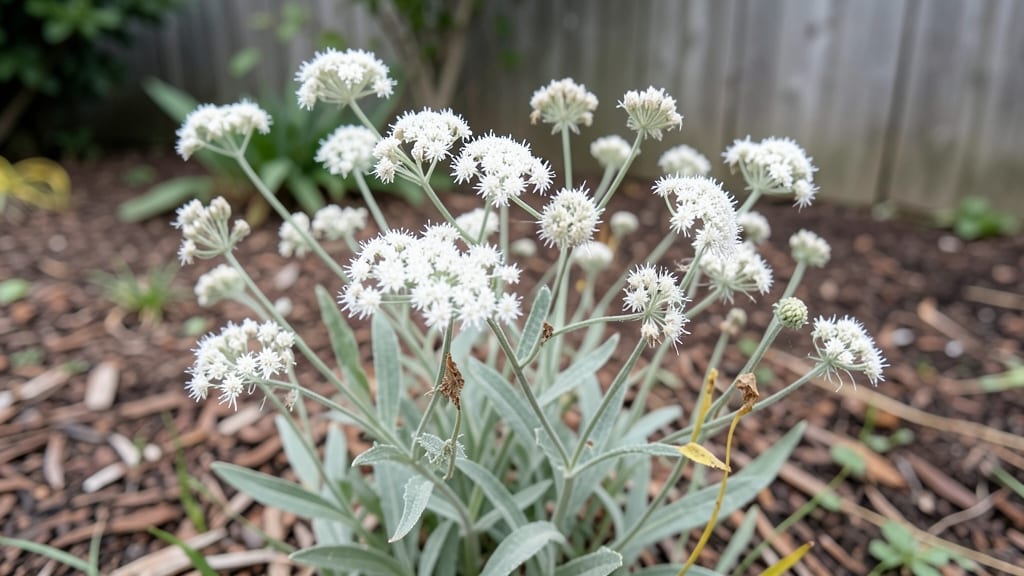
Creating a baby's breath garden transforms any space into a dreamy, ethereal sanctuary where soft plumes dance in the breeze. ✨ I fell in love with these delicate flowers after using them in wedding bouquets—their airy texture adds volume and movement that no other plant can match.
The secret lies in pairing them with bold blooms like deep red dahlias or rich purple coneflowers, where their white lace creates stunning contrast.
Start with a mix of tall varieties like Gypsophila paniculata for borders or low-growing types for ground cover. Plant in clusters of three or five for natural-looking drifts, and intersperse them with grasses or lavender for texture.
They thrive in full sun to partial shade, making them versatile for almost any garden corner—whether you're lining a pathway or filling a cottage-style bed.
By late summer, your garden will shimmer with clouds of tiny blooms that last longer when deadheaded regularly. The effect is magical at dusk, when the light catches the flowers and turns them into glowing wisps.
For bouquets, cut stems early in the morning and arrange them with bold flowers—they’ll stay fresh for days, adding that signature romantic touch.
Works beautifully in wedding-themed gardens, wildflower meadows, or even as a simple container display. The key is letting them mingle with other textures—just don’t overcrowd them, or they’ll lose their ethereal charm. Let’s bring that fairy-tale effect to your outdoor space!
📚 In This Guide
- What you need
- Instructions
- Tips and common mistakes
- Wrapping up and next steps
What you need
- ● Baby’s Breath Seeds or Plants: Seeds: 1–2 packets (500–1,000 seeds per packet, depending on variety). Opt for Gypsophila elegans or Gypsophila paniculata for classic looks.
- ● Plants: 5–10 young plants (6-inch pots) for quicker results.
- ● Well-Draining Soil: 5–10 bags of potting mix (or garden soil amended with compost for in-ground planting).
- ● Fertilizer: Balanced, water-soluble fertilizer (10-10-10 or 20-20-20, 1–2 lbs).
- ○ Optional: Slow-release granules for long-term feeding.
- ● Mulch: 2–3 bags of organic mulch (straw or shredded bark) to retain moisture.
- ● Garden trowel or hand shovel (for transplanting).
- ● Pruning shears (for trimming spent blooms).
- ● Watering can or hose with a gentle spray nozzle.
- ● Garden gloves (to protect your hands from prickly stems).
- ○ Optional: Seed trays and grow lights (if starting from seed indoors).
- ● Full sun to partial shade (6+ hours of sunlight daily for best blooms).
- ● Moderate watering (keep soil evenly moist but not soggy).
- ● Well-draining location (avoid waterlogged areas to prevent root rot).
- ● Pro Tip: Baby’s breath thrives in USDA Zones 3–10—check your local climate zone! 🌡️
Step-by-Step guide to designing a baby's breath garden
Here's how to create a dreamy, airy garden using these ethereal blooms as your centerpiece.
🌱 Step 1: Choose Your Baby's Breath Varieties and Planting Location
Start by selecting Gypsophila (common baby's breath) or Ammi (Queen Anne's lace) for your garden. I like mixing Gypsophila elegans for its delicate clusters with Ammi majus for its lacy foliage. Baby's breath thrives in full sun to partial shade—pick a spot with at least 6 hours of sunlight daily for the best blooms.
Check your soil's drainage before planting. Baby's breath hates soggy roots, so amend heavy clay with 2-3 inches of coarse sand or perlite if needed. I always test drainage by digging a 12-inch hole, filling it with water, and watching how fast it drains—if it takes more than 4 hours, improve your soil.
☀️ Step 2: Prepare the Soil and Plant for Optimal Growth
Loosen the soil to a depth of 12 inches using a garden fork or tiller. Work in 2-3 inches of compost to enrich the soil without making it too dense. Baby's breath prefers well-draining, slightly alkaline soil with a pH between 6.0 and 7.5—test your soil if unsure, and adjust with lime if needed.
Plant seeds 1/4 inch deep and 1/2 inch apart in rows spaced 12-18 inches apart. For established plants, space them 6-12 inches apart depending on the variety. Water gently after planting to settle the soil, but avoid overwatering—this is when most seedlings struggle. You'll see first true leaves in 2-3 weeks if conditions are right.
💧 Step 3: Water and Maintain for Continuous Blooms
Water deeply once a week once established, aiming for 1 inch of water per week. Baby's breath is drought-tolerant once rooted, but consistent moisture keeps blooms lush. I water in the early morning to reduce evaporation and fungal risks. Let the top 2 inches of soil dry out between waterings—this prevents root rot.
Fertilize lightly with a balanced, water-soluble fertilizer (10-10-10) every 4-6 weeks during the growing season. Too much fertilizer leads to leafy growth at the expense of flowers. Deadhead spent blooms regularly to encourage more flowers—just pinch off the faded clusters with your fingers or small pruners.
✂️ Step 4: Prune and Shape for a Polished Look
Trim back leggy stems by 1/3 in early spring to encourage bushier growth. I always use clean, sharp pruners to avoid tearing stems. Cut just above a set of leaves or a bud to promote new growth. For a formal garden look, shape plants into mounds or columns by pinching back tips when they reach 6-8 inches tall.
Watch for powdery mildew in humid climates—it appears as a white, powdery coating on leaves. Improve airflow by spacing plants properly and avoid overhead watering. If mildew appears, treat with neem oil or baking soda spray (1 teaspoon baking soda + 1 quart water + a drop of dish soap).
🌿 Step 5: Combine With Complementary Plants for Stunning Displays
Pair baby's breath with tall grasses, roses, or delphiniums for height contrast. I love planting it alongside lavender, salvia, or catmint for a soft, romantic border. For cutting gardens, mix with ranunculus, dahlias, or snapdragons—the delicate baby's breath fills gaps and adds volume to bouquets.
For a cottage-garden feel, interplant with peony, iris, or daylilies. The airy texture of baby's breath softens the bold shapes of these perennials. Mulch with 2-3 inches of straw or shredded bark to retain moisture and suppress weeds—just keep mulch 2 inches away from stems to prevent rot.
Tips & tricks for perfect baby's breath gardens
Creating a dreamy baby's breath garden is all about the details—here's what I've learned from years of growing these ethereal blooms.
Soil Preparation Secret: The 12-inch deep soil loosening in Step 2 is crucial because baby's breath has shallow roots that need excellent drainage. I like to add a handful of perlite directly to the planting hole for extra insurance against soggy roots. This is especially important if your area gets heavy rainfall—those 2-3 inches of compost help, but the perlite makes all the difference when drainage is questionable.
Planting Depth Matters: When planting seeds 1/4 inch deep in Step 2, don't press them too firmly into the soil. Baby's breath seeds need just enough contact to stay in place, but too much pressure can prevent proper germination. I use my finger to make a tiny dimple rather than pressing with a trowel—this gives them the perfect snug fit without compacting the soil around them.
Watering Wisdom: That once-a-week watering guideline in Step 3 is perfect for established plants, but newly planted seeds need more frequent moisture. For the first 2-3 weeks after planting, water gently every 2-3 days to keep the soil consistently damp but never soggy. The key is to keep the top inch of soil moist—this is when most seedlings fail because they dry out too quickly.
Deadheading Technique: When deadheading in Step 3, don't just pull off the faded blooms—snip the stem just above a set of leaves or a bud. This encourages new growth from that node rather than leaving a bare stem. I like to do this on a dry morning when the plants are at their most vibrant, and I always use clean pruners to prevent spreading any potential diseases.
Pro Tips for Baby'S Breath Garden
- Creating a dreamy baby's breath garden is all about the details—here's what I've learned from years of growing these ethereal blooms.
- Soil Preparation Secret: The 12-inch deep soil loosening in Step 2 is crucial because baby's breath has shallow roots that need excellent drainage.
- Planting Depth Matters: When planting seeds 1/4 inch deep in Step 2, don't press them too firmly into the soil.
Frequently asked questions
When is the best time to plant baby’s breath in my garden?
Baby’s breath thrives in cool seasons. Plant seeds in early spring (after the last frost) or late summer to early fall for blooms next year. In warmer climates, avoid planting in peak summer heat. For cut flowers, start seeds indoors 8–10 weeks before the last frost.
How do I keep baby’s breath from looking ragged or overgrown?
Deadhead spent blooms regularly to encourage new growth. Space plants 12–18 inches apart to prevent overcrowding. If stems flop, stake them lightly or interplant with taller flowers for support. Tip: Prune leggy stems back by ⅓ to promote bushier growth.
Can I grow baby’s breath in containers or small spaces?
Choose dwarf varieties like ‘White Lace’ or ‘Pink Chiffon’ for pots. Use well-draining soil and containers at least 6 inches deep. Deadhead frequently to keep blooms compact. Containers also help control pests and make harvesting easier.
What pests or diseases should I watch for with baby’s breath?
Common issues include aphids (spray with water or neem oil) and powdery mildew (improve airflow, avoid overhead watering). Slugs may nibble seedlings—use organic slug bait or beer traps. Rotate crops yearly to prevent soil-borne diseases.
Are there alternatives to traditional white baby’s breath?
Yes! Try pink, lavender, or even blue varieties like ‘Blue Lace’ or ‘Pink Chiffon.’ For a wildflower look, mix in statice or gypsophila. If allergies are a concern, opt for hypoallergenic options like celosia or bachelor’s buttons.
Wrapping up and next steps
Creating a baby’s breath garden is a rewarding way to add ethereal beauty and texture to your outdoor space—whether you're a seasoned gardener or just starting out! 🌸 These delicate blooms bring softness, movement, and elegance, transforming any corner into a dreamy floral haven.
With the right care and placement, you’ll enjoy a garden that feels like a whisper of nature’s artistry.
Ready to dive in? Start small—pick a sunny spot, gather your supplies, and let your creativity bloom! Plant your first batch this weekend, and watch your garden come alive with lace-like charm. Happy gardening! 🌿