
Tools
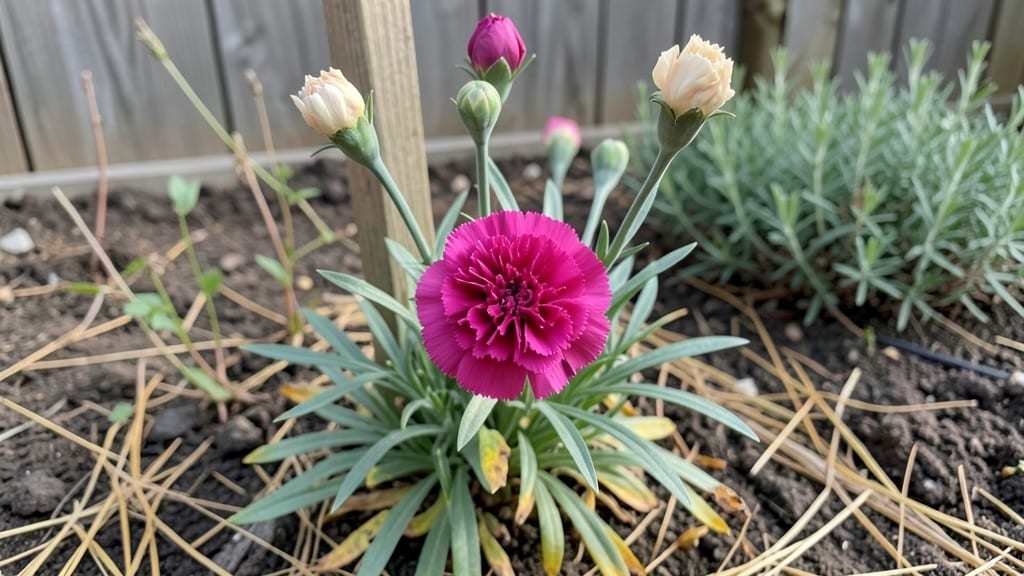
A backyard carnation garden brings effortless color and intoxicating fragrance to any yard. I planted mine last spring after years of admiring neighbors' vibrant borders, and now it's the first thing people notice when they visit.
The key is choosing the right varieties—some bloom nonstop from spring to frost, while others burst with color in just a few weeks. 🌸
Carnations thrive in full sun and well-drained soil, making them perfect for sunny borders or mixed flower beds. Space plants 12-18 inches apart to give them room to grow, and mix in drought-tolerant companions like lavender or catmint to reduce watering.
My garden stays lush with minimal effort because carnations naturally resist pests and diseases once established.
You'll end up with a fragrant, long-lasting display that changes with the seasons—pinks in spring, whites in summer, and deep reds in fall. The flowers last beautifully in vases too, so you always have fresh bouquets.
Once planted, they practically take care of themselves, rewarding you with weeks of vibrant blooms.
Works in any sunny spot, from small urban yards to large country gardens. The layout is simple: just group by color or height for maximum impact. Here's how to create your own fragrant haven!"
📚 In This Guide
- What you need
- Instructions
- Tips and common mistakes
- Wrapping up and next steps
What you need
- ● Carnation plants: 6–12 healthy seedlings or bare-root plants (choose varieties like Dianthus or Gillyflower for best results).
- ● Well-draining potting soil: 2–3 bags (1 cubic foot each) of lightweight, sandy loam mix (avoid heavy clay).
- ● Garden bed or containers: For in-ground: Mark a 4’ x 4’ area (adjust based on plant quantity).
- ● For containers: 5–7 gallon pots with drainage holes (1 plant per pot).
- ● Organic compost: 1–2 bags (for enriching soil; look for peat-free options).
- ● Mulch: 1–2 bags of pine bark or straw (to retain moisture and suppress weeds).
- ● Watering can or hose with gentle spray nozzle: For even hydration (aim for 1 inch of water weekly).
- ● Fertilizer: Balanced 10-10-10 or low-phosphorus option (follow package rates).
- ● Pruning shears: Sharp, bypass-style shears (for deadheading and shaping).
- ● Garden gloves: Heavy-duty (to protect from thorns and soil).
- ● Trowel or transplant spade: For digging and planting.
- ○ Soil pH test kit: Carnations thrive in 6.0–7.0 pH (optional but helpful!).
- ● Drip irrigation system: For hands-off watering (great for busy gardeners!).
- ● Decorative stakes or trellis: To support taller varieties (e.g., spray carnations).
- ● Slow-release granules: For season-long nutrients (mix into soil at planting).
- ● Pest control: Neem oil or diatomaceous earth (preventative measure for aphids).
Step-by-Step instructions for planting a backyard carnations garden
Here’s how to create a vibrant, fragrant display that keeps blooming from spring to frost.
🌱 Step 1: Choose the Perfect Planting Spot
Carnations thrive in full sun, so pick a location that gets at least 6-8 hours of direct sunlight daily. I always scout the yard in late afternoon when shadows are longest—this helps me visualize how sunlight shifts throughout the day. Avoid low-lying areas where cold air settles, as carnations dislike soggy roots.
Test the soil by digging a small hole and filling it with water. If it drains within 15 minutes, your spot has good drainage. If not, amend the soil with 2-3 inches of compost or a 50/50 mix of garden soil and sand to improve drainage. Well-draining soil prevents root rot, which is carnations’ biggest enemy.
🌿 Step 2: Prepare the Soil for Healthy Growth
Loosen the soil to a depth of 12 inches using a garden fork or tiller. This breaks up compacted layers so roots can spread easily. I like to rake the area smooth afterward—it makes planting seeds or transplants a breeze and helps water distribute evenly.
Work in 1-2 cups of balanced 10-10-10 fertilizer per 10 square feet of garden bed. Mix it into the top 6 inches of soil, then water deeply to help it settle. Carnations aren’t heavy feeders, but this gives them a strong start. Avoid fresh manure—it can burn delicate roots and attract pests.
🌱 Step 3: Plant Seeds or Transplants at the Right Depth
If starting from seed, sow them ¼ inch deep, spacing them 6-8 inches apart in rows 12 inches apart. Press gently but don’t cover too heavily—carnation seeds need light to germinate. For transplants, dig holes twice as wide as the root ball and just as deep. Place each plant in the center, then fill the hole with soil, tamping lightly to remove air pockets.
Water immediately after planting to settle the soil around roots. I use a gentle sprinkle from a hose with a fine nozzle—this prevents seeds or young plants from washing away. Mulch with 1-2 inches of straw or shredded leaves to retain moisture and suppress weeds. Keep the mulch 2 inches away from stems to prevent rot.
☀️ Step 4: Water and Fertilize for Continuous Blooms
Water carnations deeply once a week during dry spells, aiming for 1 inch of water total. Let the top 2 inches of soil dry out between waterings—this encourages deep root growth. I water in the early morning to reduce evaporation and fungal risks. Avoid wetting the leaves, as this can cause mildew.
Feed plants every 4-6 weeks with ½ cup of 5-10-10 fertilizer per 10 square feet. Stop fertilizing 6 weeks before the first frost to let flowers develop properly. Deadhead spent blooms by pinching off the stem just above a set of leaves. This redirects energy to new flowers and keeps your garden looking tidy.
✂️ Step 5: Prune and Maintain for Long-Lasting Beauty
Cut back faded stems to just above a leaf node to encourage bushier growth. I also trim leggy stems in early spring to promote compact, fuller plants. Avoid heavy pruning in fall—this can stress plants before winter. Divide clumps every 2-3 years in early spring by digging up the plant, separating the roots, and replanting sections 12 inches apart.
Watch for pests like aphids or spider mites—spray with neem oil if you spot them. Carnations are generally tough, but they’ll reward your care with weeks of vibrant color. With the right spot and a little attention, your garden will stay fragrant and full of blooms from late spring until frost.
Tips & tricks for perfect backyard carnations
Here's how to turn your carnation garden into a fragrant showstopper with minimal effort—and avoid the most common gardening mistakes.
The Sunlight Secret: That 6-8 hours of sunlight isn't just a suggestion—it's non-negotiable for vibrant blooms. I've seen carnations wilt dramatically when given less sun, so scout your yard in late afternoon when shadows are longest. If your spot only gets 4-5 hours, consider adding a tall trellis nearby to give them a sun boost during peak hours.
Soil Test Hack: The 15-minute drainage test in Step 1 is your best friend. If water pools after that time, don't just add more compost—test your soil's pH too. Carnations prefer slightly acidic soil (6.0-7.0 pH). You can buy a simple soil test kit for under $10, and adjust with lime if needed. I've had carnations thrive in amended soil that failed the drainage test but had the right pH.
Planting Depth Pro Tip: Those ¼-inch deep seeds might seem shallow, but carnation seeds need light to germinate. Use a ruler to measure your planting depth—any deeper and they won't sprout. For transplants, the "twice as wide" rule prevents root damage. I like to use my fingers to gauge hole size: spread your thumb and index finger about 2 inches apart—that's your target width.
Watering Wisdom: The "1 inch of water per week" guideline works, but timing matters more. Water in early morning so leaves dry quickly—this prevents fungal diseases. I set a rain gauge nearby to track rainfall, then only water when we're ½ inch below that weekly target. Overwatering is the #1 reason carnations develop root rot, and it's completely preventable.
Pro Tips for Backyard Carnation Garden
- Here's how to turn your carnation garden into a fragrant showstopper with minimal effort—and avoid the most common gardening mistakes.
- The Sunlight Secret: That 6-8 hours of sunlight isn't just a suggestion—it's non-negotiable for vibrant blooms.
- Soil Test Hack: The 15-minute drainage test in Step 1 is your best friend.
Frequently asked questions
Got questions about creating your own backyard carnation garden? You’re not alone! Here are some of the most common queries—and straightforward answers—to help you grow confidently.
When is the best time to plant carnations in my backyard?
For most climates, spring (after the last frost) and early fall are ideal. Carnations thrive in cooler weather—planting in late summer or early spring gives them time to establish roots before summer heat. In warmer zones (like Zones 8-10), you can plant in winter for spring blooms! Always check your local frost dates for precision.
How often should I water my carnation garden?
Carnations prefer consistent moisture but hate soggy soil. Water deeply 1-2 times per week, adjusting for heat/drought. Let the top inch of soil dry out between waterings—overwatering leads to root rot. Mulch around plants to retain moisture and suppress weeds. Pro tip: Water at the base (not leaves) to prevent fungal diseases like powdery mildew.
What pests or diseases should I watch for in my carnation garden?
Common culprits include aphids, spider mites, and whiteflies (sucking pests) and powdery mildew or rust (fungal). Inspect leaves regularly for holes, yellowing, or white powder. Neem oil or insecticidal soap works well for pests, while good airflow and fungicides prevent mildew. Remove affected leaves promptly to stop spread.
Can I grow carnations in containers, or do they need a full garden bed?
Carnations adapt well to containers (12+ inches deep) if you use well-draining soil and a pot with drainage holes. Choose dwarf varieties like ‘Chou Chou’ or ‘Tom Thumb’ for smaller spaces. Just ensure they get 6+ hours of sunlight daily—containers dry out faster, so monitor watering closely.
Why aren’t my carnations blooming, even though they look healthy?
Several factors can delay blooms: over-fertilizing (too much nitrogen = leafy growth, not flowers), lack of sunlight (they need full sun!), or pruning too late in the season. Deadhead spent blooms regularly to encourage new flowers. If your plants are leggy, they may need more light or a balanced fertilizer (like 10-10-10) to boost flowering.
What’s the easiest way to propagate carnations for my garden?
Carnations spread via seed or cuttings, but cuttings are simplest for beginners. Snip a 3-4 inch stem from a healthy plant, remove lower leaves, and dip in rooting hormone. Plant in moist perlite or sand, keep humid (use a plastic bag), and wait 4-6 weeks for roots. Pro tip: Take cuttings in early summer for best success!
Wrapping up and next steps
Creating a backyard carnation garden is a rewarding way to enjoy vibrant, fragrant blooms with minimal effort! These cheerful flowers thrive in diverse climates, offering year-round color and a touch of nostalgia.
Whether you’re a seasoned gardener or just starting, carnations are the perfect choice for adding beauty without the fuss.
Ready to dive in? Start small—pick a sunny spot, gather your tools, and let these resilient blooms transform your space. Happy gardening! 🌸