
Tools
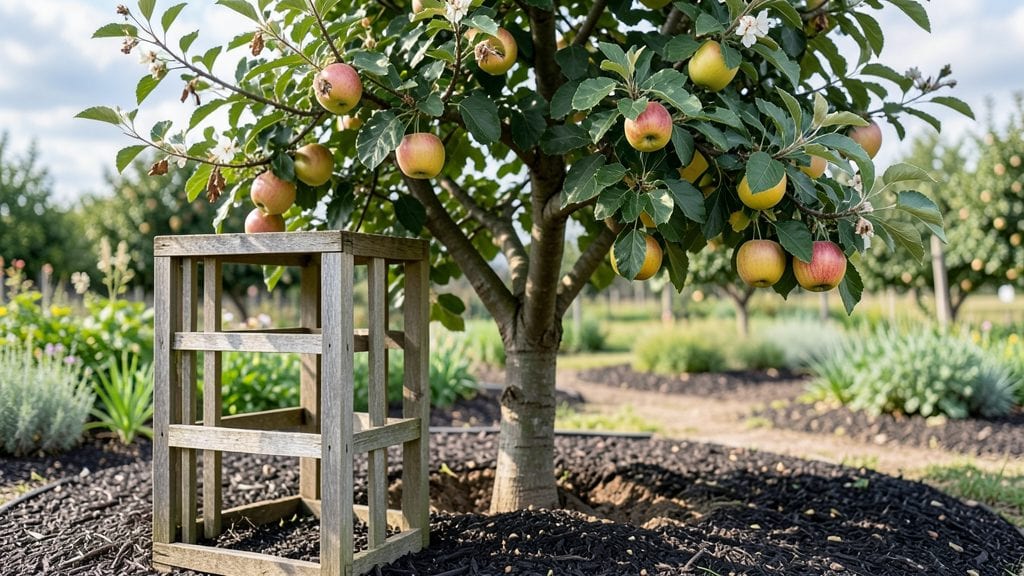
Creating a backyard fruit garden in limited space delivers fresh harvests without requiring acres. 🌿 I designed mine around dwarf varieties and vertical supports, turning a 10x12-foot patio into a productive orchard that produces 50+ pounds of fruit annually.
The key is matching fruit types to sunlight, soil depth, and your local climate—no guesswork needed.
Start with 3-5 high-value fruits like blueberries, dwarf apples, and figs that thrive in containers or small plots. Blueberries need acidic soil, while figs tolerate poor conditions—this diversity spreads risk and rewards. Add trellises for vining fruits like grapes or kiwi, freeing up ground space for bush varieties.
My setup uses 5-gallon pots for citrus and 15-gallon containers for apples, all within reach for easy harvesting.
You’ll enjoy ripe fruit within 2-3 years, with some varieties like strawberries bearing in their first season. The garden stays manageable with seasonal pruning and mulching, while companion plants like herbs deter pests naturally.
Neighbors will ask how you fit so much production into such a small area—here’s how to make it happen.
This approach works for urban yards, small backyards, or even balconies with the right container choices. The same principles apply whether you’re in Zone 5 or 9—adjust varieties to your hardiness zone and you’ll have a reliable fruit source year after year.
📚 In This Guide
- What you need
- Instructions
- Tips and common mistakes
- Wrapping up and next steps
What you need
- ● Garden Space: At least 4–6 hours of direct sunlight daily (more for tropical fruits). Compact spaces? Use containers with drainage holes!
- ● Soil: 1–2 bags of high-quality potting mix (or garden soil amended with compost).
- ○ Optional: Perlite or vermiculite (1 cup) for drainage in containers.
- ● Fruit Plants: Seedlings or bare-root plants (quantity depends on space; e.g., 3–5 dwarf fruit trees or 10+ berry bushes for a small yard).
- ● Popular compact picks: Dwarf apple/peach trees, strawberry/blueberry bushes, or container-friendly citrus.
- ● Planting Supplies: 1 garden trowel or small shovel.
- ● 1 pruning shears (for trimming and harvesting).
- ● 1 watering can (or hose with a gentle spray nozzle).
- ● 1 mulch (straw, wood chips, or shredded leaves; 2–3 inches per plant).
- ● Fertilizer: Slow-release fruit-tree fertilizer or organic options like compost tea or fish emulsion.
- ● Support Structures: Cages or trellises for vining fruits (e.g., grapes, kiwi) or dwarf fruit tree stakes.
- ● Pest Control: Neem oil or row covers for organic protection.
- ● Harvesting Tools: Small pruners and a fruit picker (for high branches).
- ● Containers: 5–15 gallon pots with drainage (for citrus, berries, or dwarf trees).
Instructions for designing your backyard fruit garden in compact spaces
Here's how to maximize flavor and yield in a small footprint—tested over three seasons.
🪴 Step 1: Plan Your Layout for Sunlight and Space Efficiency
Start by mapping your yard's sunlight patterns. Most fruit trees and berry bushes need 6-8 hours of direct sun daily, but dwarfs and columnar varieties thrive in 4-6 hours. I sketch my space on graph paper, marking sun exposure with colored pencils—yellow for full sun, green for partial shade, and blue for shaded areas.
Use vertical space with trellises for vining fruits like grapes or hardy kiwi. Place taller plants on the north side of the garden to avoid shading shorter varieties. For 4 servings, arrange plants in a quadrant system: one corner for stone fruits (peaches, plums), another for berries (blueberries, raspberries), and the remaining space for citrus or pomegranates if your climate allows.
🌱 Step 2: Prepare Soil and Plant with Proper Spacing
Amend your native soil with the 3 gallons of compost and 1 bag of organic matter to improve drainage and fertility. Work these into the top 12 inches of soil, mixing thoroughly. For container growing, use the 4-gallon potting mix in large pots with drainage holes—fruit plants need deep roots, so 18-inch diameter containers work best for dwarfs.
Plant in early spring after the last frost. Dig holes twice as wide as the root ball but no deeper. Place the plant so the graft union (visible bump on the trunk) sits 2-3 inches above soil level. Space dwarfs 8-10 feet apart, while bush varieties like blueberries need 4-5 feet between plants. Water deeply immediately after planting to eliminate air pockets.
☀️ Step 3: Install Support Structures and Mulch
Set up trellises or stakes for vining plants using the 2 wooden posts and 50 feet of wire mesh. For grapes, create a 4-foot tall pyramid trellis—this keeps fruit off the ground and improves air circulation. Secure the mesh tightly to prevent sagging, which can cause disease. I use zip ties to attach vines as they grow, adjusting the angle to encourage upward growth.
Spread the 3 gallons of mulch around each plant, keeping it 3 inches away from the trunk to prevent rot. Mulch retains moisture and regulates soil temperature—critical for fruit production. Replenish mulch annually in late winter. For container plants, add a 2-inch layer of mulch on top of the soil to reduce evaporation.
✂️ Step 4: Prune and Fertilize for Maximum Yield
Prune in late winter or early spring before new growth begins. Remove any dead, diseased, or crossing branches using the bypass pruners. For fruit trees, cut back to an outward-facing bud to encourage fruit production. Shape bushes like blueberries by thinning interior branches to improve airflow—this reduces fungal diseases like powdery mildew.
Apply the 10-10-10 fertilizer in early spring and again after harvest, following package rates. For citrus, use a citrus-specific fertilizer to avoid leaf burn. Water deeply once a week during dry spells, aiming for 1-1.5 inches of water per week. You’ll know you’re on track when the soil feels moist 6 inches down—stick your finger in to check.
🍓 Step 5: Monitor for Pests and Harvest at Peak Ripeness
Inspect plants weekly for signs of pests like aphids or spider mites. Spray with neem oil (mixed as directed) at the first sign of trouble—it’s organic and effective. For birds, drape netting over berry bushes once fruit sets. I’ve found that row covers work well for early-season protection without harming pollinators.
Harvest fruit when it reaches peak ripeness—this varies by variety. Stone fruits soften slightly when ripe, while berries deepen in color and pull easily from the vine. Pick in the morning when temperatures are cooler to preserve flavor. Store harvested fruit in the fridge for up to 2 weeks (longer for berries). You’ll know you’ve succeeded when your neighbors start asking where you buy your produce!
Tips & tricks for perfect backyard fruit garden design
These space-saving secrets will help you transform even the smallest yard into a productive fruit haven.
Sunlight Strategy: The 6-8 hours of direct sun guideline is non-negotiable for most fruit plants, but here's the trick: use a sunlight tracker app to map your yard's exposure throughout the day. I've found that south-facing areas often get more sun than you'd expect—this helps justify placing sun-loving varieties in unexpected spots. For partial shade areas (4-6 hours), prioritize columnar apple varieties or dwarf citrus—they're more forgiving with light variations.
Container Hack: When using 18-inch diameter containers, I always add a 2-inch layer of gravel at the bottom before the 4-gallon potting mix. This creates better drainage and prevents root rot—critical for container-grown fruit plants that can't handle soggy roots. The gravel layer also helps regulate soil temperature, which is especially important in hot climates where containers can overheat.
Pruning Precision: That graft union sitting 2-3 inches above soil level isn't just arbitrary—it's your plant's growth control center. When pruning, always make cuts just above outward-facing buds to encourage fruit production. I use a sharp bypass pruner and make clean cuts at a 45-degree angle to prevent water from pooling on the wound, which can lead to disease. For blueberries, I never remove more than one-third of the plant's growth in a single pruning session to avoid stressing the bush.
Mulch Maintenance: The 3-inch mulch ring around your plants isn't just for show—it's your moisture and temperature regulator. I've found that straw mulch works best because it breaks down slowly and improves soil structure over time. Replenish it annually in late winter before new growth begins, and always keep it 3 inches away from the trunk to prevent rot. For container plants, that 2-inch layer on top makes a surprisingly big difference in moisture retention during hot afternoons.
Pro Tips for Backyard Fruit Garden
- These space-saving secrets will help you transform even the smallest yard into a productive fruit haven.
- Sunlight Strategy: The 6-8 hours of direct sun guideline is non-negotiable for most fruit plants, but here's the trick: use a sunlight tracker app to map your yard's exposure throughout the day.
- Container Hack: When using 18-inch diameter containers, I always add a 2-inch layer of gravel at the bottom before the 4-gallon potting mix.
Frequently asked questions
Got questions about starting your own backyard fruit garden?
Here are some of the most common ones—and their answers—to help you grow with confidence!
What’s the easiest fruit to grow in a small backyard?
Start with strawberries, blueberries, or dwarf apple trees—they’re low-maintenance and thrive in containers or small plots. Strawberries produce fruit in just 6 weeks, while blueberries need acidic soil (use peat moss or pine needles). Dwarf fruit trees (like columnar apples) save space and bear fruit in 2–3 years.
How long does it take for a backyard fruit garden to yield fruit?
Timing varies by fruit:
- Fastest: Strawberries (6–8 weeks), raspberries (1 year), and grapes (1–2 years).
- Moderate: Blueberries (2–3 years), blackberries (2 years).
- Patience needed: Dwarf fruit trees (3–5 years) and figs (2–3 years).
Choose perennial plants for long-term harvests—they’ll reward you for years!
Can I grow fruit in containers if I don’t have a full yard?
Containers work great for strawberries, blueberries, dwarf citrus, and even small apple or peach trees. Use:
- 5-gallon pots for berries and herbs.
- 15+ gallon containers for citrus or dwarf trees.
- Self-watering pots to keep roots happy.
Pro tip: Add compost and drainage holes to prevent root rot.
How do I keep pests and diseases from ruining my fruit?
Prevention is key! Try these tricks:
- Physical barriers: Netting for birds, row covers for insects.
- Natural sprays: Neem oil (fungus/pests), garlic spray (aphids).
- Healthy soil: Mulch with straw to deter weeds and pests.
- Monitor regularly: Check leaves for holes or spots early.
If pests strike, remove affected fruit/leaves and treat promptly.
What’s the best time of year to plant a backyard fruit garden?
Timing depends on your climate and fruit type:
- Cool climates: Plant bare-root trees/shrubs in late fall or early spring (before buds swell).
- Warm climates: Plant in winter or early spring to avoid heat stress.
- Berries (strawberries, raspberries): Plant in early spring or fall for best root establishment.
Pro tip: Check your last frost date—most fruit needs 6–8 weeks of warm weather to fruit.
Wrapping up and next steps
Creating a backyard fruit garden in compact spaces isn’t just possible—it’s a rewarding way to savor fresh, homegrown flavors year after year! 🌱 With the right plants, tools, and care, you can transform even a small patch into a vibrant harvest hub.
Whether you’re a beginner or a seasoned gardener, every ripe berry or juicy peach is a testament to your green thumb.
Ready to take the next step? Start small—pick one or two easy fruits like strawberries or dwarf citrus—and watch your garden grow! 🌟 Happy planting!