Watering
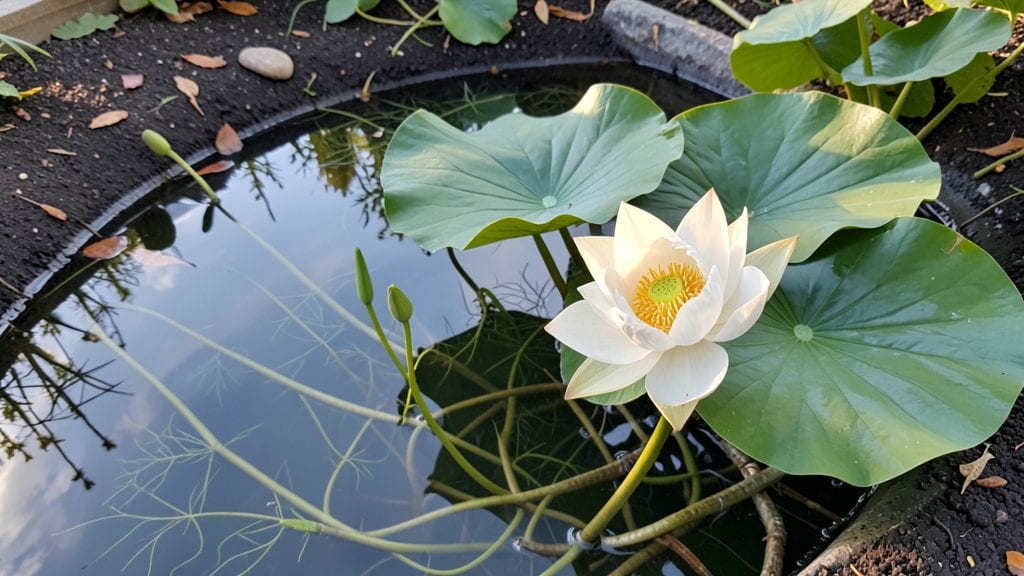
The backyard water garden I designed last spring turned my noisy corner into a place so quiet, I can hear the wind through the reeds. 🌿 It’s not just a pond—it’s a living ecosystem where every ripple attracts dragonflies and the scent of water lilies lingers long after sunset.
The key was blending natural filtration with plants that thrive in shallow water and along the edges, so maintenance stays simple while wildlife thrives.
Start with a shape that fits your space—a kidney-shaped pond feels organic, while a rectangular one works for modern designs. Add a small waterfall or fountain for movement, but keep it shallow enough to wade in if you want.
Marginal plants like cattails and sweet flag handle wet feet, while water lilies float just above the surface to shade the water naturally. In warmer climates, lotus adds drama, but in cooler zones, hardy irises or rushes do the job just as well.
By summer’s end, you’ll have a space that hums with life—frogs croaking at dusk, butterflies sipping nectar, and the water so clear you’ll spot koi darting beneath the surface. The best part?
The plants clean the water themselves, so you’re not stuck with chemicals or endless cleaning. Even a small setup can make a big difference in your yard’s tranquility.
Works in any yard size, from a cozy 4-by-6-foot basin to a sprawling half-acre wetland. The only rule? Let nature take the lead—your water garden will reward you with beauty you didn’t even plan for.
📚 In This Guide
- What you need
- Instructions
- Tips and common mistakes
- Wrapping up and next steps
What you need
- ● Water Feature: Pond liner (EPDM rubber, 45-mil thickness, sized to your pond dimensions)
- ● Pond underlayment (geotextile fabric, 1 roll for 20 sq ft coverage)
- ● Filtration System: UV clarifier (for algae control, 15W–30W)
- ● Biological filter media (e.g., lava rock or ceramic rings, 5–10 lbs)
- ● Pump (submersible or external, 500–1,500 GPH based on pond size)
- ● Plumbing & Hardware: PVC pipes (½"–¾" diameter, 10–20 ft length)
- ● Flexible tubing (½" diameter, 20–50 ft)
- ● Fittings (adapters, elbows, T-joints, 5–10 pieces)
- ● Waterproof sealant (silicone-based)
- ● Water Source & Safety: Hose with nozzle (for filling)
- ● Non-toxic pond sealant (for liner edges)
- ● Safety cover (if children/pets are around)
- ● Aesthetic Touches: Decorative rocks or boulders (for natural edges)
- ● Water plants (oxygenators like hornwort, lilies, or floating plants)
- ● LED pond lights (solar-powered or battery-operated)
- ● Fountains or waterfalls (add-on kits for movement)
- ● Wildlife Haven: Floating logs or bridges (for amphibians)
- ● Shallow areas (<2" deep) for dragonflies/mosquito dunks
- ● Maintenance: Pond net (for debris removal)
- ● Water test kit (pH, ammonia, nitrites)
- ● Barley straw (natural algae inhibitor)
Step-by-step instructions for designing your backyard water garden
Let's create a tranquil water feature that attracts wildlife and filters naturally—no fancy equipment needed.
🪴 Step 1: Choose and Prepare the Perfect Location
Pick a spot with 4-6 hours of sunlight daily and level ground. Avoid low areas where water pools after rain—you want good drainage but not soggy soil. I like to place mine near a patio or deck so I can enjoy the sound while relaxing. Test the site by placing a 5-gallon bucket where the pond will go and mark the edges with stakes.
Clear away grass and weeds within the marked area, digging down 6-8 inches to create a stable base. For a 4-foot diameter pond, you'll need to remove about 1 cubic foot of soil. This prevents future sinking or uneven edges. If your yard has clay soil, add a 2-inch layer of coarse sand to improve drainage before moving to the next step.
💧 Step 2: Line the Pond with a Natural Barrier
For a serene, wildlife-friendly design, skip rigid liners and use pond underlayment fabric instead. This flexible material prevents leaks while allowing roots to grow through naturally. Cut a piece 12 inches larger than your pond's diameter to ensure full coverage with overlap on the edges.
Lay the fabric flat in the prepared hole, smoothing out wrinkles as you go. The edges should extend 6 inches up the sides of the pond to prevent erosion. If you're adding plants like water lilies later, press the fabric firmly into the soil at the deepest points—this keeps roots contained without restricting growth.
☀️ Step 3: Add Water and Install Natural Filtration
Fill the pond slowly with dechlorinated water (let tap water sit for 24 hours or use a water conditioner) until it reaches 12-18 inches deep. Start shallow in one corner and let it flow naturally to avoid disturbing the fabric. You'll need about 150 gallons for a 4-foot diameter pond. Add a few flat stones around the edges to create a gradual slope for wildlife entry.
For natural filtration, place 3-4 large smooth rocks (about 6-8 inches in diameter) in the deepest section. These create micro-habitats for beneficial bacteria and small creatures like snails and dragonfly nymphs. Avoid sharp rocks—they can tear the fabric or harm wildlife. Add a small waterfall feature (like a bamboo spout) if you want movement, but keep it subtle to maintain tranquility.
🌿 Step 4: Plant Aquatic and Marginal Species
Start with oxygenating plants like hornwort or waterweed—these keep the water clean and provide habitat. Drop small bunches into the 12-18 inch deep sections where they’ll get 4-6 hours of sun. Next, add marginal plants (like pickerelweed or cattails) around the edges where the water is 3-6 inches deep. These thrive in moist soil and add texture to your design.
For a finishing touch, place 3-5 floating plants (like water lilies or duckweed) on the surface. These shade the water, discourage algae, and attract butterflies. Space them evenly so they don’t overcrowd—each plant needs about 1 square foot of surface area. Avoid overplanting; too many roots can clog the fabric over time.
⏰ Step 5: Maintain Balance and Encourage Wildlife
Check the water level weekly and top off with dechlorinated water as needed—evaporation is your biggest enemy in a natural system. Remove any fallen leaves or debris immediately to prevent stagnation. Once established, your pond should need minimal intervention—just occasional trimming of overgrown plants in late fall.
To attract wildlife, add a small log or flat rock near the edge for sunning turtles or frogs. Dragonflies will hunt mosquitoes here, and birds will drink from the shallow areas. Avoid fish unless you're prepared for their waste—stick to plants and invertebrates for the easiest, most balanced ecosystem. Within 4-6 weeks, your pond will feel like a thriving mini-ecosystem.
Tips & tricks for perfect backyard water garden design
A few simple strategies will help you create a thriving, low-maintenance water feature that looks stunning and supports local wildlife.
Sunlight and Depth Balance: The 4-6 hours of sunlight your pond needs is perfect for most aquatic plants, but pay attention to depth variations. Shallow areas (3-6 inches) near the edges will get more intense light, while deeper sections (12-18 inches) create cooler microhabitats. This natural gradient supports different plant species and wildlife—like dragonfly nymphs that prefer deeper water. I've seen bluegill sunfish use these depth variations to regulate their body temperature!
Fabric Installation Secret: When laying the pond underlayment fabric in Step 2, take extra time to smooth out all wrinkles completely. I learned this the hard way after seeing a small wrinkle turn into a leak point over time. Press the fabric firmly into the soil at the deepest points where plant roots will grow—this prevents future bulging. For extra security, you can even staple the fabric edges to the soil using landscape staples.
Water Quality Shortcut: The 24-hour dechlorination period for tap water is crucial, but here's a pro tip: use a water conditioner specifically designed for ponds. These products neutralize chlorine and heavy metals instantly, so you can fill your pond in just a few hours instead of waiting a full day. Just follow the product instructions for the right dosage based on your 150-gallon volume.
Wildlife-Friendly Additions: Optional but wonderful: add a few smooth river rocks (about 4-6 inches) around the pond's perimeter to create additional sunning spots. These become perfect perches for frogs and toads, and they also help prevent erosion from rain. I've noticed that adding these rocks encourages more dragonflies to visit—nature's mosquito control team!
Pro Tips for Backyard Water Garden
- A few simple strategies will help you create a thriving, low-maintenance water feature that looks stunning and supports local wildlife.
- Sunlight and Depth Balance: The 4-6 hours of sunlight your pond needs is perfect for most aquatic plants, but pay attention to depth variations.
- Fabric Installation Secret: When laying the pond underlayment fabric in Step 2, take extra time to smooth out all wrinkles completely.
Frequently asked questions
Got questions about creating your own backyard water garden?
Here are some of the most common ones—and their answers—to help you dive in with confidence!
How much sunlight does a water garden need?
A water garden thrives with 4–6 hours of direct sunlight daily. Too little sunlight can lead to algae blooms, while too much may dry out marginal plants. If your space is shady, opt for hardy plants like Hosta or Fern and consider a small pump for circulation. Partial shade works too—just balance it with aquatic plants that tolerate lower light.
What’s the best way to keep my water garden clean without chemicals?
Natural filtration is key! Use a combination of plants, beneficial bacteria, and mechanical filters. Plant oxygenators like Hornwort or Anacharis to absorb excess nutrients, add a UV clarifier for algae control, and install a biofilter or gravel bed to trap debris. Regular maintenance—like removing dead leaves—keeps it pristine.
Can I build a water garden in a small space, like a balcony or patio?
Container water gardens
are perfect for tight spaces. Use pre-formed ponds, half-barrels, or even decorative bowls with liners. Just ensure they’re at least 12–18 inches deep to support fish or aquatic plants. Add a small pump for circulation, and you’ve got a mini oasis!
What’s the cheapest way to start a water garden?
Skip the fancy setups and focus on DIY solutions! Use a plastic kiddie pool or old bathtub as a base, line it with a pond liner (or even a heavy-duty trash bag in a pinch), and fill it with water from a hose. Add free or low-cost plants like Water Hyacinth (check local regulations—it’s invasive in some areas) or Duckweed for natural filtration. A $20–$30 pump keeps it moving!
How do I prevent mosquitoes in my water garden?
Mosquitoes love stagnant water, but your garden can stay bit-free with these tips:
- Add fish: Goldfish, Koi, or Gambusia (mosquito fish) eat larvae.
- Use moving water: A fountain or waterfall disrupts mosquito breeding.
- Plant strategically: Water lilies shade the surface, blocking sunlight (larvae need it to hatch).
- Empty containers: Remove any standing water nearby, like saucers or clogged drains.
With these steps, your garden stays serene—and so do you!
Wrapping up and next steps
Creating a backyard water garden is more than just a design project—it’s an investment in tranquility, sustainability, and wildlife support. With the right materials, natural filtration, and a touch of creativity, you can transform a corner of your yard into a serene oasis that thrives year-round. 🌿
Ready to dive in? Start small—sketch your design, gather supplies, and take the first step toward crafting your own peaceful retreat. Before you know it, you’ll be enjoying the soothing sounds of water and the beauty of nature right outside your door!