
Vegetables
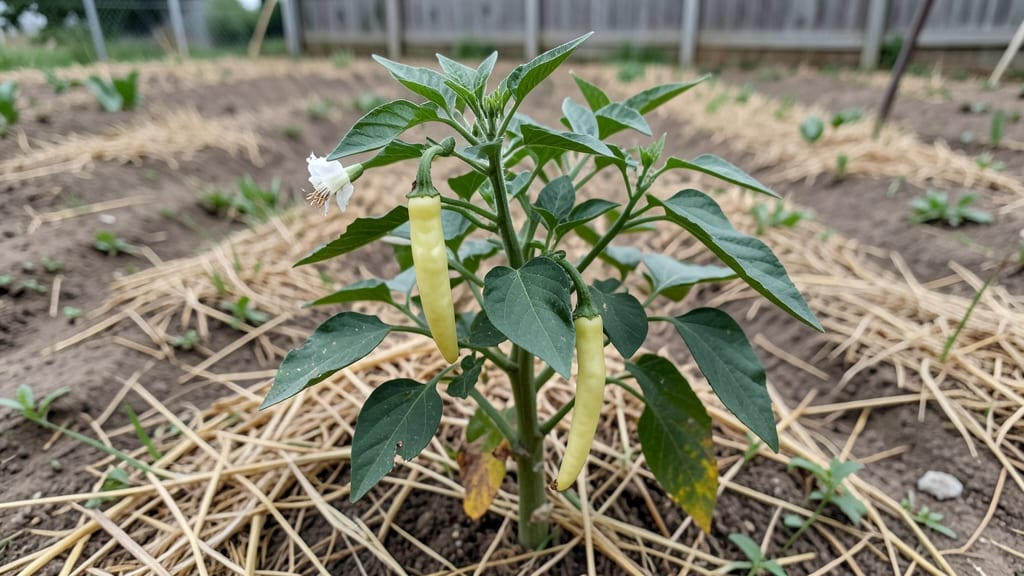
Growing banana peppers in your garden delivers a year-round supply of crisp, tangy peppers that outshine store-bought varieties. 🌱 I’ve grown them in containers, raised beds, and even small backyard plots—each time, the harvest surprises me with its abundance and ease.
The secret isn’t complicated: these peppers thrive in warm soil, need just the right amount of sun, and reward patience with a bounty that keeps coming back.
Start with well-draining soil mixed with compost to give roots a nutrient-rich foundation. Banana peppers love warmth, so wait until after the last frost to plant, or start seeds indoors 8-10 weeks before your average last spring frost date.
A spot with at least 6-8 hours of sunlight daily keeps them productive, and consistent watering—about 1 inch per week—prevents blossom-end rot, a common issue for beginners.
You’ll notice the first peppers forming within 60-70 days of planting, and with proper care, a single plant can yield 20-30 peppers over the season. The flavor mellows as they ripen, giving you options from mild to slightly sweet—perfect for pickling, stuffing, or fresh snacking.
Prune regularly to encourage bushier growth and more fruit, and watch as your garden becomes a pepper-producing powerhouse.
Even in cooler climates, you can extend the season by planting in containers and bringing them indoors before frost. Mulch helps retain soil warmth, and a light fertilizer every 4-6 weeks keeps plants vigorous.
With these simple steps, you’ll enjoy a harvest that rivals commercial crops—without the space or cost of a full garden plot.
📚 In This Guide
- What you need
- Instructions
- Tips and common mistakes
- Wrapping up and next steps
What you need
- ● Banana pepper seeds or seedlings: Choose disease-resistant varieties like ‘Early Jolt’ or ‘Banana Piquin’ (6–10 plants for a small harvest).
- ● Containers or garden beds: Containers: 5–10 gallon pots with drainage holes (1–2 plants per container).
- ● Garden beds: Well-draining soil, 12–18 inches deep (space plants 12–18 inches apart).
- ● High-quality potting mix: Lightweight, well-draining blend (avoid heavy garden soil).
- ○ Organic compost: 1–2 cups per plant to enrich soil (optional but recommended).
- ● Fertilizer: Balanced 10-10-10 or tomato/vegetable-specific fertilizer (follow package rates).
- ● Watering can or hose with a gentle nozzle: Peppers hate soggy roots!
- ○ Stakes or cages (optional but helpful): 3–4 ft tall for support as plants grow.
- ● Sunlight: 6+ hours of full sun daily (partial shade in hot climates can help).
- ● Warmth: Banana peppers thrive in temperatures between 65–85°F (55°F minimum). Use a greenhouse or indoor grow lights if starting early.
- ● pH-balanced soil: Aim for a pH of 6.0–6.8 (test kits available at garden centers).
- ● Patience: Germination takes 7–14 days; harvest begins in 70–90 days!
- ● Add mulch (straw or shredded leaves) to retain moisture and regulate soil temperature.
- ● Use row covers in early spring/fall to extend the growing season.
- ● Prune plants lightly to encourage bushier growth and more peppers!
Step-by-step instructions for growing a thriving banana pepper garden
Here's how to grow sweet, prolific banana peppers in small spaces—no greenhouse needed.
🌱 Step 1: Choose Containers and Fill With Drainage-Friendly Mix
Banana peppers love warmth and hate soggy roots, so pick containers with drainage holes—5-gallon buckets work perfectly for 4 plants. I use a mix of 50% potting soil and 50% coconut coir for extra aeration. Fill each pot to 1 inch below the rim, leaving room for watering.
Tap the pot gently to settle the mix without compacting it. The soil should feel like a damp sponge—not wet enough to drip, but not dry enough to crumble. Add a handful of compost to each pot for nutrients. This ensures your peppers get a strong start without overloading them with fertilizer too soon.
☀️ Step 2: Plant Seeds or Transplants at the Right Depth
If starting from seed, sow 2 seeds per pot at ¼ inch deep. Cover lightly with soil and mist until damp. Seeds germinate best at 70-80°F, so place pots in a warm spot like on top of the fridge. You'll see sprouts in 7-14 days—don't give up if it takes longer.
For transplants, dig a hole twice as wide as the root ball and place the plant so the top of the roots sits ½ inch below soil level. Firm soil around the base gently to eliminate air pockets. Water deeply right after planting to help roots settle. This prevents transplant shock and encourages faster establishment.
💧 Step 3: Water Consistently and Monitor Soil Moisture
Keep soil evenly moist but never soggy—banana peppers wilt quickly when thirsty. Water when the top inch feels dry, usually every 2-3 days in warm weather. I use a moisture meter to check; if it reads dry at 1 inch, it's time to water.
Water at the base to avoid wetting leaves, which can cause disease. Mulch with 1 inch of straw to retain moisture and keep roots cool. Overwatering is the #1 killer of banana peppers—yellowing leaves mean you're watering too much. Adjust your schedule based on weather; hot days mean more frequent watering.
✂️ Step 4: Prune and Support for Maximum Yield
Pinch off the first few flowers to encourage bushier growth. Once established, prune side shoots to 3-4 leaves to redirect energy to fruit production. I tie main stems to a 6-foot bamboo stake as they grow—banana peppers can get top-heavy.
Remove any yellow or diseased leaves immediately. Harvest peppers when they're 3-4 inches long for the sweetest flavor. Regular harvesting encourages more production. If peppers turn red, you've left them too long—banana peppers are best picked young and green.
🪴 Step 5: Overwinter Plants for Year-Round Harvests
When temperatures drop below 50°F, move pots indoors near a south-facing window or under grow lights. Reduce watering to once a week since growth slows. I wrap pots in bubble wrap to protect roots from cold drafts.
In late winter, trim back leggy growth and fertilize lightly with ½ teaspoon fish emulsion per gallon of water. Return plants outdoors after the last frost. This keeps your garden productive through all seasons with minimal effort.
Tips & tricks for perfect banana pepper growth
Small spaces shouldn't limit your pepper harvest—these tricks will help you grow sweet, prolific banana peppers all year round with minimal effort.
Container Selection: While 5-gallon buckets work perfectly, you can also use fabric grow bags or large plastic pots with drainage. The key is containers that are at least 12 inches deep to accommodate root growth. I've found that black containers absorb more heat, which can be beneficial for banana peppers that love warmth. Just make sure they have drainage holes to prevent root rot—the #1 enemy of healthy plants.
Germination Boost: If you're starting from seeds, place a clear plastic bag over the pots after sowing to create a mini greenhouse effect. This helps maintain the ideal 70-80°F temperature range for germination. Remove the bag once sprouts appear to prevent mold. For faster results, consider using a seedling heat mat set to 75°F—it can cut your germination time by nearly half. Trust me on this, it's worth the small investment.
Soil Mix Secrets: The 50/50 mix of potting soil and coconut coir is perfect, but you can enhance it further by adding perlite or vermiculite for even better drainage. I like to mix in a handful of worm castings instead of regular compost—they provide gentle, balanced nutrients without burning tender pepper roots. This upgrade makes a noticeable difference in plant vigor and fruit production.
Overwintering Strategy: When moving plants indoors below 50°F, place them near a south-facing window where they'll get at least 6 hours of sunlight daily. If natural light is insufficient, supplement with a basic LED grow light for 12-14 hours. I've had great success with simple clip-on lights that cost under $20. Remember to keep the lights 6-12 inches above the plants to prevent leaf burn.
Pro Tips for Banana Peppers Garden
- Small spaces shouldn't limit your pepper harvest—these tricks will help you grow sweet, prolific banana peppers all year round with minimal effort.
- Container Selection: While 5-gallon buckets work perfectly, you can also use fabric grow bags or large plastic pots with drainage.
- Germination Boost: If you're starting from seeds, place a clear plastic bag over the pots after sowing to create a mini greenhouse effect.
Frequently asked questions
Got questions about growing banana peppers in your garden? You’re not alone! Here are some of the most common queries—plus quick, actionable answers to help you cultivate a thriving harvest.
How long does it take for banana peppers to grow from seed?
Banana peppers typically take 70–90 days to mature from seed, depending on the variety and growing conditions. If you start with transplants (available at nurseries), you’ll see peppers in 60–70 days. Patience is key—consistent warmth and sunlight speed up the process!
Can banana peppers survive winter in the ground?
In USDA Zones 8–11, banana peppers can overwinter in the ground with mulch protection. For colder climates (Zones 3–7), grow them as annuals or move pots indoors before frost. If you’re in a mild zone, prune back plants in late fall to encourage new growth in spring.
What can I do if my banana peppers turn bitter?
Bitterness often stems from over-maturity or stress (like heat or drought). Harvest peppers when they’re 3–5 inches long and bright yellow for the best flavor. To prevent bitterness, ensure consistent watering (1–1.5 inches per week) and shade plants during extreme heat. Pro tip: Prune lower leaves to improve airflow!
Are banana peppers easy to grow in containers?
Banana peppers thrive in 5-gallon containers or larger with well-draining soil. Use a pot with drainage holes and place it in a spot that gets 6–8 hours of sunlight daily. Since they’re compact, they’re perfect for balconies, patios, or small gardens. Just fertilize every 4–6 weeks with a balanced veggie feed.
What can I substitute if I can’t find banana peppers?
If you’re craving that mild, tangy kick, try shishito peppers, poblano peppers (when young), or even jalapeños (remove seeds for milder heat). For a non-spicy swap, yellow wax peppers or bell peppers (harvested early) work well. Need a non-pepper option? Lemon cucumbers or green tomatoes add a bright, fresh flavor to dishes!
Wrapping up and next steps
Growing banana peppers in your garden is a rewarding way to enjoy fresh, flavorful harvests with minimal space—whether you’re a seasoned gardener or just starting out! 🌱 These versatile peppers thrive in containers, raised beds, or small plots, offering year-round yields when cared for properly.
Plus, their crisp, tangy kick adds excitement to everything from salsas to pickled snacks.
Ready to dive in? Start small—plant a few seeds or seedlings this week, and soon you’ll be reaping the benefits of your green thumb! 🌟 For even more success, experiment with companion planting or preserving your harvest to enjoy the flavors all year long.