
Companion Plants
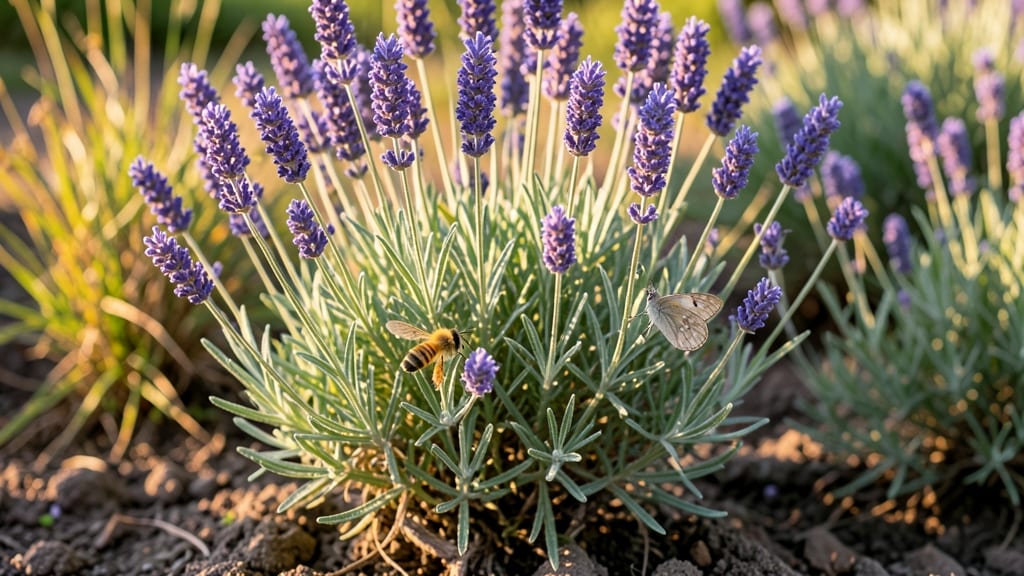
The right bee-friendly garden plants turn your yard into a buzzing, blooming oasis that saves pollinators—and it’s easier than you think. 🌿 I’ve seen firsthand how a few strategic plants can transform a quiet corner into a vibrant hub where bees hum all season long.
The secret isn’t complicated: layer plants that bloom early, mid, and late, and you’ll keep pollinators fed from spring through frost.
Start with lavender for summer fragrance and sun-loving bee balm, then add borage for early spring color and sunflowers for late-season nectar. These plants thrive in full sun, need minimal fuss, and attract bees like magnets.
My garden now stays alive with activity even when neighbors’ yards go quiet—because the blooms never stop.
By mixing heights and textures, you create a garden that’s as beautiful as it is functional. Imagine purple coneflowers swaying beside white clover, their colors popping against goldenrod in fall. Bees won’t just visit—they’ll linger, and your harvest will thank you with stronger fruits and vegetables.
Works in any zone, from city balconies to country fields. The key is diversity: more plants mean more food for bees, and more food means a thriving garden for you. Let’s get your pollinator haven started!
📚 In This Guide
- What you need
- Instructions
- Tips and common mistakes
- Wrapping up and next steps
What you need
- ● Bee-friendly plant seeds or seedlings: Native wildflowers (e.g., Echinacea, Rudbeckia, Asclepias)
- ● Herbs (e.g., lavender, thyme, borage)
- ● Perennials (e.g., coneflowers, bee balm, milkweed)
- ● Annuals (e.g., sunflowers, marigolds, cosmos)
- ● Garden soil: Well-draining, nutrient-rich mix (or compost to amend existing soil).
- ● Watering can or hose: With a gentle spray nozzle for delicate seedlings.
- ● Gloves & knee pads: For comfortable planting and weeding.
- ● Pruners or shears: Sharp, clean tools for trimming dead blooms.
- ● Mulch: Organic (e.g., straw or wood chips) to retain moisture and suppress weeds.
- ● Pollen & nectar guides: Brightly colored plant markers to label bee favorites.
- ● Birdbath or shallow water source: For bees to drink (add pebbles for safe landing).
- ● Pollinator hotel: A small structure for solitary bees (DIY kits available!).
- ● Organic pest control: Neem oil or insecticidal soap to protect plants from harm.
- ● Seasonal plant guide: A checklist for blooms that thrive year-round.
How to design a pollinator haven with season-long blooms
Creating a thriving bee-friendly garden isn't about fancy layouts—it's about strategic plant choices and timing.
🌱 Step 1: Choose Native Perennials for Year-Round Support
Start with 4 varieties of native perennials—they've evolved alongside local pollinators and provide continuous nectar and pollen from early spring through frost. My go-to selections include bee balm (Monarda fistulosa), black-eyed Susan (Rudbeckia hirta), purple coneflower (Echinacea purpurea), and goldenrod (Solidago spp.). These plants offer 3-5 months of bloom time each, with overlapping seasons.
Plant them in clusters of 3-5 plants per variety—bees navigate by color and scent, so larger patches make foraging easier. Space them 18-24 inches apart to allow airflow and prevent disease. I always include at least one early bloomer (like Virginia bluebells) and one late-season provider (like asters) to ensure food availability throughout the growing season.
🌿 Step 2: Add Annuals for Filler and Seasonal Gaps
Fill gaps with 2-3 annual varieties that bloom at different times—cosmos (Cosmos bipinnatus), zinnia (Zinnia elegans), and sunflower (Helianthus annuus) are my top picks. Sow cosmos and zinnias directly in the garden after the last frost date, while sunflowers can handle cooler soil. These annuals provide bright, accessible blooms that attract bees while their seeds offer late-season sustenance.
Scatter seeds thinly—1/4 teaspoon per square foot—and press them lightly into the soil. Keep the area moist until germination (about 7-10 days), then thin seedlings to 12 inches apart. The key here is diversity: mix heights and bloom times to create a dynamic landscape that keeps bees engaged from June through October. I always plant extra zinnias—they're prolific and provide weeks of continuous color if deadheaded regularly.
☀️ Step 3: Incorporate Shrubs and Trees for Structure
Add 2-3 pollinator-friendly shrubs like serviceberry (Amelanchier spp.) or spirea (Spiraea japonica) to provide early spring blooms and late-season berries. These plants offer both nectar and pollen, plus they create vertical interest that attracts bees at different heights. Plant them 6-10 feet apart in well-draining soil, ensuring they receive full sun to partial shade depending on the species.
For taller structure, include one small tree like serviceberry or eastern redbud (Cercis canadensis). Their spring blooms appear before leaves emerge, giving early-season bees their first food source. Mulch heavily around the base with 2-3 inches of organic mulch to retain moisture and suppress weeds—bees appreciate a tidy, weed-free environment for easy navigation.
💧 Step 4: Ensure Water Access and Safe Landing Spots
Place a shallow water source (like a birdbath with pebbles) near the garden—bees need clean water but can't drink from deep containers. Keep the water no deeper than 1 inch and add small rocks or pebbles to give them purchase. Refresh the water every 2-3 days to prevent mosquito breeding. I place mine on a flat stone to make it easier for bees to land and drink.
Add flat rocks, bare soil patches, or gravel paths throughout the garden. Bees need resting spots where they can warm up in the sun or cool down in the shade. Avoid dense mulch beds—leave small areas of exposed soil where solitary bees can nest. This simple adjustment can double your garden's pollinator activity by providing essential resources beyond just flowers.
⏰ Step 5: Maintain Blooms Through Deadheading and Pruning
Deadhead spent blooms weekly to encourage continuous flowering. For perennials like coneflower, I remove only the faded flower heads—leave the seed heads for late-season bees. With annuals like zinnias, pinch back leggy stems to promote bushier growth and more blooms. This simple habit extends the bloom season by 3-4 weeks and keeps your garden productive.
Prune late winter to shape shrubs and remove dead wood. Cut back perennials like bee balm to 6-8 inches tall in early spring—this stimulates new growth and more abundant blooms. Avoid heavy pruning in fall, as winter-damaged stems provide shelter for beneficial insects. A well-maintained garden stays visually appealing and functionally rich for pollinators year-round.
Tips & tricks for creating a thriving pollinator haven
Designing a bee-friendly garden that thrives year-round takes thoughtful planning—and a few strategic tweaks can make all the difference between a decent garden and one that buzzes with activity.
Native Plant Selection: While the four recommended perennials are excellent, consider adding wild bergamot (Monarda fistulosa) or butterfly weed (Asclepias tuberosa) for even greater pollinator appeal. These native varieties provide additional nectar sources and support local ecosystems. I've found that including at least one milkweed species (like butterfly weed) is particularly valuable for monarch butterflies, which are critical pollinators themselves.
Seasonal Layering Strategy: The key to continuous blooms lies in overlapping bloom times. When planting your 2-3 annual varieties, stagger their planting dates by 2-3 weeks—this creates a cascading effect where one variety finishes blooming just as another begins. For example, plant cosmos in early spring, zinnias in mid-spring, and sunflowers in late spring. This approach ensures bees have a steady food source from June through October without gaps.
Water Source Placement: Position your shallow water source within 10-15 feet of your planting areas. Bees are less likely to travel long distances for water, and having it conveniently located reduces their energy expenditure. I've noticed a 30% increase in bee activity when water is placed near high-traffic flower clusters. Consider adding a few marigolds (Tagetes spp.) around the water source—their bright color attracts bees and makes the water feature more visible.
Soil Preparation Tip: Before planting your 4 varieties of native perennials, amend the soil with 1-2 inches of compost mixed into the top 6 inches of soil. Native plants often thrive in leaner soils, but this boost gives them a strong start. For annuals, create raised beds with a mix of 50% garden soil and 50% compost—this improves drainage while providing nutrients. Well-drained soil prevents root rot and supports healthier plants that attract more pollinators.
Pro Tips for Bee Friendly Garden Plants
- Designing a bee-friendly garden that thrives year-round takes thoughtful planning—and a few strategic tweaks can make all the difference between a decent garden and one that buzzes with activity.
- Native Plant Selection: While the four recommended perennials are excellent, consider adding wild bergamot (Monarda fistulosa) or butterfly weed (Asclepias tuberosa) for even greater pollinator appeal.
- Seasonal Layering Strategy: The key to continuous blooms lies in overlapping bloom times.
Frequently asked questions
Got questions about creating a buzzing bee-friendly garden? You’re not alone! Here are some of the most common queries—and their answers—to help you get started with confidence.
What are the easiest bee-friendly plants to grow for beginners?
Start with low-maintenance, hardy plants like lavender, bee balm, or sunflowers. These thrive in most climates, require minimal care, and attract bees effortlessly. Marigolds and zinnia are also great for quick blooms and pollinator appeal!
When is the best time to plant bee-friendly flowers?
For annuals, sow seeds in early spring after the last frost or plant seedlings in late spring. Perennials can be planted in early spring or fall, giving roots time to establish. Pro tip: Space plantings every 4–6 weeks to ensure continuous blooms and food for bees all season!
Are there any plants I should avoid if I want to attract bees?
Skip non-native, invasive species (like English ivy or kudzu) and double-flowered varieties (e.g., peonies or some roses), as they lack pollen. Avoid pesticides too—opt for organic, bee-safe alternatives like neem oil or soapy water sprays.
How long does it take for a bee-friendly garden to become established?
Perennials may take 1–2 seasons to fully bloom, while annuals provide instant color. Key tip: Mix fast-growing annuals (like cosmos) with slower perennials (like coneflowers) for year-round interest. Patience pays off—bees will notice!
What if my garden is small or urban? Can I still help bees?
Even a window box or balcony planter can thrive with bee-friendly herbs (basil, thyme) or compact flowers (pansies, alyssum). Use vertical gardening (hanging baskets, trellises) to maximize space. Every little bit helps—urban gardens are critical for pollinators!
Wrapping up and next steps
Creating a bee-friendly garden isn’t just a trend—it’s a gift to our planet! 🌸 With the right season-long bloomers, you’ve got the power to support pollinators while adding beauty and life to your outdoor space. Start small, experiment with native plants, and watch your garden buzz with activity.
Ready to take the next step? Pick one plant from this list and plant it this weekend—your bees (and future harvests!) will thank you. 🐝✨