
Tools
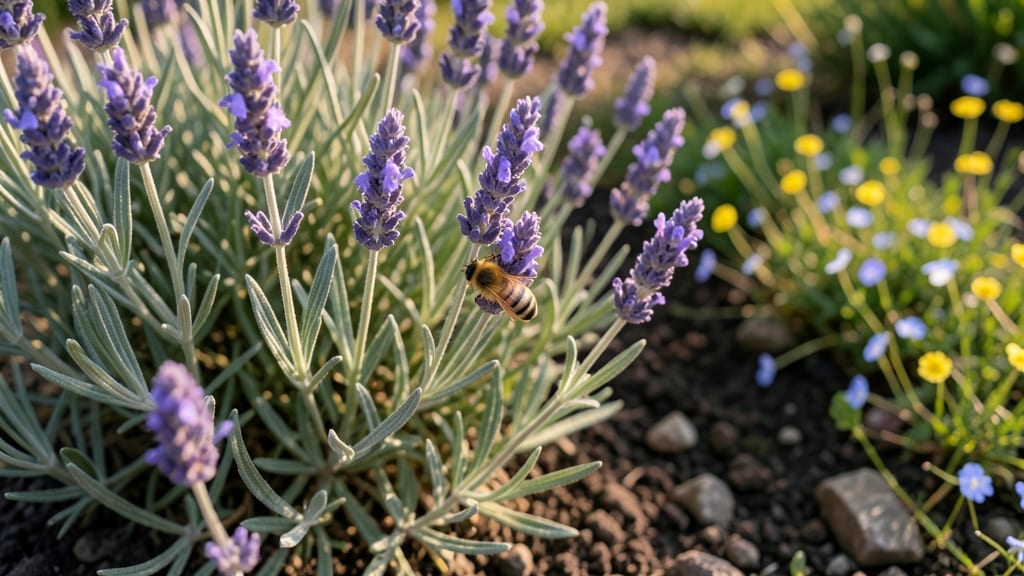
A bee-friendly garden isn't just about flowers—it's about creating a thriving ecosystem where pollinators can feed, nest, and survive through every season. 🌿 I learned the hard way that a single patch of clover won't cut it; bees need a continuous buffet of native plants, water sources, and safe shelter to truly flourish.
My first attempt failed when I planted ornamental flowers instead of bee magnets like milkweed and goldenrod.
The key is simplicity: cluster plants in groups of three or more so bees can efficiently forage, and include a mix of early, mid, and late-season bloomers to keep them fed year-round. You don't need a sprawling property—even a small balcony with a few pots can make a difference.
I transformed my 50-square-foot patio into a buzzing hub by adding bee balm, lavender, and a shallow dish of water with pebbles for safe drinking.
What you'll get is more than just happy bees—your garden becomes shockingly lush and productive, with better fruit set on your tomatoes and peppers. The air hums with activity, and you'll notice other pollinators like butterflies and hummingbirds moving in too.
The best part? You're doing your part for the environment without any extra effort beyond thoughtful plant choices.
This works for any climate and space, from urban yards to rural fields. The only mistake I see new gardeners make is overcomplicating it—start small, observe what the bees prefer, and expand from there. Your garden will thank you with vibrant blooms and a symphony of wings year after year.
📚 In This Guide
- What you need
- Instructions
- Tips and common mistakes
- Wrapping up and next steps
What you need
- ● Native flowering plants: Choose 3–5 species (e.g., bee balm, lavender, coneflowers, milkweed) for year-round blooms. (Aim for 3–5 plants per type for optimal coverage.)
- ● Pollinator-friendly seeds: Fast-growing varieties like borage, sunflowers, or clover (1–2 lbs per 100 sq. ft.).
- ● Well-draining soil: Test your soil’s pH (ideal: 6.0–7.0) and amend with compost (2–3 inches mixed into topsoil).
- ● Water source: A shallow dish (6–8 inches wide) with pebbles or a bee waterer (refill every 2–3 days).
- ● Pesticide-free zone: Skip synthetic chemicals—opt for neem oil or soapy water for pests.
- ● Hand trowel (for transplanting seedlings).
- ● Pruners (sharp, clean pair for trimming dead blooms).
- ● Garden gloves (to protect hands from thorns or sap).
- ● Measuring tape (to space plants 12–24 inches apart).
- ○ Optional: Bee hotel (for solitary bees) or log slices with drilled holes (½-inch diameter).
- ● 🌡️ Plant in layers: Tall flowers (e.g., sunflowers) at the back, mid-height (e.g., lavender) in the middle, and low-growing (e.g., creeping thyme) up front.
- ● ✨ Leave some "wild" areas: Avoid mowing lawns too short—dandelions and clover are bee magnets!
- ● 📊 Seasonal swap: Plant spring bulbs (crocus), summer annuals (zinnia), and fall asters for continuous blooms.
How to create a year-round pollinator haven
Here’s how to transform your garden into a buzzing paradise—no fancy tools or rare plants required.
🌱 Step 1: Plant a Seasonal Flower Buffet
Start with native wildflowers like bee balm and coneflowers—they’re the bee equivalent of an all-you-can-eat buffet. Plant early bloomers like crocus in February to break winter’s monotony, then follow with spring bulbs (tulips, daffodils) and summer perennials (black-eyed Susans, lavender). I always include fall asters and goldenrod to keep bees fed as temperatures drop.
Space plants 12-18 inches apart to ensure easy access. Bees prefer flat, open flowers (like sunflowers) over tightly packed blooms. Avoid hybridized double flowers—they’re often sterile and offer no pollen. Stick to single-petal varieties for maximum impact.
☀️ Step 2: Provide Sun and Water Access
Bees need at least 6 hours of sunlight daily, so place flowers in south-facing beds or near windowsills. If your yard has shady spots, opt for shade-tolerant pollinator plants like foxglove or columbine. I’ve seen bumblebees happily forage under 30% shade if flowers are abundant.
Add a shallow water source—a 6-inch-wide dish filled with pebbles and 1 inch of water works perfectly. Bees can’t swim, so the pebbles give them a safe landing spot. Refresh the water every 2-3 days to prevent mosquito breeding. Place it near flowers but out of direct wind.
🪴 Step 3: Build Nesting Sites and Shelter
Leave bare patches of soil in sunny spots—ground-nesting bees like mason bees will use them to lay eggs. I’ve seen hundreds of tiny holes appear overnight in a 12-inch-square patch of loose dirt. Avoid tilling these areas once established. For cavity-nesting bees, drill 3/8-inch holes in a 4x4-inch untreated wood block and mount it on a fence post.
Add dense shrubs (like butterfly bush or serviceberry) for bees to shelter from rain or predators. A mix of tall grasses (like switchgrass) and low-growing clover creates layered habitats. Bees also love leaf litter—leave some mulch or fallen leaves in quiet corners for overwintering.
✂️ Step 4: Avoid Pesticides and Maintain Thoughtfully
Skip chemical pesticides entirely—even "bee-safe" sprays can harm beneficial insects. Instead, handpick pests or use neem oil as a last resort. I’ve found that dill, fennel, and marigolds planted near vegetables naturally repel aphids without harming bees. If you must prune, do it after flowers fade to avoid cutting off pollen sources.
Deadhead spent blooms once per week to encourage continuous flowering. Bees prefer old-school gardening—let some flowers go to seed for late-season food. In fall, leave seed heads (like milkweed) standing until winter. They provide winter food for bees and spring nesting material for birds.
💧 Step 5: Extend the Season with Evergreens and Winter Bloomers
Add evergreen shrubs (like wintergreen or boxwood) to provide year-round shelter. For winter color, plant heather, hellebore, or witch hazel—they bloom December through March when little else is available. I’ve seen bees foraging on hellebore flowers in 30°F weather, proving cold doesn’t stop them.
Mulch beds with 3 inches of straw to protect roots and retain moisture. This keeps soil temperatures stable, which is crucial for early spring bloomers. In late fall, add a thin layer of leaves over mulch—it insulates the ground and attracts overwintering bees looking for shelter.
Tips & tricks for creating a thriving pollinator garden
Creating a bee-friendly garden isn't just about planting flowers—it's about creating a safe, nourishing ecosystem. Here are the key strategies that'll make your pollinator haven truly exceptional.
Seasonal Layering: The secret to year-round success is layering your plantings by season. In Step 1, I mentioned planting early bloomers like crocus in February, but don't stop there—add late-season bloomers like goldenrod in August to provide continuous food sources. I've seen gardens that only plant spring flowers end up with bees disappearing by summer. The goal is to have something in bloom from February through October, with winter bloomers like hellebore extending the season even further.
Flower Shape Matters: When selecting plants in Step 1, focus on flowers with flat, open structures like sunflowers or coneflowers. These designs make it easy for bees to access nectar and pollen. I learned this the hard way—my first garden had too many double-petal flowers that looked pretty but offered no food. Bees need easy access to the center of flowers where pollen is produced. Think of it like designing a buffet where everything is at waist height and clearly visible.
Water Source Strategy: The shallow water dish in Step 2 is crucial, but placement makes all the difference. Position it near flowers but out of direct wind to prevent ripples that could drown bees. I've found that adding a few flat stones or pebbles creates perfect landing spots. Refresh the water every 2-3 days to keep it clean—stagnant water attracts mosquitoes, which can harm bees. In cold climates, consider adding a small solar-powered fountain to keep water circulating even in winter.
Nesting Site Protection: When creating nesting sites in Step 3, remember that these areas need protection from disturbances. Once you establish those 12-inch patches of bare soil or your 4x4-inch wood block with drilled holes, avoid tilling or moving them. I've seen entire bee colonies abandoned when gardeners accidentally disturbed nesting sites during spring cleanups. Mark these areas clearly in your garden plan and consider adding a small sign to remind future gardeners of their importance.
Pro Tips for Bee Friendly Gardening
- Creating a bee-friendly garden isn't just about planting flowers—it's about creating a safe, nourishing ecosystem.
- Seasonal Layering: The secret to year-round success is layering your plantings by season.
- Flower Shape Matters: When selecting plants in Step 1, focus on flowers with flat, open structures like sunflowers or coneflowers.
Frequently asked questions
Got questions about creating a buzz-worthy garden? Here are some of the most common ones—plus straightforward answers to help you get started!
What are the easiest plants to attract bees?
Start with native wildflowers like coneflowers, milkweed, and black-eyed Susans—they’re bee magnets! Herbs like lavender, thyme, and basil are also low-maintenance favorites. Avoid double-flowered varieties (e.g., peonies) since their complex blooms block nectar access. Pro tip: Plant in clusters for maximum impact!
When is the best time to plant bee-friendly flowers?
Spring is ideal for most perennials, but you can plant annuals (like sunflowers or marigolds) in early summer for late-season blooms. For year-round appeal, stagger plantings so flowers bloom sequentially. Fall is a great time to sow wildflower seeds—they’ll establish roots before winter and burst into bloom in spring!
What should I do if bees seem aggressive in my garden?
Bees are rarely aggressive unless provoked. Avoid swatting or spraying them—provide water (a shallow dish with rocks) instead. If you’re allergic or have a nest concern, contact a local beekeeper or pest control pro. Most bees are docile; they’re just focused on foraging!
Can I use pesticides in a bee-friendly garden?
No! Pesticides—even "organic" ones—can harm bees. Opt for natural pest control like companion planting (e.g., marigolds repel aphids) or handpicking pests. If you must treat, apply sprays after dusk when bees are inactive.
How can I make my balcony or small space bee-friendly?
Even tiny spaces work! Use container gardens with bee-loved herbs (basil, oregano) or dwarf perennials (lavender, catmint). Add a shallow water source (a saucer with pebbles) and avoid synthetic fertilizers. Vertical planters maximize space—bees will thank you!
Wrapping up and next steps
Creating a bee-friendly garden isn’t just about supporting pollinators—it’s about nurturing life, beauty, and sustainability right in your backyard! 🌸 With the right plants, water sources, and safe spaces, you’ve got everything you need to turn your garden into a thriving pollinator paradise year-round.
Every small step—whether it’s planting native flowers or skipping pesticides—makes a big difference for bees and your local ecosystem.
Ready to take the next step? Start by expanding your garden one season at a time—add a new native plant, create a tiny water feature, or even share your tips with neighbors. Your efforts will inspire others to join the movement! 🐝✨