
Watering
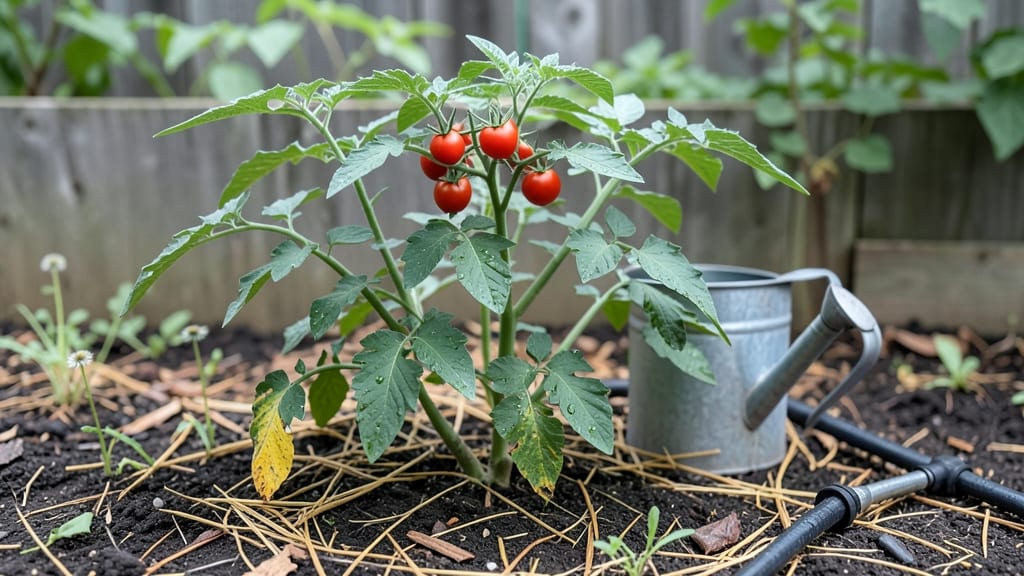
Watering your garden at dawn—when the air is cool and the sun hasn’t yet burned off moisture—is the absolute best time to water in summer. 🌅 I learned this the hard way after watching my tomatoes wilt under midday heat, only to recover when I switched to morning watering.
The roots drink deeply without evaporation stealing half the water before it reaches them.
Most plants thrive with 1-1.5 inches of water per week, but timing matters more than volume. Early morning watering gives roots a full day to absorb moisture before the heat kicks in, while evening watering risks fungal diseases from damp foliage overnight.
Mulch helps retain that precious water—think straw or wood chips spread 2-3 inches thick around plants.
You’ll notice the difference in just a few days: leaves stay crisp, not wilted, and the soil stays moist at the roots where it counts. Even drought-tolerant plants like lavender and rosemary perform better with consistent morning watering. The key is before 8 AM, when temperatures start climbing.
Regional tweaks matter—desert climates might need watering twice daily, while humid areas can stretch it to every other morning. Watch for wilting leaves or dry soil 1-2 inches down as your guide. Once you master this, your garden will look lush even in peak summer heat.
📚 In This Guide
- What you need
- Instructions
- Tips and common mistakes
- Wrapping up and next steps
What you need
- ● Watering Can (5-10 gallons) – Ideal for small gardens or delicate plants like herbs and seedlings.
- ● Hose with Adjustable Nozzle – Look for a gentle spray or soaker setting to avoid damaging plants. A 50-foot hose is a great standard length.
- ● Soaker Hoses (50-100 feet) – Perfect for deep watering without wasting water. Opt for low-flow, porous hoses for even distribution.
- ○ Drip Irrigation System (Optional but Recommended) – Saves water and delivers moisture directly to roots. A basic DIY kit or smart irrigation controller works well.
- ● Watering Timer (Mechanical or Digital) – Helps automate watering schedules. A 12V or battery-operated timer is easy to set up.
- ● Garden Gloves – Protects your hands from thorns, dirt, and hot water.
- ● Pruners or Shears – Useful for trimming dead foliage or adjusting soaker hoses.
- ● Access to Water Source – Ensure you have a reliable tap or well connection near your garden.
- ● Mulch (Straw, Wood Chips, or Compost) – 2-3 inches of mulch helps retain moisture and regulate soil temperature.
- ○ pH Test Kit (Optional) – Helps monitor soil health, especially if you notice yellowing leaves or stunted growth.
- ○ Rain Gauge (Optional) – Tracks rainfall to adjust watering schedules and avoid overwatering.
- ○ Wheelbarrow or Bucket (Optional) – Handy for transporting water, mulch, or tools around the garden.
Step-by-Step guide to watering your summer garden like a pro
Here’s how to water your garden for healthier plants and fewer weeds—without wasting a drop.
💧 Step 1: Water Right When the Sun Peeks Over the Horizon
Set your alarm for 6-9 AM—that’s when watering delivers the most benefits. Early morning lets roots soak up moisture before the heat of the day evaporates it. You’ll see dew still clinging to leaves, signaling the perfect window. Avoid midday watering; the sun acts like a magnifying glass, burning leaves and wasting water.
Use a rain gauge or your finger to check soil moisture before watering. Stick your finger 1-2 inches deep—if it feels dry, it’s time. If damp, wait another hour. Overwatering in summer is just as harmful as underwatering. I promise, your plants will thank you when they’re thriving instead of wilting.
☀️ Step 2: Water Deeply and Slowly for Stronger Roots
Ditch the quick spritz from the hose. Instead, water slowly and deeply to encourage roots to grow downward where they’ll find more moisture. Aim for 1-1.5 inches of water per week, delivered in one long session rather than multiple short ones. You’ll know you’ve hit the mark when water seeps 6-8 inches deep into the soil.
For container plants, water until water drains from the bottom. Lift the pot after 10 minutes—if it’s still heavy, keep watering. If it’s light, you’ve got the right amount. Mulch helps retain moisture, so spread 2-3 inches of mulch around plants (but keep it 1-2 inches away from stems to prevent rot).
⏰ Step 3: Avoid Evening Watering to Prevent Fungal Issues
Watering after 6 PM keeps foliage damp overnight, creating the perfect conditions for powdery mildew and blight. You’ll notice white or gray fuzzy spots on leaves—those are red flags. Instead, water in the morning so plants dry quickly. If you must water in the evening (like after a weekend away), water at ground level using a soaker hose or drip irrigation to avoid wetting leaves.
Pay attention to your garden’s microclimate. Shady spots stay moist longer, so they may only need watering every 3-4 days. Sunny areas dry out faster and might need daily watering during heatwaves. Adjust based on what you see—not just a schedule.
🌿 Step 4: Adjust for Heatwaves and Rainy Spells
When temperatures hit 90°F or higher, increase watering to 2 inches per week. Watch for wilting leaves by mid-morning—that’s your cue to water immediately. For containers, they may need daily watering during extreme heat. Place them in shaded areas during peak sun hours to reduce evaporation.
If rain falls, skip watering for 24 hours to let the soil absorb naturally. Check for standing water—puddles mean your garden is getting too much moisture. Adjust your watering schedule accordingly. A little flexibility goes a long way in keeping your garden happy and healthy.
🪴 Step 5: Use the Right Tools for Efficiency
Skip the sprinkler—it wastes water and can spread disease. Instead, use a soaker hose or drip irrigation to deliver water directly to the roots. These tools water slowly and evenly, reducing runoff and evaporation. For small gardens, a watering wand with a shut-off nozzle gives you control over flow and direction.
Collect rainwater in barrels to reduce your water bill and give plants a chemical-free source. Place barrels under downspouts and use a mesh screen to keep out debris. Rainwater is slightly acidic, which many plants prefer over tap water. Your garden (and your wallet) will love the savings.
Tips & tricks for perfect summer garden watering
These pro tips will help you maximize root growth and keep your garden thriving all summer long.
Timing Secret: The 6-9 AM window is non-negotiable for best results. I've seen gardens double in growth when watered at sunrise versus midday. If you can't water in the morning, set a timer for 10 minutes after sunrise—this gives roots just enough time to absorb moisture before evaporation kicks in.
Soil Check Technique: That 1-2 inch finger test in Step 1 is your best friend. I learned this the hard way after overwatering my tomato plants—dry soil at this depth means it's time, but if it's damp, wait. Pro tip: Use your knuckle as a guide—it's about the same depth as 1-2 inches. The soil should feel like a damp sponge, not a soggy washcloth.
Heatwave Strategy: When temperatures hit 90°F, I increase my watering to 2 inches per week and monitor wilting by mid-morning. For containers, I've found that placing them in shallow trays filled with pebbles and water creates a self-watering system that reduces evaporation. This works especially well for herbs and small vegetables that dry out quickly.
Rainwater Rescue: After those 24-hour waits following rain, I've noticed my plants actually perk up faster. The key is checking for standing water—if you see puddles, that's your signal to hold off another day. I've started collecting rainwater in barrels with mesh screens, and my plants seem to thrive better with this chemical-free source. The slight acidity in rainwater actually helps many plants absorb nutrients more efficiently.
Pro Tips for Best Time To Water Garden In Summer
- These pro tips will help you maximize root growth and keep your garden thriving all summer long.
- Timing Secret: The 6-9 AM window is non-negotiable for best results.
- Soil Check Technique: That 1-2 inch finger test in Step 1 is your best friend.
Frequently asked questions
Why is early morning the best time to water my garden?
Early morning watering (between 4-8 AM) reduces evaporation, allows roots to absorb moisture before the heat sets in, and minimizes fungal diseases. Plus, it mimics natural rainfall patterns, giving plants a strong start to the day!
What if I can’t water in the morning? What’s the next best time?
If mornings don’t work, water late afternoon or evening (after 6 PM)—just avoid midday heat. Early evening watering helps cool plants, but stop a few hours before sunset to prevent fungal growth. Consistency matters more than timing!
How often should I water my garden in summer?
Most gardens need 1–1.5 inches of water per week, split into 2–3 sessions (e.g., 3x/week in extreme heat). Check soil moisture 1–2 inches deep—if dry, it’s time to water. Drip irrigation or soaker hoses work best to avoid waste.
How do I know if my plants are getting enough water?
Watch for wilted leaves, yellowing, or dry soil—but don’t overwater! Overly soggy soil can suffocate roots. A quick test: Gently tug on a leaf; if it resists, you’re good. If it snaps easily, hydrate!
Can I use recycled water or rainwater for my garden?
Rainwater or filtered greywater (from sinks/showers) are great for gardens—just avoid soapy or salty water. Set up a rain barrel or use a water filtration system to save money and reduce waste.
Wrapping up and next steps
Mastering the best time to water your garden in summer is all about timing—early mornings win every time! 🌅 By watering before 8 AM, you give your plants the hydration they crave while minimizing evaporation and fungal risks. Your garden will thank you with lush, thriving roots and vibrant blooms.
Now that you’re armed with the right knowledge, put it into action! Start with a test run this week—observe how your plants respond and adjust as needed. Happy gardening, and may your summer blooms shine brighter than ever! 🌿✨