
Diseases
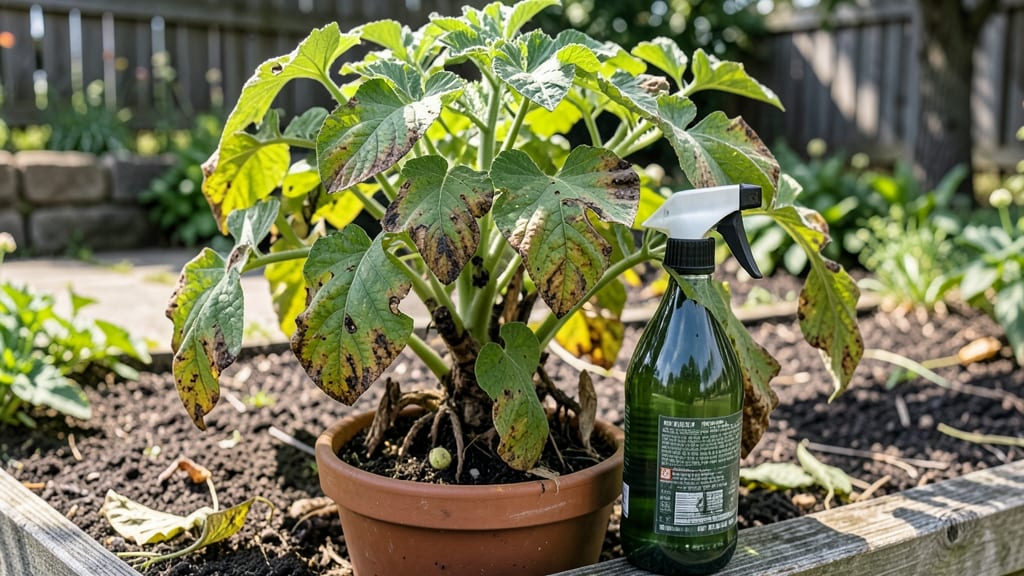
That unsightly black fungus in garden isn’t just unsightly—it’s sapping your plants’ strength, and I’ve cracked the code on how to fight it before it spreads. 🌱 solutions. The first step is telling the difference between a harmless dusting and something that’ll kill your tomatoes or roses if ignored.
Most black fungus problems start with sticky honeydew from aphids or poor airflow in crowded beds. That velvety black coating? It’s not dirt—it’s a fungus hitching a ride on sap or trapped moisture.
The good news? You can outsmart it with simple fixes like pruning for airflow, wiping leaves with soapy water, and choosing resistant plant varieties for next season.
Once you’ve identified the culprit, natural fixes like neem oil or baking soda sprays work fast without harsh chemicals. I’ve saved entire plants by acting within 48 hours of spotting the first signs.
The goal isn’t just to clean up—it’s to break the cycle so your garden stays healthy all season.
This works for container gardens, raised beds, and in-ground plots alike. Let’s tackle it step by step—your plants (and your sanity) will thank you.
Root Causes of Black Fungus Spread
Black fungus—often appearing as sooty mold or black spot diseases—isn’t just an eyesore; it’s a sign your garden’s ecosystem is out of balance. Understanding the why behind its growth is the first step to stopping it before it spreads.
Below, we break down the key culprits, backed by science, so you can address the real issues in your garden.
Black fungus thrives in moisture-rich environments, especially when leaves, soil, or plant surfaces stay damp for prolonged periods. Here’s why:
- Spores love humidity: Fungal spores (like those from Alternaria or Botrytis) germinate and spread rapidly in 70–90% humidity. Think of it like a fungal party—once the air is sticky, the spores invite their friends to colonize.
- Poor airflow: Dense foliage or crowded plants trap moisture, creating the perfect greenhouse effect. Without airflow, water lingers, and fungi feast on plant sugars exuded through wet surfaces.
- Overwatering: While plants need water, soggy soil doesn’t drain properly, leading to root rot and fungal blooms. A quick test: Stick your finger in the soil—if it’s damp 2+ inches down, you’re overdoing it.
💡 Pro Tip: Water in the early morning so foliage dries by sunset. Use drip irrigation or soaker hoses to avoid wetting leaves—fungi can’t party if they’re dry!
Black fungus often hitches a ride on honeydew, the sticky, sugary waste left by pests like aphids, scale insects, or whiteflies. Here’s the science:
- Honeydew = Fungal Buffet: When pests feed on plant sap, they excrete sugary droplets that attract sooty mold spores (like Capnodium). The mold feeds on this sugar, turning leaves black in days.
- Pests weaken plants: Infested plants are stressed, making them more susceptible to fungal infections. It’s like inviting a burglar into a home that’s already been ransacked.
- Systemic damage: Heavy infestations can block sunlight (since black mold absorbs light), reducing photosynthesis and stunting growth.
🔥 Action Step: Treat pest outbreaks immediately with neem oil or insecticidal soap. Wipe honeydew off leaves with a damp cloth to starve the mold.
A garden’s soil is its immune system, and when it’s unhealthy, fungi exploit the weakness. Key triggers include:
- Compacted or waterlogged soil: Poor drainage creates anaerobic conditions, where beneficial microbes (like Trichoderma) can’t thrive, leaving fungi to dominate.
- Excess nitrogen: While nitrogen fuels growth, too much (from synthetic fertilizers) makes plants soft and sugary, a fungal magnet. Think of it like feeding junk food to your plants—they get weak and attract pests.
- Lack of organic matter: Healthy soil rich in compost or mycorrhizal fungi outcompetes black fungus. Without it, pathogens take over like weeds in a neglected lawn.
🌱 Fix It: Amend soil with compost or biochar to improve drainage. Use balanced, organic fertilizers (like 5-5-5) and mulch to regulate moisture.
Black fungus doesn’t always come from your garden—sometimes, it’s already there, waiting for the right conditions. Here’s how spores spread:
- Wind and water: Spores from nearby infected plants, compost, or even store-bought soil can drift in and land on your garden. Once they find a damp, sugary surface, they germinate in 24–48 hours.
- Contaminated tools: Pruners, gloves, or pots can carry spores from one plant to another. It’s like sharing a fungal handshake.
- Dormant spores: Some fungi (like Rhizoctonia) can survive in soil for years as resting spores, waiting for warm, wet conditions to reactivate.
🛡️ Prevention: Sterilize tools with rubbing alcohol between uses. Quarantine new plants for 2 weeks before introducing them to your garden. Test soil for pathogens if outbreaks recur.
Now that you know the real culprits behind black fungus, the next step is targeted action. The good news? Most cases are preventable with simple adjustments to moisture, pests, and soil health.
Stay tuned for our removal and natural treatment guide to kick this fungus to the curb for good!
Quick Fixes for Black Fungus Woes
Black fungus—whether it’s Thielaviopsis basicola (black root rot), Macrophomina phaseolina (charcoal rot), or another culprit—can feel like a sneaky garden invader. But the good news? You can tackle it head-on with targeted, natural solutions.
Below, we’ve mapped out the best fixes based on the most common causes, plus prevention tips to keep your plants thriving long-term.
If you’ve spotted blackened stems, roots, or wilting leaves, act fast to stop the spread. - 🍳 Prune with sterilized tools: Use rubbing alcohol (70% or higher) to clean pruners between cuts.
Snip away affected areas at least 1 inch below the blackened zone—this ensures you’re removing the fungus’s food source. - 👨🍳 Dispose properly: Don’t compost infected plant debris. Seal it in a plastic bag and toss it in the trash (or burn it if local regulations allow).
This prevents spores from reinfecting your soil. - 🥘 Monitor nearby plants: Check neighboring plants for early signs (yellowing leaves, stunted growth). Isolate them if needed.
Pro Tip: 💡 If the fungus has spread to roots, consider repotting the plant into fresh, sterilized soil (more on that below).
Poor drainage and compacted soil create the perfect breeding ground for black fungus. Fix these issues to suffocate the problem at its source. - ✨ Drainage upgrades: - Amend heavy or clay soil with organic matter like compost, coconut coir, or perlite.
Aim for a mix that holds moisture but drains within 24 hours. - Elevate containers: If growing in pots, add drainage holes (if missing) and use a cache pot (a larger pot with drainage underneath) to prevent waterlogging. - 🎯 Soil sterilization: - Solarize your soil by covering it with clear plastic for 4–6 weeks in hot weather.
The sun’s heat kills fungal spores. - For potted plants, bake the soil in the oven at 200°F (93°C) for 30 minutes to sterilize it (save a small sample to test moisture levels afterward). - 🔥 Adjust watering habits: - Water deeply but infrequently—aim for 1–2 inches per week, depending on your climate.
Avoid overhead watering, which spreads spores. - Use drip irrigation or soaker hoses to deliver water directly to the roots.
Chemical fungicides can be harsh on plants and beneficial microbes. Instead, try these natural alternatives: - 🥗 Neem oil spray: - Mix 1 tbsp neem oil + 1 tsp mild soap + 1 quart water. Spray on leaves and soil (avoid direct sun to prevent leaf burn).
Reapply every 7–10 days. - Why it works: Neem oil disrupts fungal cell walls and contains antifungal compounds. - 🍎 Baking soda solution: - Combine 1 tbsp baking soda + 1 quart water + a few drops of dish soap.
Spray on foliage weekly. - Why it works: The alkaline pH inhibits fungal growth. - 🌿 Copper fungicide (organic option): - Use a copper-based spray (like copper sulfate or copper hydroxide) as a last resort. Follow label instructions carefully—copper can be toxic to plants in high doses.
Pro Tip: 🔥 For stubborn cases, rotate between neem oil and baking soda to prevent resistance.
Healthy plants fight off fungus better. Strengthen your greens with these care tweaks: - 💪 Nutrient balance: - Test your soil’s pH (ideal range: 6.0–7.0 for most plants).
Amend with lime to raise pH or sulfur to lower it if needed. - Add compost or worm castings to improve soil fertility and microbial activity, which outcompetes harmful fungi. - 🍎 Crop rotation: - Avoid planting susceptible crops (like tomatoes, peppers, or beans) in the same spot for at least 3 years.
Rotate with non-host plants like brassicas (kale, cabbage) or legumes (peas). - 🌿 Beneficial microbes: - Introduce mycorrhizal fungi or Trichoderma harzianum (a natural soil fungus) to outcompete pathogens. Sprinkle mycorrhizal powder on roots during transplanting.
An ounce of prevention is worth a pound of cure. Keep black fungus at bay with these habits: - 🌡️ Start with clean soil: - Buy sterilized potting mix or pasteurize garden soil before planting. - 🍄 Space plants properly: - Overcrowding reduces airflow, trapping moisture.
Follow spacing guidelines for your plants (check seed packets or plant tags). - 🌱 Choose resistant varieties: - Opt for fungal-resistant plant cultivars (e.g., ‘Defiant PhR’ tomatoes or ‘Iron Lady’ beans). - 🔥 Mulch strategically: - Use straw or wood chips (not fresh grass clippings) to mulch.
Keep mulch 2–3 inches away from stems to prevent moisture buildup.
Final Reminder: 🌿 Patience is key—some fungal issues take weeks to clear up. Stick with the fixes, and your garden will bounce back stronger! For severe cases, consult a local extension office for soil testing and expert advice.
Frequently asked questions
What’s the difference between black fungus and regular dirt on my plants?
Black fungus isn’t just dirt—it’s often sooty mold or black spot disease, which appears velvety and spreads unevenly. Dirt washes off easily, while fungus clings to leaves and stems, often accompanied by yellowing or wilting. Rub a leaf with your finger: if it leaves a black smudge, you’ve got fungus.
Can I still use my plants if they have black fungus?
It depends on the severity. For mild cases on edible plants (like tomatoes or peppers), wash the affected areas thoroughly before eating. However, if the fungus has spread to roots or stems, it’s best to remove the plant entirely to prevent further contamination. Never compost infected plants—seal them in a trash bag instead.
How long does it take for homemade remedies like neem oil to work?
You’ll typically see improvements within 3–7 days of consistent treatment. Neem oil works fastest (24–48 hours for visible results), but baking soda solutions may take up to 10 days for stubborn cases. Reapply every 7–10 days until the fungus disappears completely. Patience is key—don’t give up after one treatment!
Will black fungus kill my plants?
Not always, but severe cases can weaken or kill plants over time. Root-infecting fungi (like black root rot) are especially dangerous, as they cut off water and nutrient flow. Act fast by pruning infected areas and improving airflow/drainage to give your plants a fighting chance. Early intervention saves 90% of affected plants!
Can I reuse soil from a plant that had black fungus?
Only if you sterilize it first! Solarize the soil (cover with clear plastic for 4–6 weeks) or bake it at 200°F (93°C) for 30 minutes to kill spores. For potted plants, replace the top 2–3 inches of soil with fresh, sterilized mix. Never reuse contaminated soil without treatment—it’ll reinfect new plants.