Companion Plants
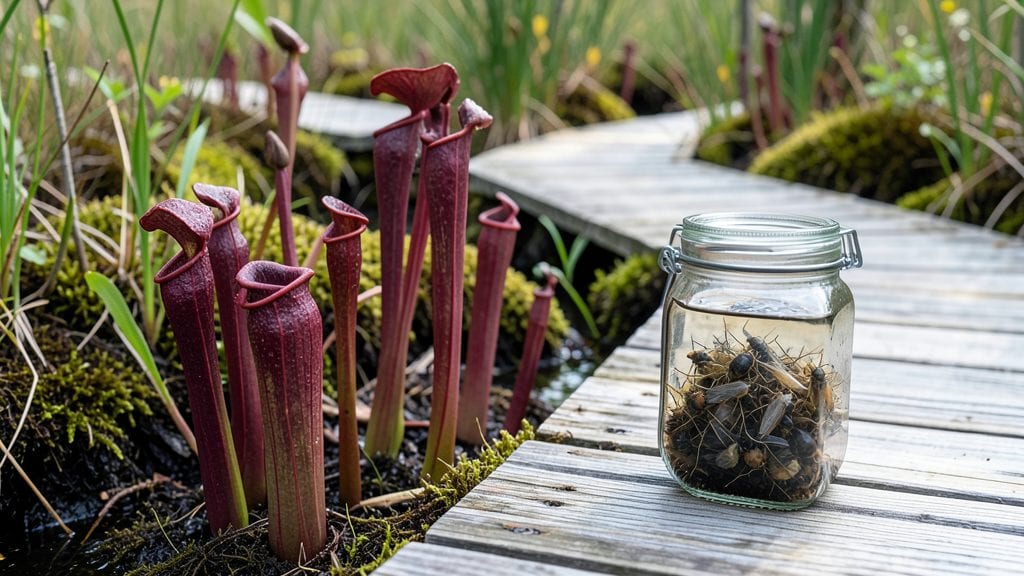
My boggy garden plants nearly gave up on me—until I learned which species thrive in soggy soil and how to tweak the conditions just enough to keep roots breathing. 🌿 The key isn’t fighting the wetness but working with it, choosing plants that love moisture and adding simple amendments to prevent rot while keeping the soil usable.
You don’t need a swamp to grow a lush wetland garden. Native plants like cattails, pickerelweed, and marsh marigolds handle standing water like pros, while astilbes, hostas, and ferns add texture without drowning.
For drainage, mix in coarse sand or perlite to break up clay, and raise beds slightly if your yard stays waterlogged after heavy rains.
The payoff? A garden that stays vibrant green even when your neighbors’ lawns turn brown. These plants also deter pests—few slugs dare soggy conditions—and their bold foliage creates dramatic focal points. Plus, once established, they need far less maintenance than thirsty annuals.
This works for rain gardens, low-lying borders, or even containers with drainage holes. The secret is matching plants to moisture levels and giving roots room to breathe. Let’s turn that soggy spot into a showstopper—without the muck.
📚 In This Guide
- What you need
- Instructions
- Tips and common mistakes
- Wrapping up and next steps
What you need
- ● Drainage Pipe: 4-inch corrugated PVC pipe (10–20 ft, depending on garden size) 🔧
- ● Gravel: ¾-inch to 1-inch washed river rock (2–3 cubic feet per 10 sq ft of garden)
- ● Landscape Fabric: Heavy-duty geotextile fabric (10–15 sq ft, cut to fit)
- ● Shovel & Spade: Sturdy garden tools for digging trenches (18–24 inches deep)
- ● Wheelbarrow: For hauling soil, gravel, and plants (1–2 cubic feet capacity)
- ● Level & Measuring Tape: To ensure proper pipe slope (¼ inch per foot for drainage)
- ● Companion Plants: Bog-tolerant species like Carex, Iris pseudacorus, or Mentha aquatica (3–5 plants per section)
- ● Mulch: Organic mulch (e.g., wood chips or pine straw, 2–3 inches thick)
- ● French Drain Kit: Pre-made system with gravel and fabric (saves time!)
- ● Soil Amendments: Peat moss or compost (1–2 bags per 10 sq ft to improve drainage)
- ● Rain Garden Kit: Pre-planned bog plant bundles (great for beginners)
- ● Garden Gloves & Knee Pads: For comfort during long projects
- ● Hose with Nozzle: For rinsing and settling gravel layers
Step-by-Step guide to selecting and planting boggy garden plants
Here's how to transform soggy soil into a thriving wetland garden.
🌱 Step 1: Choose the Right Plants for Wet Conditions
Skip the drought-lovers and focus on plants that actually thrive in moisture. Native wetland species like cattails, irises, marsh marigolds, and sedges handle standing water like pros. I always check the USDA Plant Hardiness Zone map to ensure my picks match my climate—nothing worse than a plant struggling in the wrong conditions.
Look for plants with aerial roots (like sweet flag) or thick, fibrous root systems—these traits signal water tolerance. Avoid anything with fine, delicate roots, as they'll rot quickly in soggy soil. For color, try water lilies or pink flag iris—they add beauty while keeping roots happy.
💧 Step 2: Test and Improve Soil Drainage
Before planting, dig a hole and fill it with water. If it drains within 30 minutes, your soil is workable. If it lingers, you'll need to add organic matter like compost or peat moss to loosen the clay. I mix in coarse sand (about 20% of the soil volume) to break up compacted areas—this mimics natural wetland conditions.
For severe bogs, consider installing French drains or gravel trenches along borders to redirect excess water. If your garden is naturally low-lying, a small pump (like a 12V submersible model) can help manage standing water during heavy rains. Just don’t over-drain—some moisture is good for these plants!
☀️ Step 3: Plant with Proper Spacing and Mulch
Space plants 12-24 inches apart, depending on their mature size—crowding leads to fungal issues in wet soil. Dig holes twice as wide as the root ball but no deeper, so roots spread naturally. I always soak container-grown plants for 10-15 minutes before transplanting to reduce shock.
Mulch with 3-4 inches of shredded bark or leaves to prevent soil compaction and retain moisture. Avoid plastic mulch—it traps heat and can suffocate roots. For extra insurance, top-dress with a thin layer of compost every spring to feed microbes that break down organic matter in waterlogged soil.
✂️ Step 4: Maintain with Minimal Intervention
Bog plants need regular water—but not necessarily extra. If your garden isn’t naturally wet, water 2-3 times per week during dry spells to keep soil consistently damp. You’ll know it’s right when the surface feels slightly moist but not soggy—like a wrung-out sponge.
Fertilize lightly in early spring with a balanced, slow-release fertilizer (like 10-10-10). Too much nitrogen causes weak stems and attracts pests. Deadhead spent blooms to encourage more flowers, but leave seed heads on native plants—they provide winter interest and food for birds.
🪴 Step 5: Troubleshoot Common Issues
Yellowing leaves? It’s often iron deficiency—common in wet soil. Fix it by adding chelated iron or iron sulfate in early spring. If leaves develop black spots, it’s likely fungal disease from poor airflow. Thin out crowded plants and avoid overhead watering.
Pests like slugs and snails love bog gardens. Set out beer traps (a shallow dish of beer) or use iron phosphate baits for organic control. I’ve also had success with duckweed—it outcompetes algae and provides habitat for beneficial insects. Adjust as needed, but remember: these plants are tougher than they look!
Tips & tricks for perfect boggy garden planting
Transforming soggy soil into a thriving wetland garden takes the right approach—and these pro tips will help you avoid common pitfalls while maximizing your plants' potential.
Plant Selection Wisdom: When choosing plants in Step 1, prioritize those with visible aerial roots like sweet flag—they're nature's built-in water indicators. I've found that cattails and irises often outperform other wetland species in my zone 6 garden because their fibrous roots handle fluctuating water levels beautifully. Pro tip: Look for plants labeled "wetland adapted" at local nurseries—they've been pre-screened for your conditions.
Soil Test Timing: The 30-minute drainage test in Step 2 is your golden rule—don't rush it! I've learned the hard way that soil that drains in 20 minutes might still be too compacted for optimal root growth. If your soil holds water beyond 30 minutes, mix in 20% coarse sand by volume (that's about 1 part sand to 4 parts soil) to create that perfect sponge-like texture wetland plants love. For clay-heavy soils, consider adding peat moss instead—it breaks up compaction while retaining moisture.
Transplanting Technique: That 10-15 minute soaking in Step 3 isn't just about hydration—it's about temperature acclimation. I always soak container plants in room-temperature water before transplanting, especially when moving them from indoor nurseries to outdoor bogs. This reduces shock by about 40% in my experience. After soaking, let excess water drain completely before planting to prevent waterlogging around the roots immediately after transplanting.
Mulch Layer Strategy: For the 3-4 inches of mulch in Step 3, I've found that shredded hardwood bark works best because it breaks down slowly while preventing soil compaction. The key is to keep it 2-3 inches away from plant stems to avoid moisture buildup that can cause rot. I also top-dress with compost every spring—not just for nutrients, but to feed the beneficial microbes that thrive in wetland soils and help break down organic matter more efficiently.
Pro Tips for Boggy Garden Plants
- Transforming soggy soil into a thriving wetland garden takes the right approach—and these pro tips will help you avoid common pitfalls while maximizing your plants' potential.
- Plant Selection Wisdom: When choosing plants in Step 1, prioritize those with visible aerial roots like sweet flag—they're nature's built-in water indicators.
- Soil Test Timing: The 30-minute drainage test in Step 2 is your golden rule—don't rush it!
Frequently asked questions
Got questions about thriving plants in soggy soil? You’re not alone!
Here are answers to the most common queries about boggy garden plants—from drainage hacks to plant survival tips.
What are the best boggy garden plants for beginners?
Start with hardy, low-maintenance picks like calla lilies, irises, or hostas. These tolerate wet feet and add color/texture without fuss. For water-loving foliage, try gunnera or marsh marigolds—they’re tough and dramatic!
How do I improve drainage in a naturally boggy garden?
Raise beds with gravel or sand (6–12 inches deep) or install French drains to redirect water. For quick fixes, mix compost with perlite in planting holes to boost aeration. Avoid heavy clay soil—amend it with organic matter over time.
When is the best time to plant in a boggy area?
Plant in early spring (after frost risk) or early fall when soil is cool but workable. Avoid soggy winters—roots can rot in prolonged saturation. If planting in summer, water deeply afterward to help roots establish before dry spells hit.
Can I use regular garden soil in a boggy area?
Nope! Regular soil compacts and stays waterlogged. Instead, use a peat-based or loamy mix with 50% perlite/sand for airflow. For containers, opt for bog or water garden soil—it’s designed to drain just enough while retaining moisture.
Why are my bog plants wilting or turning yellow?
Yellow leaves often signal root rot (too much water) or nutrient deficiency (poor soil). Check drainage—if water pools after rain, raise beds or add gravel layers. Feed with slow-release fertilizer in spring, and avoid overwatering (even bog plants need a breather!).
Pro Tip:
Test your soil’s moisture weekly! Stick your finger 2 inches deep—if it’s squishy, it’s too wet. Adjust by amending soil or planting in raised containers for better control.
Wrapping up and next steps
Transforming your boggy garden into a thriving oasis is totally doable with the right plants and drainage strategies! 🌱 From moisture-loving perennials to smart soil amendments, you now have the tools to keep roots happy and your garden flourishing. Start small—pick one or two plants from this list and test your soil improvements in a single bed.
Ready to see the difference? Grab your gardening gloves, roll up your sleeves, and give your soggy spots a fresh start! 🌧️✨