
Vegetables
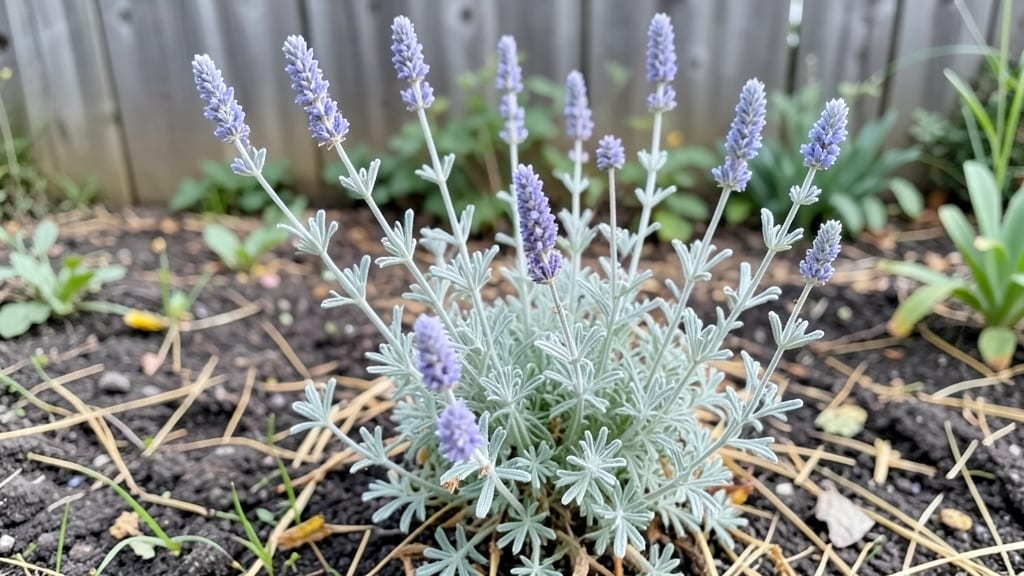
The Boise garden zone includes USDA Hardiness Zones 6b to 7a, with winter temperatures dipping between -5°F and 5°F, making it perfect for cold-tolerant plants like lavender, Russian sage, and apple trees.
Boise's elevation and urban layout create distinct microclimates—some areas can feel 2-3 zones warmer than others, especially near the river or in downtown pockets. 🌿 For example, the foothills experience cooler nights, while lowland areas near the Boise River might support slightly tender plants.
I always check both the USDA map and local garden center recommendations to account for these variations, especially when choosing perennials that need to survive harsh winters.
This zone classification means you can grow a wide range of cold-hardy vegetables like kale, Brussels sprouts, and broccoli, which thrive in cooler temperatures. The key is selecting varieties that match Boise's 100-120 frost-free days and preparing your soil with organic matter to improve drainage during our occasional spring floods.
💡 In This Article
- Understanding Boise’s Microclimates and Plant Zones
- Top Cold-Resistant Plants Thriving in Boise Gardens
Understanding Boise’s microclimates and plant zones
Boise’s elevation—ranging from 2,400 to 3,500 feet—plays a critical role in its plant hardiness zones. The city’s average winter lows of -5°F to 5°F define its USDA Zones 6b-7a classification, but the real story lies in how elevation and urban structures create microclimates.
Higher areas like the foothills experience colder temperatures due to radiational cooling, while lower elevations near the Boise River can trap heat, creating pockets that support slightly warmer-zone plants.
This variation explains why you might see zone 7a plants thriving in downtown gardens while zone 6b varieties struggle just a few miles away in the hills. 🌡️
The urban heat island effect further complicates planting decisions. Concrete and asphalt absorb and retain heat, raising temperatures in city centers by up to 5-10°F compared to rural areas.
This means downtown Boise might feel more like zone 7b during summer, while suburban neighborhoods closer to green spaces align more closely with the official zone 6b-7a classification.
For example, the Boise State University campus often records higher summer temperatures than residential areas in Meridian, affecting which perennials can survive year-round. Even frost patterns vary—low-lying areas near the river can experience inversion layers, where cold air settles and creates unexpected frost pockets.
To navigate these variations, gardeners should combine the USDA map with local data from sources like the Boise District Office of the USDA or Idaho State University Extension. These resources provide 10-year temperature averages that account for Boise’s unique climate patterns.
For instance, while the USDA map might suggest zone 7a for most of Boise, local records show that minimum winter temperatures often dip closer to zone 6b, especially in unprotected areas.
This is why I always recommend adjusting planting zones by half a zone downward for cold-sensitive plants like figs or olive trees, while pushing zone 7a varieties like dwarf fruit trees in sheltered microclimates. 🌿
Another critical factor is wind exposure. Boise’s location in the Great Basin means prevailing winds can create dry, cold conditions that stress plants. South-facing slopes and windbreaks (like hedges or fences) can modify microclimates by 2-3°F, making them ideal spots for marginally hardy plants.
For example, a Russian sage bush planted on a south-facing wall might survive winters that would otherwise kill it in an exposed garden bed. Understanding these nuances helps explain why some gardens thrive while others struggle—it’s not just about the zone number, but the specific conditions within that zone.
Practical application involves observing your own garden’s behavior over multiple years. Keep a frost log to track when and where frost occurs, and note which plants survive or die back.
For instance, while the USDA map might suggest zone 7a for most of Boise, my own garden in the North End experiences zone 6b conditions due to its higher elevation and exposure.
This real-world data becomes more valuable than the map alone, especially when selecting perennials that need to rebloom annually. By combining official zone data with local observations, you can create a garden that thrives despite Boise’s climate quirks. ✨
For those new to Boise gardening, start with zone 6b plants as a baseline, then experiment with zone 7a varieties in sheltered microclimates. Native plants like Idaho fescue grass or wild bergamot are excellent indicators of your garden’s true hardiness, as they’ve evolved to thrive in Boise’s specific conditions.
Over time, you’ll develop an intuitive sense of your garden’s microclimate—whether it’s the 3°F warmer spot near your patio or the 5°F colder corner behind the garage. This localized knowledge is what separates a good garden from a great one in Boise. 💫