
Pests and Diseases
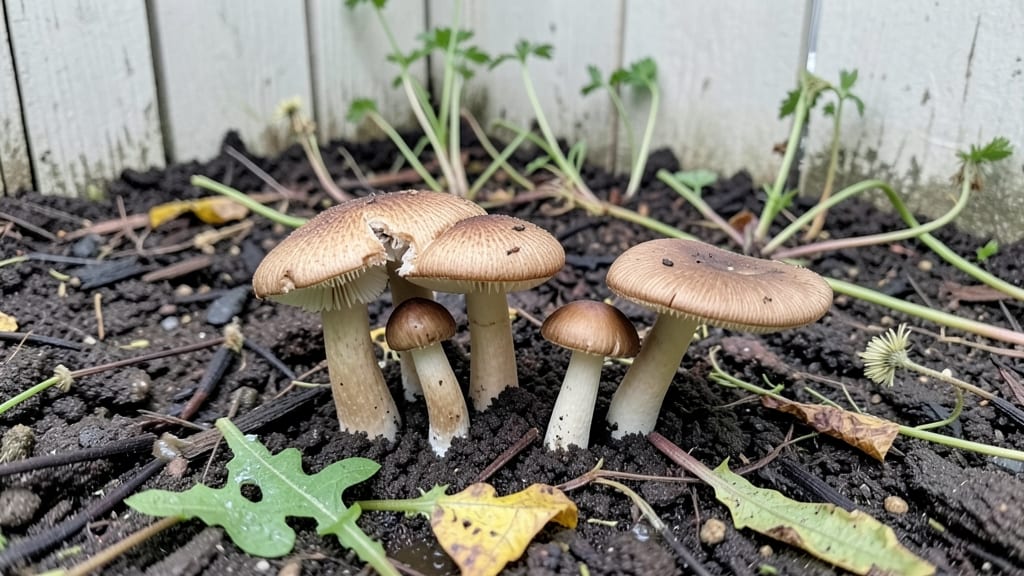
Brown mushrooms popping up overnight in my garden sent me scrambling for answers—and turned out to be a wake-up call about soil health. 🌿 I’ve since learned these aren’t just random fungi; they’re nature’s way of telling you something’s off with moisture, decay, or drainage.
The good news? You can fix it without harsh chemicals, and the process might even improve your garden’s overall vitality.
Most of the time, these mushrooms appear because your soil is too damp, organic matter is breaking down unevenly, or water isn’t draining properly. I’ve seen them sprout after heavy rains, near old mulch piles, or where last year’s plant debris lingered.
The key is acting fast—before they spread or signal deeper rot. Start by identifying their exact location and what’s feeding them, because that’s where the real fix begins.
By the end of this, your garden will be free of those unsightly fungi and better protected from future outbreaks. You’ll learn how to adjust watering habits, improve airflow, and even turn mushroom spots into opportunities for richer, more balanced soil.
The results? Healthier plants that thrive without the mystery of sudden fungal surprises.
Whether you’re dealing with a backyard bed, containers, or a community plot, these steps adapt easily. The secret lies in understanding why mushrooms love your garden—and then outsmarting them with simple, natural adjustments. Let’s get your soil back on track.
Root Causes Of Fungal Growth
Discovering brown mushrooms popping up in your garden can feel like an unwelcome surprise—especially when you’re not sure why they’re there. These fungal growths aren’t just random; they thrive due to specific conditions that create the perfect environment for their spread.
Understanding these causes is the first step to preventing them naturally. Let’s break down the science behind why these mushrooms appear and how you can address the underlying issues.
Mushrooms, including brown varieties, are essentially the fruiting bodies of fungi that thrive in damp, humid conditions. If your garden soil stays soggy for extended periods—whether from overwatering, poor drainage, or heavy rainfall—you’re essentially creating a fungal paradise.
Fungi need moisture to grow their mycelium (the hidden, root-like network beneath the soil), and excess water prevents the soil from drying out, allowing spores to germinate and mushrooms to sprout.
Why it happens:
- Compacted soil prevents water from draining properly, trapping moisture near the surface where fungal spores can take hold.
- Clay-heavy soil holds water like a sponge, creating ideal conditions for fungal growth.
- Overwatering (especially in shaded or low-traffic areas) keeps the soil consistently damp, encouraging mushroom development.
Actionable fix: Improve drainage by amending soil with organic matter like compost or perlite. Avoid watering at night, and ensure your garden has proper slope or French drain systems to redirect excess water.
Brown mushrooms often appear where there’s plenty of decomposing plant material—think fallen leaves, wood chips, or old mulch. Fungi are nature’s recyclers, breaking down dead organic matter to release nutrients back into the soil.
If your garden has thick layers of leaf litter, rotting roots, or compost piles, you’re providing a buffet for fungal spores.
Why it happens:
- Unturned compost piles or leaf mulch can become a hotspot for fungal growth if they’re not aerated or maintained.
- Buried wood or roots (from pruned plants or dead stumps) can harbor fungal mycelium that eventually surfaces as mushrooms.
- Shaded, undisturbed areas (like under dense shrubs or trees) trap moisture and organic debris, creating ideal conditions.
Actionable fix: Regularly clear away thick layers of organic debris, especially in shaded spots. Turn compost piles frequently to aerate them, and remove any buried wood or roots that might be harboring fungal growth.
Fungi are opportunistic organisms, and they flourish when temperatures and humidity are just right. Most brown mushrooms prefer cool to moderate temperatures (between 50–75°F) and high humidity (above 60%). If your garden stays consistently moist and cool—like in spring or fall—you’ll likely see more fungal activity.
Why it happens:
- Cool, damp climates (common in early spring or late fall) create perfect conditions for fungal spores to germinate.
- Shaded or low-lying areas retain moisture longer and stay cooler, making them prime spots for mushrooms.
- Sudden changes in weather (like heavy rain followed by cooler temperatures) can trigger a fungal boom.
Actionable fix: Improve airflow in your garden by pruning overgrown plants and avoiding dense mulch layers. In humid climates, consider using well-draining mulches like straw or pine needles instead of thick organic layers.
Fungi love fertile soil, especially if it’s been recently disturbed—like after digging, planting, or tilling. When you disrupt the soil, you expose fungal spores to fresh nutrients, encouraging them to grow.
Additionally, some brown mushrooms (like Stropharia or Coprinus species) are attracted to nitrogen-rich environments, such as those found in compost or freshly amended garden beds.
Why it happens:
- Freshly tilled or dug soil exposes dormant spores to oxygen and nutrients, triggering growth.
- High-nitrogen fertilizers (like manure or blood meal) can attract certain fungal species.
- Newly planted areas with disturbed roots provide easy access to organic material for fungi to decompose.
Actionable fix: Avoid over-fertilizing with nitrogen-heavy amendments. If you’ve recently tilled, consider adding a layer of dried leaves or wood chips to suppress fungal growth until the soil stabilizes.
By addressing these root causes, you’ll not only reduce the appearance of brown mushrooms but also create a healthier, more balanced garden ecosystem. The key is prevention through proper drainage, organic matter management, and smart watering practices—without resorting to harsh chemicals.
Natural Ways To Remove Fungal Growth
Discovering brown mushrooms sprouting in your garden can feel like an unwelcome surprise, but the good news is that most fungal growths can be managed—and prevented—without harsh chemicals. Below, we’ll break down practical solutions tailored to the most common causes, from overwatering to poor soil drainage.
Each fix is designed to be simple, eco-friendly, and effective, so you can reclaim your garden without stress.
If your garden soil stays soggy, it creates the perfect breeding ground for mushrooms. These fungi thrive in damp, compacted conditions, often popping up after heavy rain or overzealous watering. Here’s how to dry things out and discourage regrowth:
🔥 Step 1: Reduce Watering Immediately
- Skip the hose for 1–2 weeks and let the soil dry naturally. Mushrooms need moisture to spread, so cutting back forces them into dormancy.
- Water deeply but less often: Aim for 1–1.5 inches of water per week (including rain) and water early in the day to allow evaporation.
👨🍳 Step 2: Improve Soil Drainage
- Aerate compacted soil: Use a garden fork or tiller to loosen the top 6–8 inches. This helps water drain away from roots and reduces fungal hotspots.
- Add organic matter: Mix in compost, coconut coir, or perlite to improve drainage and absorb excess moisture.
🥘 Step 3: Remove Mushrooms Completely
- Pull them at the base (including the root-like mycelium) to prevent regrowth. Wear gloves—some mushrooms can irritate skin.
- Sprinkle food-grade diatomaceous earth (DE) around the area to create a natural barrier. DE dehydrates fungal spores on contact.
⏰ Prevention Tip:
💡 Install a French drain or bury a perforated pipe surrounded by gravel if your garden has chronic waterlogging. This redirects excess water away from mushroom-prone zones.
Mushrooms often appear when soil lacks competition from plants or beneficial microbes. If your garden soil is depleted or overly acidic, fungi can take over. Rebalance it with these steps:
🔥 Step 1: Test Your Soil
- Use a DIY soil test kit (available at garden centers) to check pH and nutrient levels. Ideal pH for most gardens is 6.0–7.0.
- If the soil is too acidic (below 6.0), amend it with lime (follow package instructions).
🍳 Step 2: Boost Beneficial Microbes
- Add compost or worm castings to introduce beneficial bacteria and fungi that outcompete mushroom spores.
- Plant cover crops like clover or ryegrass in fall/winter. These improve soil structure and suppress unwanted fungi.
👨🍳 Step 3: Introduce Fungal Competitors
- Sprinkle mycorrhizal fungi (available as powders or granules) near plant roots. These beneficial fungi form symbiotic relationships with plants, crowding out pathogens.
- Plant mushroom-resistant ground covers, such as creeping thyme, moss, or ajuga, to smother spores.
🎯 Prevention Tip:
🌡️ Mulch strategically: Use straw or wood chips (avoid thick layers of pine bark, which can acidify soil). Keep mulch 2–3 inches deep to prevent moisture buildup while still protecting soil health.
Mushrooms love shade and humidity, so if they’re popping up under trees, near fences, or in low-light areas, it’s time to adjust the environment. Here’s how:
🔥 Step 1: Increase Airflow
- Prune overgrown plants to allow sunlight and air to circulate. Aim for 6–8 hours of sunlight daily in affected areas.
- Space plants 18–24 inches apart to reduce humidity pockets.
🥘 Step 2: Dry Out the Area
- Place a fan on a low setting near shaded spots to improve airflow (especially useful in containers or greenhouses).
- Remove debris (leaves, branches) that traps moisture. Pile it in the compost or mulch it thinly.
🔪 Step 3: Solarize the Soil (For Stubborn Cases)
- Cover the area with clear plastic sheeting for 4–6 weeks during hot weather. The sun’s heat will kill fungal spores in the top layer of soil.
- Water lightly before covering to help trap heat.
✨ Prevention Tip:
💡 Choose drought-tolerant plants for shady areas, like hostas, ferns, or heuchera. These thrive with less water and discourage fungal growth.
If mushrooms are growing on rotting logs, stumps, or thick mulch, the issue is organic decay. These fungi break down cellulose, so the fix involves removing the food source and sanitizing the area.
🔥 Step 1: Remove the Source
- Chip or burn (safely!) decaying wood or stumps. If burning isn’t an option, haul it to a compost site or use it for mulch in vegetable gardens (where heat will kill spores).
- Replace thick mulch with a thin layer (1–2 inches) of shredded leaves or straw.
👨🍳 Step 2: Sanitize the Soil
- Sprinkle baking soda (sodium bicarbonate) around the area—it raises soil pH slightly, making it less hospitable to fungi.
- Apply a vinegar solution (1 part white vinegar to 3 parts water) to the affected spot. The acidity disrupts fungal growth.
🥘 Step 3: Replace with Fungal-Resistant Materials
- Use gravel, decomposed granite, or rubber mulch in high-risk areas (like under decks or near fences).
- Avoid fresh wood chips (they take years to decompose and can feed fungi). Opt for cypress or cedar mulch, which resist rot longer.
🎯 Prevention Tip:
🔥 Rotate mulch types every 1–2 years to prevent buildup of fungal spores. For example, alternate between straw and pine needles to keep the ecosystem balanced.
With these targeted fixes, you can eliminate existing mushrooms and prevent future outbreaks—all while keeping your garden thriving naturally. The key is acting quickly, improving drainage, and creating an environment where plants (not fungi) take center stage! 🌿
Frequently asked questions
Are brown mushrooms in my garden always harmful?
Most brown mushrooms are harmless decomposers that break down organic matter, but some can signal poor soil health or even indicate toxic varieties. Always remove them—especially if they appear suddenly or in clusters. A few species (like Stropharia) can even spread to nearby plants if left unchecked. When in doubt, snap a photo and check a local mushroom ID guide.
Can I use vinegar to kill brown mushrooms in my garden?
Yes! A 1:3 vinegar-to-water solution disrupts fungal growth by altering soil pH. Spray directly on mushrooms and surrounding soil, but avoid plants sensitive to acidity. For stubborn cases, reapply every 3–4 days until new growth stops. The acidity also helps prevent regrowth by making the environment less hospitable to spores.
Why do mushrooms keep coming back after I remove them?
Mushrooms often return because their mycelium network (hidden roots) remains in the soil. To stop regrowth, improve drainage, reduce moisture, and add compost or diatomaceous earth to disrupt the fungal food source. If they persist, the issue may be buried organic matter (like roots or wood chips)—dig deeper to uncover and remove the source.
Are there any mushrooms I can eat from my garden?
Only if you’re 100% certain of the species—never eat wild mushrooms unless identified by an expert. Many brown mushrooms resemble toxic look-alikes (like the deadly Galerina marginata). If you suspect edible varieties, consult a mycologist or use a field guide. When in doubt, remove and discard all garden mushrooms safely.
How can I prevent mushrooms in containers or raised beds?
Focus on drainage and airflow: Use well-draining soil mixes with perlite or sand, and avoid overwatering. Elevate containers to prevent water pooling, and add a 1-inch layer of gravel at the bottom. For raised beds, mulch with straw (not wood chips) and space plants to allow sunlight and air circulation.