
Container Gardens
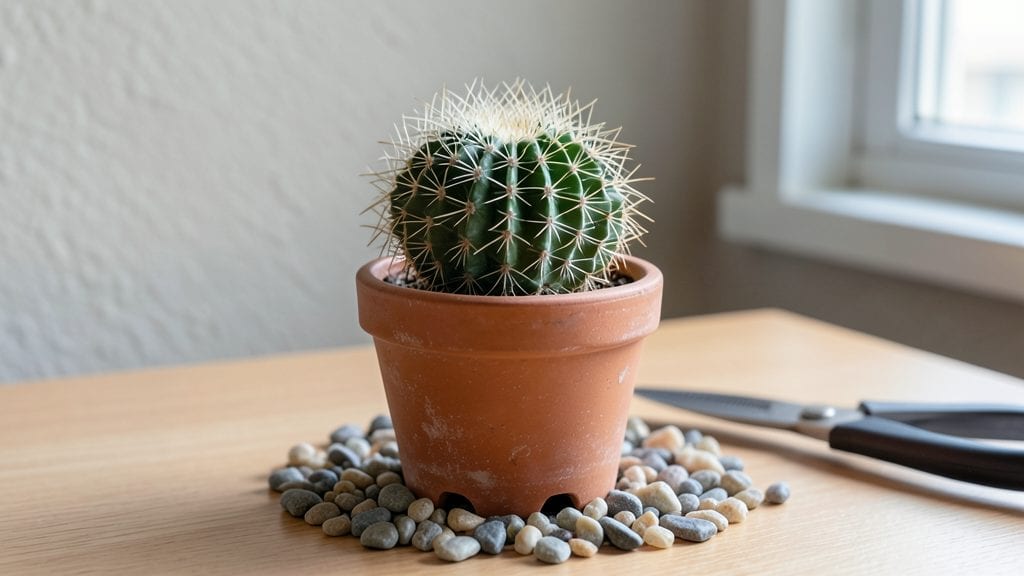
A cactus potted garden turns any space into a sun-drenched desert oasis—no backyard required. I started mine on a tiny balcony with just three pots and a single prickly pear, and now it’s the most talked-about corner of my home.
The key isn’t just choosing the right cacti (though that matters), but arranging them so they feel intentional, not random. A well-placed agave next to a cluster of echinopsis creates drama, while trailing sedum adds softness to the sharp lines.
You don’t need fancy containers—terracotta, ceramic, or even repurposed wooden boxes work beautifully. The real secret is drainage: every pot must have holes, and a layer of gravel at the bottom prevents root rot. For placement, morning sun is ideal, but most cacti tolerate bright indirect light indoors.
Pair yours with drought-tolerant companions like hens-and-chicks or lamb’s ear to fill gaps while keeping the desert vibe. Even a single statement piece in a glossy black pot makes an impact.
By the time you’re done, you’ll have a collection that feels curated, not cluttered. The textures—spiky, smooth, ribbed—create visual interest, and the colors range from deep greens to striking blues and purples. My favorite part? How little maintenance it needs.
A quick watering every two weeks in summer keeps everything happy, and the arrangement stays striking year-round. This isn’t just a garden; it’s a statement piece that works indoors or out.
Whether you go for a minimalist single-cactus display or a full desert tableau, the rules are simple: good drainage, bright light, and a little creativity. Start small—even one striking pot makes a difference—and let the cacti do the rest.
The hardest part is resisting the urge to overcrowd; less is always more with these desert survivors.
📚 In This Guide
- What you need
- Instructions
- Tips and common mistakes
- Wrapping up and next steps
What you need
- ● Cacti: 3–5 small to medium-sized cacti (e.g., Mammillaria, Echeveria, or Opuntia). Choose varieties with complementary shapes and colors for visual appeal.
- ● Potting Mix: 1–2 gallons of cactus/succulent soil (well-draining, sandy, and gritty—avoid regular garden soil!). Brands like Cactus Mix by Black Gold or Miracle-Gro Cactus Soil work well.
- ● Containers: 1 large decorative pot (12–18 inches wide) with drainage holes (terracotta or ceramic preferred).
- ○ Optional: Smaller accent pots (4–6 inches) for individual cacti if layering.
- ● Drainage: 1–2 inches of pebbles, perlite, or pumice for the pot’s base to prevent root rot.
- ● Gloves: A pair of gardening gloves (cacti spines can be tricky!)
- ● Trowel: A small hand trowel for planting and rearranging soil.
- ● Watering Can: A spray mister or small can with a narrow spout for precise watering.
- ● Decorative Elements: Sand, small rocks, or fairy garden accessories (mini fences, figurines) for a whimsical touch.
- ● Slow-Release Fertilizer: A cactus-specific fertilizer (like Dyna-Gro Grow) to nourish roots over time.
- ● Self-Watering System: A wicking mat or self-watering pot to reduce maintenance (great for forgetful plant parents!).
- ● Light Meter: A small LED grow light (if your space lacks bright, indirect sunlight).
- ● Label Stakes: Chalkboard or wooden stakes to label your cacti (because who hasn’t mixed up their Echeveria and Haworthia?).
Step-by-step instructions for creating a thriving cactus potted garden
Here's how to craft a stunning desert collection that stays healthy and vibrant.
Select and Prepare Your Containers
Choose pots with drainage holes—cacti despise soggy roots. I prefer terra cotta because it breathes and prevents moisture buildup. For a 4-plant arrangement, use containers at least 6 inches deep and 8 inches wide to give roots room to spread. If using decorative pots without drainage, place them inside nursery pots first to catch excess water.
Clean containers thoroughly with soapy water to remove any residue from previous plants. Rinse well and let them dry completely before adding soil. The reason? Old soil can harbor fungus or bacteria that will kill your cacti before they even sprout. I like to sanitize mine with a 10% bleach solution (1 part bleach to 9 parts water), then rinse and dry under the sun for an hour.
Choose and Acclimate Your Cacti
Pick cacti with similar water needs—mixing moisture-loving varieties with drought-tolerant ones leads to uneven care. For beginners, I recommend 4-inch potted cacti like prickly pear, snake plant, or mammillaria—they're hardy and forgiving. Bring new cacti inside for 3-5 days before planting to let them adjust to your home's humidity and light conditions.
Check for pests like mealybugs or scale insects by running your fingers along the stems. If you find any, isolate the plant and treat it with 70% isopropyl alcohol on a cotton swab before adding it to your garden. Healthy cacti should have firm, plump stems with no soft spots or sticky residue.
Layer Soil and Plant with Care
Fill each container one-third full with cactus and succulent mix—regular potting soil compacts and holds too much moisture. Press the soil lightly to create a stable base for your cacti. For 4 plants, you'll need about 2 gallons of mix total, dividing it evenly among containers.
Gently remove your cacti from their nursery pots by sliding a knife around the edges. Handle them with gloves—some varieties have spines that can irritate skin. Place each cactus in its pot and fill the remaining space with soil, pressing lightly to secure the plant. Leave ½ inch of space between the soil surface and the pot's rim to prevent overflow during watering.
Position for Light and Monitor Growth
Place your potted garden in a spot with bright, indirect light for the first 7-10 days to help them adjust. After that, gradually introduce them to direct sunlight—most cacti thrive in 6+ hours of sun daily. A south-facing window is ideal, but avoid harsh midday rays in summer, which can scorch delicate varieties.
Wait 2 weeks before watering. You'll know it's time when the top 1 inch of soil feels completely dry. Stick your finger in the soil—if it's damp past your first knuckle, wait a few more days. Overwatering is the #1 killer of container cacti, so I set a reminder on my phone to check soil moisture weekly during the growing season.
Maintain with Minimal Effort
Water deeply but infrequently—once every 2-3 weeks in spring and fall, and every 4-6 weeks in winter when growth slows. Use a small watering can or spray bottle to apply water directly to the soil, avoiding the plant itself. Let excess water drain completely before placing the pot back on its saucer.
Fertilize lightly during the growing season (spring and summer) with a balanced, water-soluble fertilizer diluted to half strength. I apply it once a month, mixing it with water and applying it to the soil surface. Stop fertilizing in fall and winter—cacti rest during these months, and extra nutrients can harm them. Watch for new growth or flower buds as a sign your care routine is working.
Tips & tricks for perfect cactus potted gardens
Creating a thriving cactus garden is all about the details—here's how to avoid common pitfalls and elevate your desert collection.
Container Selection Matters: Terra cotta pots are ideal because they allow moisture to evaporate through their porous walls, preventing root rot. If you choose decorative pots without drainage holes, always nest them inside nursery pots to catch excess water. I've learned this the hard way—once I planted a beautiful cactus in a sealed pot, and within weeks, the roots started rotting from trapped moisture. The 6-inch depth and 8-inch width recommendations aren't arbitrary; they provide enough space for roots to establish without becoming root-bound too quickly.
Acclimation is Critical: That 3-5 day acclimation period before planting is non-negotiable. Cacti grown in nurseries often experience very different humidity and light conditions than your home. I've seen plants that looked healthy at the store wilt dramatically within days of being brought indoors. During this time, keep them in a shaded area away from direct sunlight or heating vents. This gradual adjustment prevents shock and gives your cacti the best chance to thrive in their new environment.
Soil Depth and Drainage: When you fill your containers one-third full with cactus mix in Step 3, resist the urge to pack it down tightly. The soil should be loose enough to allow water to drain quickly through the bottom. I've found that adding a layer of small gravel or perlite at the bottom of each pot creates an extra drainage layer that prevents water from pooling around the roots. This simple addition can make the difference between a healthy plant and one that struggles.
Light Transition Strategy: The 7-10 day period of bright indirect light before introducing direct sunlight is where many beginners make mistakes. I've seen cacti develop sunburn spots within hours of being moved to full sun. Start with morning sunlight, which is less intense, and gradually increase exposure over several days. You'll know your cacti are ready for full sun when their color deepens slightly and they appear more vibrant.
Pro Tips for Cactus Potted Garden
- Creating a thriving cactus garden is all about the details—here's how to avoid common pitfalls and elevate your desert collection.
- Container Selection Matters: Terra cotta pots are ideal because they allow moisture to evaporate through their porous walls, preventing root rot.
- Acclimation is Critical: That 3-5 day acclimation period before planting is non-negotiable.
Frequently asked questions
Got questions about creating your own cactus potted garden? You’re not alone! Here are some of the most common queries—and their simple, practical answers—to help you grow with confidence.
What’s the best soil mix for potted cacti?
Use a fast-draining mix like 50% cactus/succulent soil + 50% perlite or coarse sand. Avoid regular potting soil—it holds too much moisture and can rot roots. Pro tip: Add a handful of pumice for extra aeration!
How often should I water my potted cactus garden?
Water only when the top 2–3 inches of soil are bone-dry—usually every 2–4 weeks, depending on climate. Overwatering is the #1 killer! In winter, cut back to once a month or less. Stick your finger in the soil—it’s the best gauge.
Can I keep my cactus potted garden indoors?
Yes! Place it near a south- or west-facing window for 6+ hours of sunlight daily. If natural light is limited, supplement with a grow light (12–14 hours/day). Avoid drafts (like AC vents) or sudden temperature swings—cacti hate humidity!
How do I repot my cactus without getting pricked?
Wear thick gloves and use tongs or a spoon to lift the cactus. If stuck, wrap the pot in a towel and twist gently. Choose a pot 1–2 inches larger than the current one—too big = soggy roots.
Why are my cacti getting mushy or developing spots?
Mushy stems or spots = overwatering or fungal/bacterial rot. Let the soil dry out completely, then trim affected areas with sterilized scissors. Improve drainage and avoid wetting leaves. If pests (like mealybugs) appear, wipe with rubbing alcohol or use neem oil.
Still stumped? Drop your question in the comments—we’re happy to help your desert oasis thrive!
Wrapping up and next steps
Creating a cactus potted garden is a rewarding way to bring desert beauty into your space—whether you're a seasoned gardener or just starting out! 🌵 With the right mix of soil, containers, and sunlight, these low-maintenance plants can thrive while adding a unique, stylish touch to your home or patio.
The key is patience and a little creativity; soon, you’ll have a stunning, drought-resistant oasis that’s as easy to care for as it is to admire.
Ready to take the next step? Start small—pick a few cacti, gather your supplies, and let your green thumb (or cactus thumb!) grow. Happy planting! 🌱