Advice
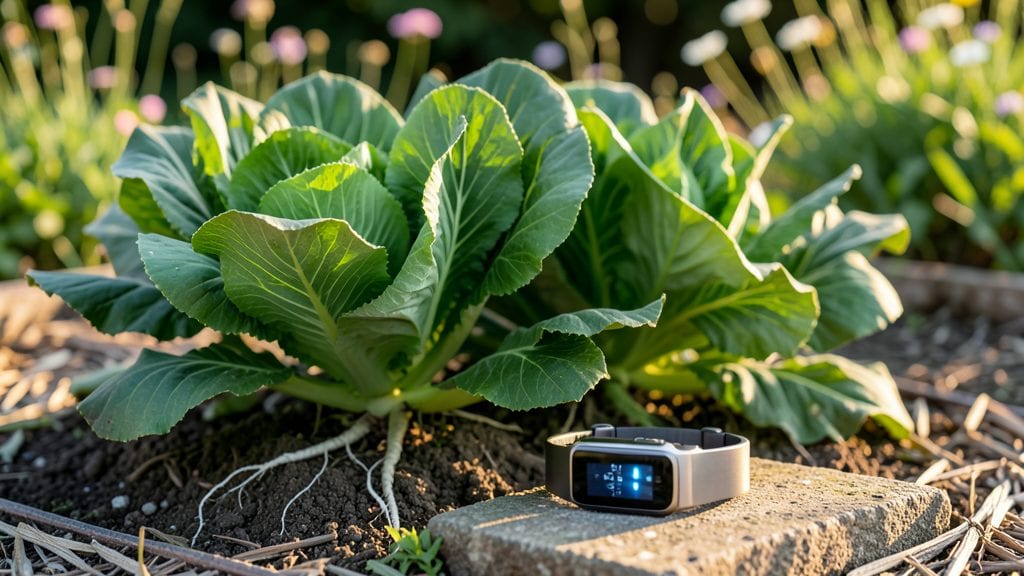
Burning calories through gardening ranges from 150 to 400 per hour, depending on how hard you work and your body weight. Light tasks like pruning or harvesting burn around 200-250 calories, while heavy-duty work like digging or moving soil can push you past 400 for someone weighing 155 pounds.
Your gardening routine can actually function as a workout—especially when you incorporate more physical tasks. 🌱 The key difference between light and heavy gardening lies in muscle engagement and movement patterns: digging requires more core strength and leg power, while raking engages your arms and back.
For maximum calorie burn, I recommend alternating between high-effort tasks (like hauling bags of mulch) and lighter ones (such as deadheading flowers) to keep your heart rate elevated.
Even simple adjustments like using a manual wheelbarrow instead of a cart can add extra resistance, boosting your energy expenditure by up to 15%.
💡 In This Article
- How Gardening Intensity Affects Calorie Expenditure
- Maximizing Calorie Burn While Gardening Efficiently
How gardening intensity affects calorie expenditure
Your body burns calories in gardening primarily through muscle engagement and sustained movement. Tasks like digging or shoveling require significant upper-body and core strength, while raking or hauling mulch engage larger muscle groups like legs and shoulders.
The key difference lies in how these activities tax your cardiovascular system—vigorous tasks elevate your heart rate, increasing calorie burn. For example, a 155-pound person digging for 30 minutes burns roughly 150 calories, but extending that to 1 hour doubles the expenditure to 300 calories or more. 🔥
Body weight plays a critical role in calorie calculations. Heavier individuals naturally expend more energy because their bodies must support greater mass during movement.
A 200-pound person raking leaves for 1 hour burns about 350 calories, while a 125-pound person doing the same task burns closer to 225 calories.
This variance explains why gardening can feel easier or harder depending on your size—your muscles and joints work harder to lift, push, or pull when carrying extra weight.
Even small adjustments, like bending more frequently or lifting heavier bags of soil, can push calorie totals upward by 20-30% per hour.
Comparing gardening to traditional cardio reveals fascinating insights. Moderate gardening tasks (like weeding or planting) align with activities like brisk walking, burning 250-300 calories per hour. However, high-intensity tasks like digging trenches or hauling wheelbarrows rival running or cycling, with some activities exceeding 400 calories per hour.
The difference? Gardening often involves intermittent bursts of effort followed by recovery periods, creating a metabolic challenge similar to interval training. This pattern keeps your heart rate fluctuating, which is more effective for fat loss than steady-state cardio. ✨
Duration and technique also matter significantly. A 10-minute session of vigorous digging burns far fewer calories than a 1-hour session of consistent effort. However, what most people overlook is how form and efficiency impact results.
Using proper lifting techniques (bending at the knees, not the waist) reduces strain but may slightly lower calorie burn. Conversely, poor form forces your body to compensate, increasing energy expenditure by 10-15%—though this comes with a higher risk of injury. The sweet spot?
Balancing intensity with sustainability to avoid burnout while maximizing metabolic output.
Consider this real-world example: A 160-pound person spent 2 hours gardening—1 hour digging and 1 hour raking. The digging phase burned 350 calories, while raking added 250 calories, totaling 600 calories for the session.
That’s comparable to a 45-minute jog but with the added benefit of fresh produce and a satisfying sense of accomplishment. The key takeaway? Gardening isn’t just a hobby—it’s a full-body workout when approached strategically. 💫
For those tracking fitness goals, gardening offers a unique advantage: it’s low-impact yet highly effective. Unlike running or weightlifting, which can stress joints, gardening allows you to control intensity based on your fitness level.
Start with lighter tasks (like pruning or mulching) to build endurance, then gradually introduce heavier work (like tilling or moving rocks). This progressive approach helps prevent injury while steadily increasing calorie burn over time. 🌟