Picking
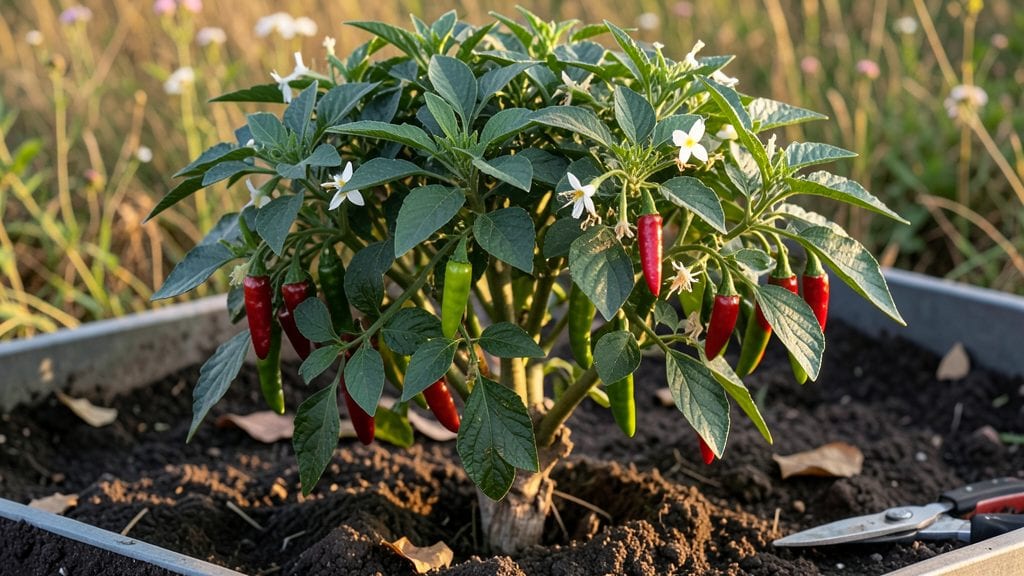
Growing cayenne peppers from seed to harvest is one of those gardening wins that turns a small plot into a spice cabinet. 🌱 I learned the hard way that these little plants need heat—both in the soil and the air—to pack their signature kick, but once you nail the basics, you’ll be drying peppers for hot sauce that puts store-bought to shame.
The secret starts with well-draining soil mixed with compost and a container or bed that gets at least 6-8 hours of sun daily. Cayennes are finicky about moisture too—keep the soil consistently damp but never soggy, and watch out for blossom-end rot if you overwater.
Most beginners overcrowd them, but proper spacing (18-24 inches apart) means better air circulation and fewer diseases.
By midsummer, you’ll see those telltale tiny flowers, and if pollinated right, you’ll harvest bright red, finger-length peppers in 70-90 days. The first few peppers might be small, but each plant can produce dozens if you pinch off early blooms to focus energy on bigger yields.
Prune aggressively to encourage bushier growth, and save seeds from your best peppers to grow next year’s batch.
Container growers, don’t worry—these thrive in 5-gallon pots with proper drainage. And here’s the kicker: cayennes love warm nights, so if you’re in a cooler zone, start seeds indoors 8-10 weeks before last frost and transplant after all danger of frost has passed.
The payoff? Homegrown heat that’s fresher, hotter, and way more satisfying than anything in a jar.
📚 In This Guide
- What you need
- Instructions
- Tips and common mistakes
- Wrapping up and next steps
What you need
- ● Cayenne pepper seeds or seedlings: Choose disease-resistant varieties like ‘Mad Dog,’ ‘TAM Mild,’ or ‘Carolina Cayenne.’ Start with 3–5 plants for a small harvest.
- ● Well-draining potting mix: Use a high-quality, organic blend (e.g., 60% peat moss, 20% perlite, 20% compost) for containers. For garden beds, amend soil with 2–3 inches of compost.
- ● Containers (if applicable): 5-gallon pots or larger (minimum 12" deep) with drainage holes. Opt for fabric grow bags for better aeration.
- ● Fertilizer: A balanced, organic fertilizer (e.g., 10-10-10 or fish emulsion) or compost tea for a nutrient boost.
- ● Mulch: Straw or wood chips (2–3 inches) to retain moisture and suppress weeds.
- ● Garden trowel or transplanting spade (for planting seeds/seedlings).
- ● Watering can or hose with a gentle spray nozzle (avoid wetting foliage to prevent disease).
- ● Pruning shears (for trimming excess leaves or shaping plants).
- ○ Gloves (optional but handy—cayenne peppers can irritate skin!).
- ○ pH test kit (optional but recommended; cayennes thrive in soil pH 6.0–6.8).
- ● Full sun exposure: 6–8+ hours of direct sunlight daily (no shade!).
- ● Warmth: Cayennes need soil temps above 60°F (15°C) to germinate. Use a heat mat indoors if starting early.
- ● Patience: Germination takes 7–21 days; harvests begin 70–90 days after transplanting.
Step-by-Step guide to growing cayenne peppers
Here's how to cultivate fiery cayenne peppers whether you're working with containers or garden beds.
🌱 Step 1: Prepare Your Soil and Containers
Cayenne peppers thrive in warm, well-draining soil with a pH between 6.0 and 7.0. If using containers, fill each 5-gallon pot (one per plant) with a mix of 50% potting mix and 50% compost. For garden beds, till in 2-3 inches of compost into the top 6 inches of soil. Cayennes hate soggy roots, so add 1 part perlite to every 3 parts soil for extra drainage.
Work the mix until it's loose and crumbly—think of it like fluffy cake batter, not compacted dirt. If your soil feels heavy or clumps when squeezed, add more perlite. This step ensures strong root development and prevents the common issue of blossom-end rot later.
☀️ Step 2: Plant Seeds or Transplants at the Right Time
Start seeds indoors 8-10 weeks before your last frost date, or plant transplants after all danger of frost has passed and soil temperatures reach at least 65°F. For direct sown seeds, plant ¼ inch deep in rows 12 inches apart. If using transplants, space them 18 inches apart in containers or beds.
Here's the thing—cayennes are sensitive to cold. If you plant too early, the seeds won't germinate, and young plants will wilt. Wait until nighttime temperatures stay above 55°F consistently. You'll know it's time when nearby plants like tomatoes or basil are thriving.
💧 Step 3: Water and Fertilize for Maximum Heat
Keep soil consistently moist but never soggy—about 1 inch of water per week. Water at the base of the plant in the morning to prevent fungal diseases. Cayennes need regular feeding—apply a balanced 10-10-10 fertilizer every 2-3 weeks once flowers appear. Stop fertilizing 4-6 weeks before harvest to boost sweetness and heat.
Watch for signs of overwatering: yellowing leaves or wilting despite moist soil. This usually means poor drainage. If you see that, cut back on watering slightly and ensure your containers have drainage holes. The goal is steady moisture, not a swampy environment.
✂️ Step 4: Prune and Support for Bigger Harvests
Remove any suckers (those little shoots that grow in the joint between the stem and branches) to direct energy to fruit production. Once plants reach 18 inches tall, stake them with 3-foot bamboo stakes or use cage supports to prevent stems from snapping under the weight of peppers. Pinch off the first few flowers if your plant looks leggy—this encourages bushier growth.
Real talk: Pruning can feel counterintuitive when you're eager for peppers, but it pays off. You'll see stronger stems and more peppers maturing at once. Harvest peppers when they're 3-4 inches long and fully colored—this keeps the plant producing more fruit.
🌿 Step 5: Harvest and Store for Maximum Spice
Pick peppers in the morning when heat levels are highest. Use clean pruning shears to snip stems, leaving ¼ inch of stem attached. Store fresh peppers in the fridge for up to 2 weeks or dry them in a dehydrator at 135°F for 4-6 hours to preserve their heat. For long-term storage, freeze peppers in 1-cup portions with a sprinkle of salt to retain flavor.
Don't wait until peppers turn completely red to harvest—green cayennes are still packed with heat. The longer they stay on the plant, the hotter they get, but harvesting early gives you a continuous supply. You'll know they're ready when they're firm, shiny, and fully colored.
Tips & tricks for perfect cayenne pepper gardening
A few key insights that'll help you grow cayenne peppers with maximum heat and minimal hassle.
Soil Temperature Matters: In Step 2, when you're waiting for soil temperatures to reach at least 65°F, don't rush it! Use a soil thermometer to check—cold soil below 55°F at night can stunt your plants. I've seen cayenne seedlings wilt dramatically when nighttime temps dip below this threshold. If you're in doubt, wait until nearby tomato plants are thriving—cayennes need similar warmth.
Pruning Strategy: When you reach Step 4 and see those suckers forming, here's what I do: Remove suckers that appear in the lower third of the plant first. These lower suckers often produce smaller peppers, so redirecting energy to the main stem gives you better quality fruit. Also, pinch off flowers only on the bottom half of the plant—this encourages bushier growth higher up where sunlight is strongest.
Harvest Timing Secret: The 3-4 inch harvest size in Step 5 is ideal, but here's the thing—morning is the absolute best time to pick. Heat levels peak after a cool night, and peppers are firmest first thing. I always harvest with clean pruning shears, leaving that ¼ inch stem attached. This small detail helps preserve the pepper's natural oils and heat for up to 2 weeks in fridge storage.
Storage Wisdom: For that dehydrator step at 135°F, don't rush the 4-6 hour process! Check peppers at the 4-hour mark—if they're still slightly pliable, give them another hour. Properly dried cayennes will be leathery to the touch and retain their heat for months. I store my dried peppers in airtight jars with a pinch of salt to lock in that fiery flavor.
Pro Tips for Cayenne Pepper Gardening
- A few key insights that'll help you grow cayenne peppers with maximum heat and minimal hassle.
- Soil Temperature Matters: In Step 2, when you're waiting for soil temperatures to reach at least 65°F, don't rush it!...
- Pruning Strategy: When you reach Step 4 and see those suckers forming, here's what I do: Remove suckers that appear i...
Frequently asked questions
Got questions about growing your own cayenne peppers? Here are some of the most common ones—plus answers to help you grow a fiery harvest with confidence!
When is the best time to plant cayenne peppers?
Plant cayenne peppers after the last frost when soil temperatures reach at least 65°F (18°C). In most U.S. climates, this means late spring or early summer. For cooler regions, start seeds indoors 8–10 weeks before the last frost for a head start!
How long does it take for cayenne peppers to mature?
Cayenne peppers typically take 70–90 days to mature from seed, depending on the variety and growing conditions. If starting from seedlings, expect 60–75 days to harvest. Patience pays off—let them ripen fully for maximum heat!
Can I grow cayenne peppers in containers?
Cayenne peppers thrive in containers as long as the pot is at least 12–18 inches deep and has drainage holes. Use a high-quality potting mix and place the container in a spot with 6+ hours of sunlight daily. Just be sure to fertilize regularly for best results.
What should I do if my cayenne plants get pests or diseases?
Common issues include aphids, spider mites, or fungal diseases like powdery mildew. Prevent pests with neem oil or insecticidal soap. For fungal issues, improve airflow and avoid overhead watering. If problems persist, remove affected leaves and treat with a copper fungicide.
How do I know when cayenne peppers are ready to harvest?
Harvest cayenne peppers when they’re firm, glossy, and fully colored (red, orange, or yellow, depending on the variety). For extra heat, let them ripen on the plant. Use sharp scissors or pruners to avoid damaging the plant, and harvest in the morning for the best flavor!
Wrapping up and next steps
Growing your own cayenne peppers is a rewarding journey that brings bold flavors and fiery satisfaction to your kitchen! Whether you’re cultivating them in containers or garden beds, remember that patience, proper care, and a little spice-loving passion are all you need to harvest a bountiful crop. 🌶️
Now that you’re armed with the know-how, why not take the next step? Start with a single plant, experiment with varieties, or even share your harvest with fellow spice enthusiasts. Happy gardening—and may your cayennes be hot and plentiful! 🔥