Fertilization
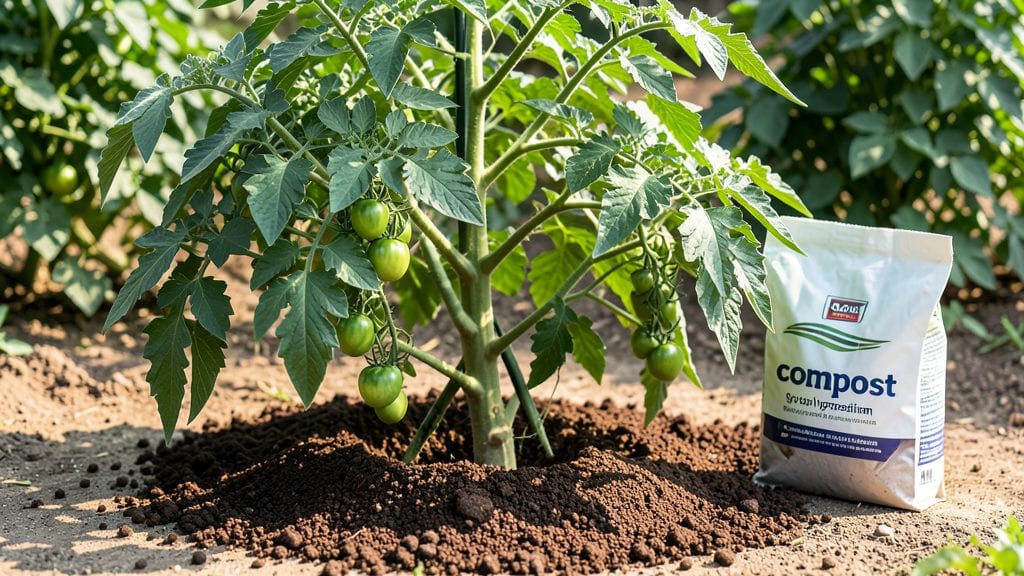
Coffee grounds in the vegetable garden act as a natural fertilizer, enriching soil with nitrogen and organic material while deterring pests like slugs. Apply them lightly as mulch or compost first to prevent soil acidity buildup.
Coffee grounds are packed with nitrogen—about 2% by weight—which feeds beneficial soil microbes and promotes plant growth. 🌱 The organic matter they add improves soil structure, helping it retain moisture while allowing better root penetration.
However, their acidity means they work best for plants like tomatoes, peppers, and blueberries, while others like cabbage or lettuce may suffer from over-acidification. I always recommend mixing them into compost first to balance their effects.
Beyond fertility, coffee grounds act as a natural pest deterrent. The strong scent repels slugs, ants, and even some beetles, making them a dual-purpose garden helper. Just remember: a thin layer is key—too much can smother plants or create a breeding ground for mold.
For best results, sprinkle them around the base of plants or work them lightly into the top inch of soil.
💡 In This Article
- How Coffee Grounds Enhance Soil Health
- Best Plants for Coffee Ground Fertilizer
How coffee grounds enhance soil health
Coffee grounds are a powerhouse of nitrogen—containing roughly 2% nitrogen by weight, they act as a fast-release fertilizer for plants. This nitrogen content comes primarily from the protein breakdown during roasting, which converts into ammonia when decomposed by soil microbes.
The process releases nutrients that become immediately available to plants, similar to how synthetic fertilizers work but with a slower, more sustainable release. 🌱 What's fascinating is how this nitrogen boost triggers microbial activity, creating a thriving ecosystem that breaks down organic matter more efficiently.
The organic matter in coffee grounds improves soil structure by increasing its ability to retain moisture while enhancing aeration. When mixed into the top 2-3 inches of soil, they create a spongy texture that holds water like a natural reservoir.
Studies show that soils amended with coffee grounds can retain up to 20% more moisture than untreated soil, which is especially valuable during dry spells. This moisture retention also helps regulate soil temperature, keeping roots cooler in summer and warmer in winter—a benefit comparable to adding compost or well-rotted manure.
However, coffee grounds' acidity is where things get nuanced. Fresh grounds have a pH of around 4.5-5.5, which can lower soil pH over time.
While this is ideal for acid-loving plants like blueberries or hydrangeas, it's less suitable for vegetables like lettuce or cabbage that prefer neutral to slightly alkaline soil (pH 6.0-7.0).
Unlike compost, which has a more balanced pH (around 6.5-8.0), coffee grounds require careful application—mixing them with lime or wood ash can neutralize their acidity if needed.
When comparing coffee grounds to other organic amendments, they offer unique advantages. Compost provides a broader range of nutrients and a more stable pH, while manure delivers additional phosphorus and potassium.
But coffee grounds stand out for their pest-repelling properties: the caffeine and tannins they contain deter slugs, ants, and even some beetles. This dual benefit—fertility plus pest control—makes them a standout choice for gardeners seeking a low-cost, sustainable solution.
For optimal results, I recommend blending coffee grounds with other organic matter before applying. Mix them at a ratio of 1 part grounds to 2 parts compost and spread the mixture lightly around plants.
This approach balances their nitrogen content with the broader nutrient profile of compost, creating a well-rounded soil amendment. Over time, this practice can transform your garden soil into a thriving, nutrient-rich environment. 💫