
Tools
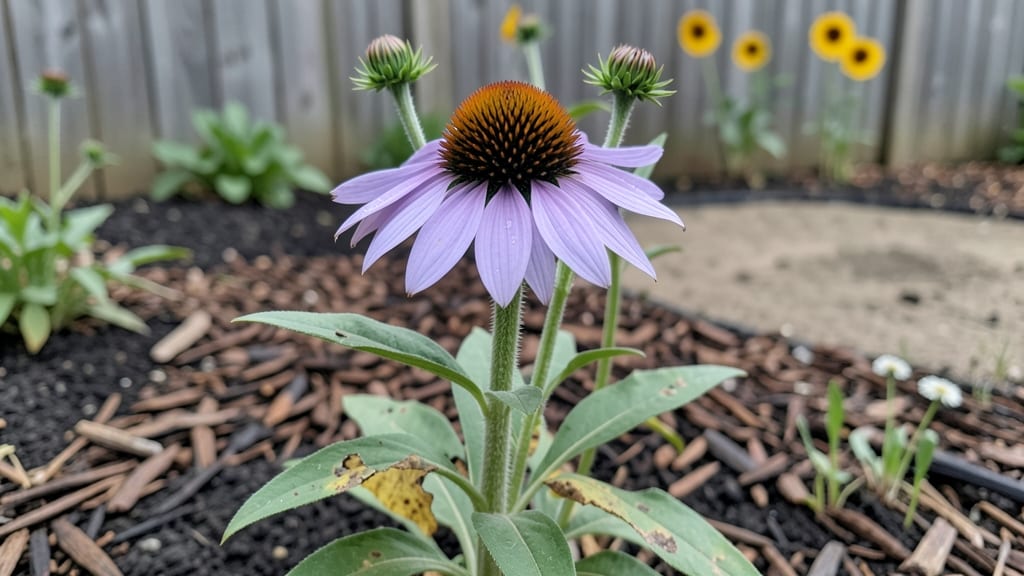
Coneflowers in the garden aren’t just tough survivors—they’re the unsung heroes of pollinator-friendly landscapes, turning every summer into a humming, buzzing spectacle. 🌻 I’ve watched my backyard transform from a quiet corner to a magnet for bees, butterflies, and hummingbirds the moment these purple-pink daisies bloom.
Their dried seed heads even add winter interest when most gardens go dormant.
The best part? They thrive with almost no fuss. Plant them in full sun where other perennials might struggle, and they’ll reward you with foot-tall blooms that last from midsummer through fall.
Pair them with black-eyed Susans for a golden-purple contrast or tuck them near lavender for a fragrant, textured border. Even in containers, they bring that same effortless charm.
You’ll end up with a garden that stays vibrant long after other flowers fade. The deep pink centers turn papery brown in autumn, catching snowflakes like tiny umbrellas. And the pollinators? They’ll keep coming back year after year, turning your space into a thriving ecosystem without extra work.
Works in borders, meadow-style plantings, or even as a single statement plant in a large container. Here’s how to make them the star of your garden—no green thumb required.
📚 In This Guide
- What you need
- Instructions
- Tips and common mistakes
- Wrapping up and next steps
What you need
- ● Coneflower plants: Choose between Echinacea purpurea (purple), Echinacea pallida (pale pink), or Echinacea atrorubens (dark red). Opt for 3–5 plants for a small garden or 6+ plants for a pollinator-friendly border.
- ○ Seeds (optional): If starting from seed, pick heirloom or native varieties (e.g., Echinacea 'Magnus' or 'White Swan'). Plant 10–15 seeds per location for better germination rates.
- ● Well-draining soil: Coneflowers thrive in loamy or sandy soil with a pH of 6.0–7.0. Amend heavy clay with compost or perlite (1 part per 3 parts soil).
- ● Organic mulch: 2–3 inches of shredded bark, straw, or pine needles to retain moisture and suppress weeds.
- ○ Fertilizer (optional): A balanced 10-10-10 or low-phosphorus (5-10-5) fertilizer at planting time (follow package rates). Coneflowers are light feeders!
- ● Garden trowel or transplant spade (for digging holes 12–18 inches apart for mature plants).
- ● Pruners or shears (for trimming dead foliage or dividing clumps).
- ● Garden gloves (to protect hands from thorns and rough stems).
- ● Watering can or hose with a gentle spray nozzle (coneflowers need 1–1.5 inches of water weekly, but avoid soggy soil).
- ○ Stakes or plant markers (optional) to label varieties if planting multiple types.
- ● Sunlight: Full sun (6+ hours daily) for optimal blooms. Partial shade (4–6 hours) works in hot climates.
- ● Spacing: Plant Type Spacing Mature plants 18–24 inches apart Seeds 6–12 inches apart (thin to 18 inches as they grow)
- ● Timing: Plant transplants in spring or early fall (avoid summer heat).
- ● Sow seeds indoors 8–10 weeks before last frost or directly in early spring or fall.
Step-by-step guide to planting and maintaining coneflowers in your garden
Here's how to cultivate these hardy perennials for vibrant blooms and endless pollinator visits.
🌱 Step 1: Choose the Right Location and Prepare the Soil
Coneflowers thrive in full sun—select a spot receiving at least 6-8 hours of direct sunlight daily. They tolerate partial shade but will produce fewer blooms. I always test the soil first with a simple pH kit; coneflowers prefer slightly acidic to neutral soil with a pH between 6.0-7.0. If your soil is heavy clay, amend it with 2-3 inches of compost mixed into the top 6 inches of soil.
Loosen the soil to a depth of 12 inches with a garden fork to improve drainage. Coneflowers hate soggy roots, so if your garden has poor drainage, consider planting on a slight mound or in raised beds. Here's the thing—coneflowers are drought-tolerant once established, but they need well-draining soil to begin with. If your soil feels compacted when squeezed, add more organic matter.
🌿 Step 2: Plant Bare-Root or Container-Grown Coneflowers
For bare-root plants, soak the roots in lukewarm water for 1 hour before planting to rehydrate them. Dig a hole twice as wide as the root ball but no deeper—coneflowers dislike being planted too deep, which can cause rot. Gently place the plant in the hole, ensuring the top of the root ball sits 1 inch below soil level.
If planting container-grown coneflowers, remove the plant from its pot and loosen the roots at the edges with your fingers. This encourages outward root growth rather than a tangled mass. Backfill the hole with soil, pressing lightly around the base to eliminate air pockets. Water deeply right after planting to settle the soil and remove any air gaps. You'll see new growth within 2-3 weeks if conditions are right.
💧 Step 3: Water and Fertilize for Strong Establishment
Water newly planted coneflowers 1-2 times per week for the first 4-6 weeks, keeping the soil evenly moist but not soggy. After that, they’re remarkably drought-tolerant, but young plants need consistent moisture to establish strong roots. I like to water deeply in the morning so the foliage has time to dry before evening, reducing the risk of fungal diseases.
Skip high-nitrogen fertilizers—coneflowers prefer lean soil. Instead, apply a balanced, slow-release fertilizer (10-10-10) at planting time and again in early spring. Too much nitrogen leads to lush foliage but fewer blooms. Once established, coneflowers rarely need additional fertilizer unless your soil is particularly poor. Watch for dark green, healthy leaves and vigorous stems as signs they’re thriving.
✂️ Step 4: Deadhead and Prune for Continuous Blooms
Deadhead spent blooms by cutting the flower head back to the first set of healthy leaves or the base of the plant. This encourages more blooms and prevents the plant from putting energy into seed production. I do this throughout the growing season, but real talk—coneflowers are generous and often self-seed, so you’ll get bonus blooms the following year even if you skip deadheading.
In late fall or early winter, cut back the entire plant to 2-3 inches above the ground. This tidies up the garden and prevents disease from overwintering in old stems. Coneflowers are hardy perennials, so they’ll regrow from the base in spring. Avoid pruning in early spring—wait until new growth appears to ensure you don’t cut off emerging shoots.
⏰ Step 5: Divide and Maintain for Long-Term Health
Every 3-4 years, coneflowers benefit from division to prevent overcrowding and rejuvenate growth. Dig up the clump in early spring or fall, separate it into smaller sections with a clean knife, and replant the divisions immediately. Each section should have 3-5 stems and a good root system. This is the moment that matters—dividing keeps coneflowers blooming vigorously instead of producing fewer, smaller flowers.
Watch for signs of stress like yellowing leaves or stunted growth, which may indicate overcrowding or poor soil conditions. Mulch around the base with 2-3 inches of organic mulch to retain moisture and suppress weeds. Coneflowers are low-maintenance, but a little attention goes a long way in keeping them thriving for years. You’ll love how they attract butterflies, bees, and birds all season long.
Tips & tricks for perfect coneflower planting and care
A few strategic moves will help you grow coneflowers that thrive for years and attract pollinators like crazy.
Sunlight Strategy: That 6-8 hours of daily sunlight is non-negotiable for maximum blooms. I've planted coneflowers in partial shade, and while they survive, the flowers become sparse and less vibrant. If your garden has limited sun, consider planting in containers where you can move them to sunnier spots during peak afternoon hours.
Soil Preparation Secret: When amending heavy clay soil with compost, don't just sprinkle it on top—work that 2-3 inches of compost into the top 6 inches of soil. This creates the perfect loose, well-draining environment coneflowers crave. I like to mix in a handful of perlite or coarse sand for extra drainage if my soil feels particularly dense.
Planting Depth Matters: The 1-inch depth recommendation for the root ball is critical—planting too deep suffocates the plant while too shallow exposes roots to temperature swings. After planting, press soil gently around the base but avoid compacting it. Think of it like tucking a cozy blanket around your plant's roots without smothering them.
Watering Wisdom: Those first 4-6 weeks of consistent moisture are make-or-break. I've seen coneflowers struggle when gardeners water too heavily—aim for 1-2 inches of water per week, delivered through deep waterings rather than frequent light sprinkles. The goal is to encourage deep root growth, not surface roots that dry out quickly.
Pro Tips for Coneflower In Garden
- A few strategic moves will help you grow coneflowers that thrive for years and attract pollinators like crazy.
- Sunlight Strategy: That 6-8 hours of daily sunlight is non-negotiable for maximum blooms.
- Soil Preparation Secret: When amending heavy clay soil with compost, don't just sprinkle it on top—work that 2-3 inches of compost into the top 6 inches of soil.
Frequently asked questions
Got questions about growing and maintaining coneflowers in your garden? Here are some of the most common queries—plus straightforward answers to help you cultivate a thriving pollinator haven!
When is the best time to plant coneflowers?
Plant coneflowers in early spring (as soon as the ground is workable) or early fall (6-8 weeks before your first frost). This timing gives roots time to establish before extreme heat or cold sets in. For container gardening, you can also plant in late spring!
Do coneflowers attract pests as well as pollinators?
While coneflowers are a magnet for bees, butterflies, and hummingbirds, they’re low-maintenance when it comes to pests. Occasional aphids or Japanese beetles may appear, but they rarely cause serious damage. A strong spray of water or neem oil usually keeps them in check.
How do I keep coneflowers blooming all season?
Deadhead spent blooms (snip off faded flowers) to encourage more flowers and prolong the season. Cut back foliage in late winter or early spring to remove dead growth and promote fresh, vigorous new shoots. Fertilize lightly in spring with compost or a balanced 10-10-10 blend.
Can coneflowers survive drought once established?
Coneflowers are drought-tolerant once their roots are well-established (usually after 1-2 years). Water deeply but infrequently—about 1 inch per week—and mulch around the base to retain moisture. They’ll reward you with vibrant blooms even in dry spells!
What if my coneflowers aren’t blooming?
Lack of blooms often stems from too much nitrogen (which encourages leafy growth over flowers) or overcrowding. Try dividing mature plants every 3-4 years and use a low-nitrogen, high-phosphorus fertilizer (like 5-10-10) in early spring. Ensure they get 6+ hours of sunlight daily too!
Wrapping up and next steps
Adding coneflowers to your garden isn’t just about aesthetics—it’s a powerful way to support pollinators, boost biodiversity, and enjoy long-lasting beauty. Whether you’re a beginner or a seasoned gardener, these hardy perennials deliver low-maintenance elegance with high rewards.
Ready to transform your space? Start small—plant a few this season, experiment with colors, and watch your garden thrive with life and color!
🌸 Pro tip: Share your coneflower blooms on social media with #PollinatorGarden—inspire others to join the movement!