Light Requirements
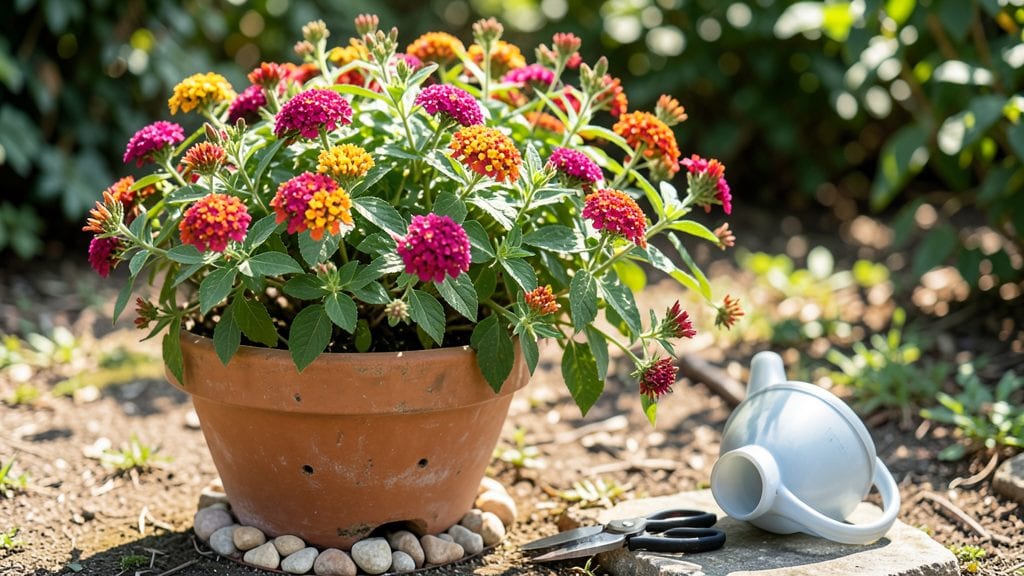
Container gardening for full sun isn’t just possible—it’s where some of the most stunning and hardy plants thrive. 🌿 I’ve transformed my tiny balcony into a sun-drenched oasis where herbs, succulents, and flowers outperform anything I’ve grown in the ground.
The key? Matching the right plants to the heat, using containers that breathe, and watering with intention.
You don’t need a sprawling yard—just 5-gallon pots or larger, well-draining soil, and a spot that gets 6+ hours of direct sun. My go-to plants include Lantana (drought-proof and blooming nonstop), Rosemary (which actually loves the heat), and Zinnias (those vibrant blooms last all summer).
The trick is choosing containers with feet or saucers to protect roots from scorching pavement.
By mid-summer, your containers will be bursting with color and fragrance, and you’ll avoid the common pitfalls of wilting or overheating. A quick check for dry soil every morning keeps roots happy without drowning them. The best part? You can move everything indoors before frost—no replanting, no fuss.
Works for balconies, rooftops, or sunny patios—no matter your space. Let’s get those containers blazing with sun-loving plants!
📚 In This Guide
- What you need
- Instructions
- Tips and common mistakes
- Wrapping up and next steps
What you need
- ● Containers: 1–5+ containers (size depends on plant type; minimum 12" deep for most veggies/herbs, 5–10 gallons for shrubs/small trees).
- ● Drainage holes (required—no exceptions!).
- ● Lightweight options: Fabric grow bags, ceramic pots, or plastic bins (for heat retention).
- ● Growing Medium: 50–70% high-quality potting mix (avoid garden soil—it compacts!).
- ● 20–30% perlite or vermiculite (for aeration and drainage).
- ○ 10% compost or worm castings (for nutrients; optional but highly recommended).
- ● Sun-Loving Plants: Seedlings or seeds for tomatoes, peppers, lavender, rosemary, succulents, or ornamental grasses (check labels for full-sun tolerance!).
- ● Heat-tolerant varieties: Try ‘Solar Fire’ peppers or ‘Heatmaster’ tomatoes.
- ● Required: Trowel or small hand shovel
- ● Gloves (to protect from thorns or hot containers!)
- ● Watering can or hose with a gentle spray nozzle
- ● Measuring cup (for mixing soil amendments)
- ○ Optional (but helpful!): pH testing kit (to check soil acidity/alkalinity)
- ● Self-watering container (for travel or busy schedules)
- ● Mulch (straw or pebbles to retain moisture and regulate temperature)
- ● Support stakes or cages (for vining plants like cucumbers or beans)
- ● Location: A spot receiving 6+ hours of direct sunlight daily (south- or west-facing is ideal!).
- ● Access to water: Containers dry out fast in full sun—plan for frequent watering.
- ● Time commitment: 10–15 minutes daily for watering and occasional pruning.
- ● Climate awareness: In extreme heat (90°F+), use light-colored containers to reduce heat absorption.
Step-by-Step instructions for container gardening in full sun
Here's how to transform blazing-hot spaces into lush, productive container gardens.
🪴 Step 1: Select the Right Containers and Soil Mix
Choose containers with drainage holes—no exceptions. I prefer 12-18 inch diameter pots for four plants, as they provide enough root space while staying manageable. Terra cotta breathes better than plastic, but if you opt for plastic, select thicker-walled versions to prevent overheating.
Fill each container with high-quality potting mix designed for containers. Avoid garden soil—it compacts and bakes hard in full sun. Mix in 20% perlite or pumice to improve drainage and aeration. The soil should feel like a damp sponge when squeezed, not a muddy brick.
☀️ Step 2: Choose Heat-Tolerant Plants for Your Climate
Select plants rated for your hardiness zone and sun exposure. For full sun (6+ hours daily), I recommend drought-tolerant varieties like lantana, succulents, or heat-resistant herbs. Group plants with similar water needs together—mixing moisture-loving and drought-tolerant species leads to uneven care.
Check plant tags for mature size and spacing requirements. Crowding stresses plants in hot conditions. For example, a 6-inch succulent needs 12-18 inches of space to thrive, while a 1-gallon tomato plant requires 24+ inches of diameter. Space accordingly to prevent competition for water and nutrients.
💧 Step 3: Plant and Establish a Watering Routine
Remove plants from their nursery pots and loosen roots if they're circling. Dig a hole twice as wide as the root ball but only as deep as the container's original planting depth. Place the plant in, backfill with soil, and press gently to eliminate air pockets. Water immediately to settle the soil and eliminate gaps.
In full sun, watering frequency changes with temperature. I check soil moisture by sticking my finger 1-2 inches deep—if it feels dry, water thoroughly until it drains from the bottom. In 90°F+ heat, you may need to water daily, while cooler days allow for every 2-3 days. Mulch with 1 inch of gravel or bark to retain moisture and reduce evaporation.
✂️ Step 4: Monitor and Maintain for Peak Performance
Prune leggy or overgrown plants to encourage bushier growth and better airflow. For flowering plants, deadhead spent blooms to redirect energy into new growth. In extreme heat (above 95°F), provide afternoon shade with a lightweight shade cloth to prevent leaf scorch.
Fertilize every 4-6 weeks with a balanced, slow-release fertilizer. Over-fertilizing in hot weather burns roots, so always water before applying nutrients. Watch for pests like aphids or spider mites—full sun gardens attract them. Spray plants with water in the morning to dislodge pests and deter future infestations.
🌿 Step 5: Adjust for Seasonal Changes
As temperatures drop in late summer, reduce watering frequency. Plants in full sun slow their growth in cooler weather and need less moisture. If frost threatens, move containers indoors or to a sheltered area. Some heat-loving plants, like geraniums or salvias, can overwinter indoors with reduced light.
Rotate containers quarter-turn weekly to ensure even sun exposure and prevent leaning. This simple step keeps plants upright and maximizes growth. At the end of the season, clean containers with a 10% bleach solution to remove pathogens and prepare for next year’s planting.
Tips & tricks for perfect container gardening in full sun
Transforming your sun-drenched patio or balcony into a thriving garden takes more than just good intentions—it requires strategic choices that account for heat and limited space. Here are the game-changing tips that'll help you avoid common pitfalls and create a lush, productive container garden.
Container Material Matters: Terra cotta containers may look classic, but they dry out faster in full sun. If you choose terra cotta, opt for thicker-walled versions (at least 1/2 inch thick) to retain moisture longer. For plastic containers, select those with UV protection to prevent degradation from intense sunlight. I've found that fiberglass containers strike the perfect balance between moisture retention and heat resistance, especially in zones where temperatures frequently exceed 95°F.
Soil Science for Heat: The 20% perlite or pumice amendment in Step 1 isn't just about drainage—it's about creating air pockets that prevent soil from baking into a solid brick when exposed to 90°F+ temperatures. Test your soil mix by squeezing a handful: it should crumble easily when dry, not shatter like ceramic. For extra heat protection, consider adding 10% coconut coir to your mix, which holds moisture better than peat moss in high temperatures.
Plant Pairing Strategy: In Step 2, when selecting plants, think vertically as well as horizontally. Pair your 6-inch succulent with a trailing plant like sweet potato vine that will cascade over the container's edge, maximizing your limited space. This not only creates visual interest but also helps shade the soil surface, reducing moisture loss. I've had great success with combinations like lantana paired with trailing portulaca—they complement each other's water needs perfectly.
Watering Wisdom: The finger-check method in Step 3 is brilliant, but here's what nobody tells you: the time of day matters just as much as the frequency. Water your containers in the early morning (before 9:00 AM) to allow foliage to dry completely by evening, preventing fungal diseases that thrive in the humidity of full-sun conditions. For containers on south-facing patios, you may need to water twice daily during heatwaves—once in the morning and once in the late afternoon.
Pro Tips for Container Gardening For Full Sun
- Transforming your sun-drenched patio or balcony into a thriving garden takes more than just good intentions—it requires strategic choices that account for heat and limited space.
- Container Material Matters: Terra cotta containers may look classic, but they dry out faster in full sun.
- Soil Science for Heat: The 20% perlite or pumice amendment in Step 1 isn't just about drainage—it's about creating air pockets that prevent soil from baking into a solid brick when exposed to 90°F+ temperatures.
Frequently asked questions
Got questions about container gardening in full sun?
You’re not alone—balancing heat, space, and plant needs can feel tricky! Here are answers to the most common queries to help you grow with confidence.
What are the best container materials for full-sun plants?
Opt for terracotta, fiberglass, or plastic containers—they handle heat well. Terracotta breathes (great for drought-tolerant plants like succulents) but dries out faster. Plastic retains moisture longer, ideal for thirsty plants like tomatoes. Avoid metal unless it’s coated—it can scorch roots in intense sun. Pro tip: Add a light-colored container to reflect excess heat!
When is the best time to plant in full-sun containers?
Plant in early spring or late summer to avoid peak heat stress. If planting in summer, water deeply before and after and choose heat-resistant varieties (e.g., zinnias, portulaca). Morning sun is gentler than afternoon—if possible, place containers where they get 6+ hours of sun but some afternoon shade during the hottest months. Timing hack: Wait until nighttime temps stay above 50°F (10°C) to minimize shock.
How often should I water full-sun container plants?
Water daily or every other day in extreme heat (check soil moisture—top inch should be dry). Containers dry out 3x faster than ground soil! Use self-watering pots or drip irrigation for consistency. Morning watering is best to reduce evaporation. Watch for: Wilting leaves (underwatering) or yellowing (overwatering). Mulch with gravel or straw to lock in moisture.
Can I grow vegetables in full-sun containers?
Top picks: tomatoes, peppers, basil, lettuce (with afternoon shade), and herbs like rosemary. Use 5+ gallon containers for veggies (roots need space). Add compost-rich potting mix and a slow-release fertilizer. Compact varieties (e.g., ‘Tiny Tim’ tomatoes) thrive in pots. Bonus: Rotate containers weekly for even sun exposure!
How do I keep pests away from my sun-loving containers?
Prevent pests with neem oil sprays or companion planting (e.g., marigolds repel aphids). Check undersides of leaves daily for aphids or spider mites. Avoid overwatering (fungal gnats love soggy soil). For severe infestations, remove affected leaves and introduce beneficial insects like ladybugs. Quick fix: Spray plants with water + a drop of dish soap to deter soft-bodied pests.
Wrapping up and next steps
Container gardening in full sun is all about harnessing heat, choosing the right plants, and getting creative with space. With the right containers, soil, and sun-loving varieties, you can transform even a tiny balcony or patio into a vibrant oasis.
Don’t let limited space hold you back—start small, experiment with combinations, and watch your garden thrive under the sun’s glow!
Ready to dive in? Pick your favorite heat-loving plants, grab a container, and get growing today! 🌞🌱