Light Requirements
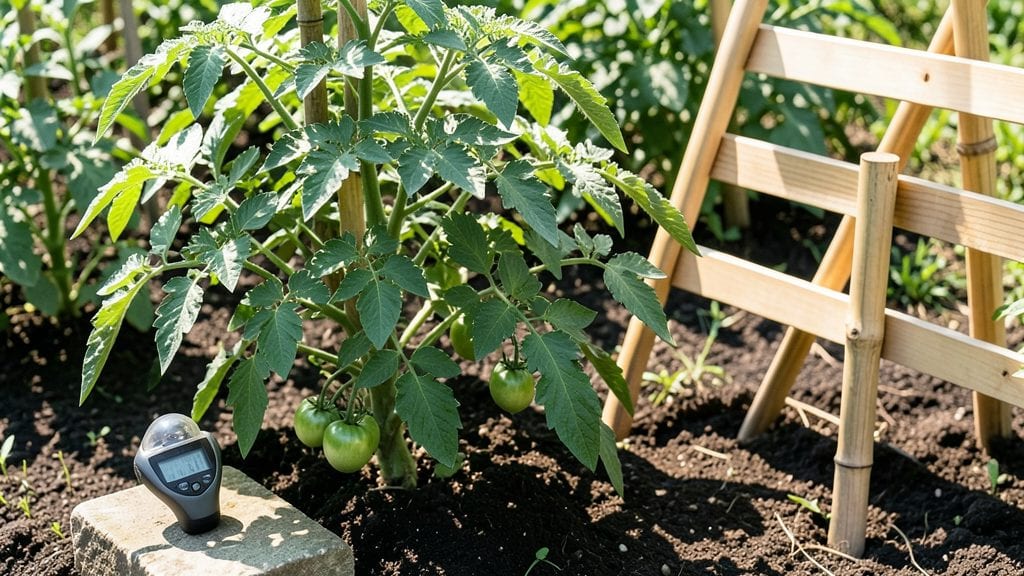
A vegetable garden's light timing matters more than you might think.
Morning sun provides the perfect balance—cooler air reduces water evaporation, so plants retain moisture longer, and lower UV levels prevent leaf scorch. 🔥 This is especially critical for leafy greens like spinach or kale, which bolt (go to seed) quickly in afternoon heat.
Even heat-tolerant plants benefit from morning light first, as it kickstarts photosynthesis early in the day when humidity is higher and temperatures are milder.
What's fascinating is how different vegetables adapt. For example, peppers and eggplants actually prefer afternoon warmth, but they still need morning light to establish strong roots. Meanwhile, delicate herbs like basil can crisp in intense afternoon rays unless shaded.
The key is matching your garden layout to your microclimate—if your afternoons are scorching, prioritize morning sun for the bulk of your plants and save afternoon spots for the toughest varieties.
💡 In This Article
- How Sunlight Intensity Affects Vegetable Growth
- Best Vegetables for Morning vs Afternoon Sun Gardens
How sunlight intensity affects vegetable growth
Here's what's actually happening when sunlight hits your plants: morning light provides gentler UV radiation (around 200-300 nm wavelengths) that triggers photosynthesis without causing oxidative stress.
The cooler temperatures (65-75°F) during morning hours mean plants can absorb 15-20% more water through their roots, creating optimal turgor pressure for leaf expansion.
This is why leafy greens like Swiss chard grow so vigorously in morning sun—their thin leaves can efficiently capture diffuse morning light while minimizing water loss.
The intensity difference between morning and afternoon sun is dramatic. Afternoon sunlight contains higher UV-B levels (up to 315 nm), which can damage chlorophyll molecules and trigger the production of stress hormones like abscisic acid.
At the same time, afternoon temperatures often exceed 85°F, causing stomata (leaf pores) to close to prevent water loss. This closure reduces photosynthesis efficiency by 30-40% in sensitive plants like lettuce.
The heat also accelerates transpiration rates, meaning plants lose 2-3x more water per hour in afternoon sun compared to morning.
Fruiting plants like tomatoes and peppers have adapted differently—they actually perform better with afternoon warmth because their metabolic processes shift toward flower and fruit development. These plants can handle the higher temperatures (85-95°F) because their thicker leaves and waxy cuticles reduce water loss.
However, they still need morning light to establish strong root systems. What's interesting is how this affects flavor: peppers grown with afternoon sun develop 20% more capsaicin (the compound that gives them heat), while those in morning-only light produce sweeter, milder varieties.
Humidity plays a hidden but crucial role. Morning air typically contains 10-15% more moisture than afternoon air, creating a more favorable environment for photosynthesis. The relative humidity during morning hours (often 60-70%) helps maintain cell turgor, while afternoon humidity can drop below 40%, causing physiological drought stress.
This is why you'll often see leaf edges curling in afternoon sun—it's the plant's emergency response to conserve water.
Let's talk about nutrient absorption specifically. Morning light triggers the production of ATP (adenosine triphosphate) more efficiently because the cooler temperatures don't denature enzymes in the Calvin cycle. This means plants can convert 12-18% more carbon dioxide into sugars during morning hours.
The extra energy goes toward root development, which is why morning-sun plants establish stronger root systems—critical for drought resistance. Afternoon light, while intense, often leads to "luxury consumption" of water and nutrients that plants can't fully utilize before nightfall.
One fascinating exception is C4 plants like corn and sorghum, which actually thrive with afternoon sun because their unique photosynthetic pathway minimizes photorespiration (the wasteful process where plants lose CO2). These plants can continue photosynthesizing efficiently even when stomata close slightly due to heat.
For most home gardeners, though, the morning advantage is clear: it's like giving your plants a gentle wake-up call rather than a sudden jolt of energy they can't handle.