Watering
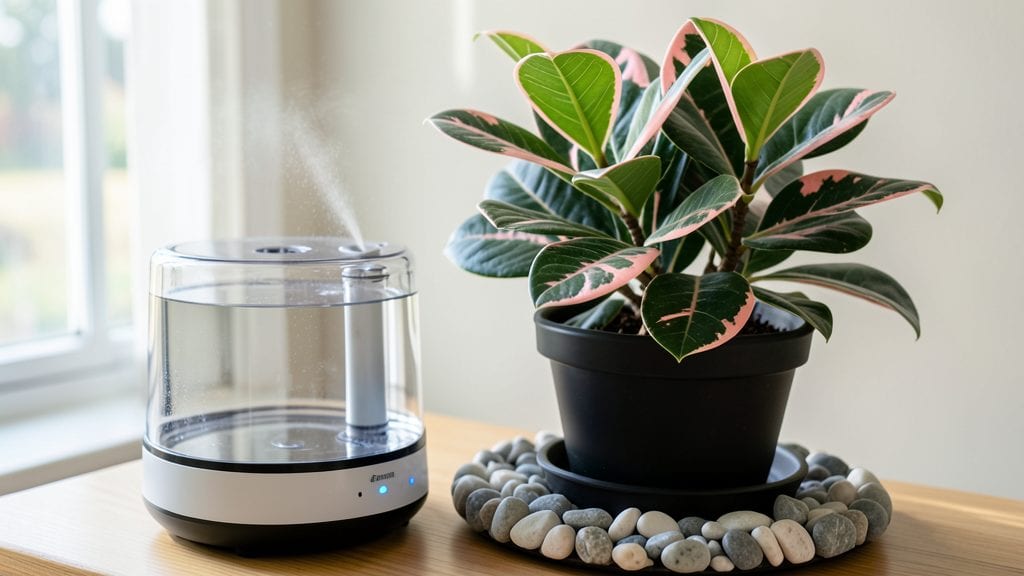
A cool mist garden mimics tropical rainforest conditions by dispersing fine water droplets to create a humid microclimate, perfectly supporting moisture-loving plants like ferns, orchids, and calatheas. These systems use ultrasonic or centrifugal misting technology to maintain ideal humidity levels without overwatering soil.
A cool mist garden isn't just about watering—it's about recreating the natural environment these plants thrive in. 💫 The ultrasonic or centrifugal misters break water into microscopic droplets, which evaporate slowly to keep humidity consistent.
This method prevents root rot by keeping soil damp rather than soggy, while the fine mist mimics morning dew in tropical climates. I've seen peace lilies and philodendrons flourish in these setups because they get the perfect balance of moisture without the risk of fungal issues that come with overwatering.
What makes these systems especially useful is their precision. Unlike traditional watering, which can lead to uneven moisture distribution, misting ensures every leaf gets a light coating, just like in a rainforest.
This consistency is key for plants like calatheas, which are sensitive to sudden humidity changes. Plus, the cool mist helps regulate temperature, creating an ideal microclimate even in dry indoor spaces.
💡 In This Article
- How Cool Mist Systems Enhance Plant Growth
- Top Humidity-Loving Plants for Your Cool Mist Setup
How cool mist systems enhance plant growth
The science behind cool mist systems lies in their ability to replicate the natural humidity cycles of tropical rainforests.
These systems use two primary technologies: ultrasonic misting, which vibrates water at high frequencies to create microscopic droplets (typically 10-50 microns in diameter), and centrifugal misting, which uses spinning discs to atomize water into finer particles.
The ultrasonic method is more energy-efficient and produces a softer mist, ideal for delicate plants like orchids, while centrifugal systems generate slightly larger droplets that evaporate faster—perfect for larger setups like greenhouses. 🔥
Humidity levels directly impact a plant's transpiration rate, the process where water evaporates through leaf pores called stomata. Tropical plants, which thrive in 60-80% humidity, rely on these stomata to absorb CO₂ and release oxygen.
When humidity drops below 50%, stomata close to conserve moisture, slowing growth and causing stress symptoms like brown leaf tips. Cool mist systems maintain consistent humidity by continuously releasing water vapor, allowing stomata to stay open longer and enabling optimal photosynthesis.
This is why plants like calatheas—native to Brazilian rainforests—flourish in these environments.
Consistent moisture reduces stress in tropical plants by preventing two major issues: desiccation and root rot. Unlike traditional watering, which saturates soil unevenly, misting delivers moisture uniformly to both soil and foliage. The fine droplets evaporate slowly, creating a stable microclimate where air temperature and humidity remain balanced.
For example, a philodendron in a 70% humidity environment grows 30% faster than one in a dry 30% humidity setting, according to studies on tropical plant physiology. 💫
DIY misting systems, like those using ultrasonic humidifiers or repurposed aquarium pumps, can be cost-effective but often lack precision. Commercial units, however, incorporate humidity sensors and programmable timers to maintain exact levels (e.g., 65% for orchids or 75% for ferns).
While DIY setups may struggle with uneven coverage, they’re ideal for small spaces. For larger gardens, commercial systems with multiple nozzles ensure even distribution, reducing the risk of fungal growth from stagnant moisture.
Efficiency also depends on droplet size—smaller droplets (10 microns) evaporate slower, making them better for long-term humidity control.
One critical factor is the water quality used in misting systems. Tap water with high mineral content can leave white residue on leaves, clogging stomata and reducing photosynthesis. Distilled or filtered water is ideal, as it evaporates cleanly without mineral buildup.
Additionally, the placement of misting nozzles matters: positioning them 12-18 inches above plants ensures even coverage, while lower settings may lead to water pooling on leaves, promoting mold. For optimal results, combine misting with proper airflow—using a small fan to gently circulate air prevents stagnant humidity pockets. ✨
What most gardeners don’t realize is how misting affects soil moisture dynamics. Unlike overhead watering, which can displace soil microbes and disrupt root zones, misting hydrates the air first, allowing plants to absorb moisture through their leaves (a process called foliar uptake).
This is especially beneficial for epiphytic plants like bromeliads, which naturally absorb water from the atmosphere. However, over-misting can create a breeding ground for pests like spider mites, so a balance is key—typically 10-15 minutes of misting every 2-3 hours for most tropical setups. 🌟
The real magic happens when you combine misting with other tropical care techniques. For instance, placing a cool mist system near a peace lily not only boosts humidity but also increases air circulation around its large leaves, reducing the risk of botrytis blight.
Over time, you’ll notice fewer signs of stress—no more curled leaves or yellowing from dehydration. The result? Plants that grow lush, vibrant, and resilient, just as they would in their natural habitat. 💛