Landscaping
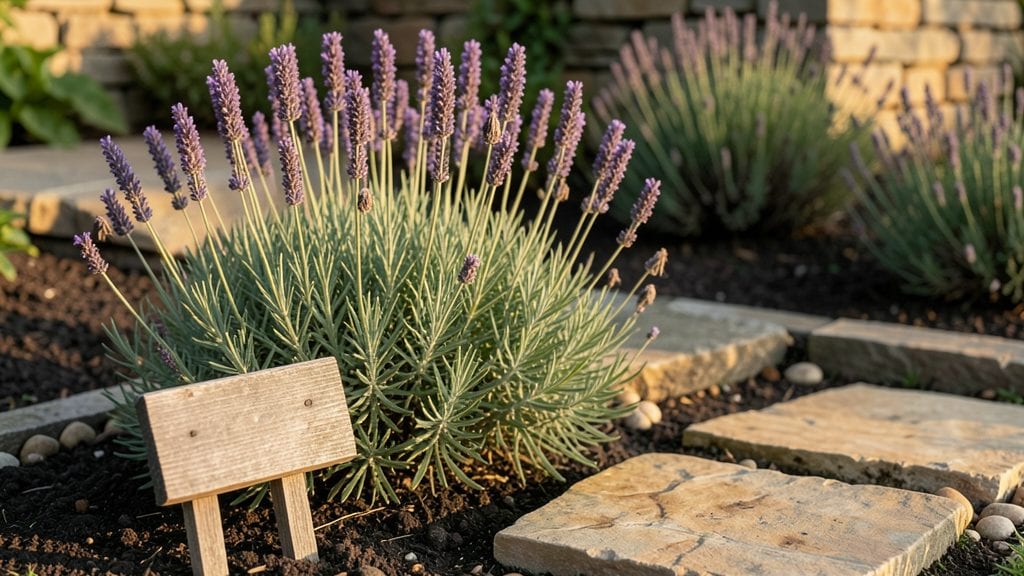
A cremation garden design becomes more than just landscaping—it becomes a living tribute where every plant tells a story. 🌿 I’ve designed these spaces for families who want their loved one’s memory to grow alongside the seasons, using pathways that invite quiet reflection and plants that carry deep meaning.
The right layout turns a simple yard into a sanctuary where visitors can walk, sit, and feel close to someone who’s gone.
Think of it as a layered experience: a winding path lined with sunflowers for joy and remembrance, a bench tucked beneath a weeping cherry for peaceful moments, or a small water feature where the sound of moving water creates a sense of calm.
Low-maintenance plants like lavender or drought-resistant succulents keep the space vibrant without demanding constant care—because this garden should nurture memories, not stress.
What makes it special is how personal it feels. A scattering of native wildflowers might represent a loved one’s love of nature, while a stone marker with their name carved into it becomes part of the landscape.
The goal isn’t perfection—it’s creating a place where every visit feels like a conversation with someone who’s still with you in spirit.
Whether you’re working with a small urban plot or a sprawling backyard, the principles stay the same: thoughtful plant choices, intentional pathways, and materials that weather the elements gracefully. Let’s bring this vision to life—one meaningful detail at a time.
📚 In This Guide
- What you need
- Instructions
- Tips and common mistakes
- Wrapping up and next steps
What you need
- ● Soil & Amendments: Topsoil (2–3 cubic yards, depending on garden size)
- ● Compost or organic matter (1–2 bags, for nutrient-rich soil)
- ● Mulch (2–3 bags, to retain moisture and suppress weeds)
- ● Plants & Symbolic Flora: Perennials (e.g., lavender, roses, or lilies—5–10 plants, based on design)
- ● Shrubs or small trees (e.g., cherry blossoms, cypress—1–3 plants)
- ● Ground cover (e.g., creeping thyme or clover—enough to fill gaps)
- ● Herbs (e.g., rosemary, sage—3–5 plants, for symbolic meaning)
- ● Hardware & Structures: Garden borders (stone, brick, or metal—linear feet based on garden shape)
- ● Urns or memorial markers (1–2, for personalization)
- ○ Garden stakes or labels (optional, for plant identification)
- ● Tools: Shovel & trowel (for digging and planting)
- ● Garden hose or sprinkler (for watering)
- ● Pruners (for shaping plants)
- ● Wheelbarrow (for moving soil and materials)
- ● Gloves & knee pads (for comfort)
- ● Solar-powered lights (for evening ambiance)
- ● Wind chimes or a small fountain (for soothing sounds)
- ● Personalized engraved stones or plaques (for extra meaning)
- ● Seasonal flowers (e.g., daffodils, sunflowers—add as needed)
- ● Bench or seating area (for quiet reflection)
Instructions for designing a cremation garden with intentional plant symbolism
Here's how to create a meaningful memorial space that honors life through nature's quiet language.
🌿 Step 1: Choose a Sacred Location and Layout
Select a spot that feels peaceful and meaningful—perhaps where sunlight filters through trees at dawn or where a gentle breeze carries whispers. I always start with a circular or winding path (about 10-15 feet in diameter) to symbolize eternity and the journey of life. Mark the area with stakes and string to visualize the space before digging.
Consider the garden's orientation: place a central focal point (like a bench or memorial stone) where you can sit and reflect. The path should lead naturally to this center, inviting quiet contemplation. If space allows, add a small water feature (a simple stone basin or bubbling fountain) to represent renewal and the flow of time.
🌱 Step 2: Select Plants With Personal and Symbolic Meaning
Every plant in this garden should carry significance—whether tied to the person's life, beliefs, or natural world. For example, white lilies symbolize purity and rebirth, while sunflowers represent joy and loyalty. I like to include evergreens (like boxwood or juniper) for enduring love, paired with seasonal blooms for fleeting beauty.
Group plants by meaning rather than just aesthetics: cluster lavender (calmness) near the seating area, plant roses (love and remembrance) along the path, and add wildflowers (freedom) in a naturalized corner. Include at least one plant native to the region to honor the land itself. Check each plant's mature size to ensure the design remains balanced over time.
☀️ Step 3: Create Layers of Memory Through Planting Zones
Divide the garden into three distinct zones to tell a story: a gateway area (plants representing life), a central memorial space (symbolizing transition), and a peripheral area (plants for healing and renewal). For the gateway, use tall grasses or flowering shrubs (like hydrangeas) to frame the entrance.
The central zone should feature low-growing perennials (like creeping thyme or ajuga) around the memorial stone, with one standout plant (such as a dwarf conifer or ornamental grass) as the focal point. In the peripheral area, plant fast-growing annuals (like cosmos or zinnias) to add color and movement. This layered approach ensures the garden evolves with the seasons while maintaining its emotional depth.
✂️ Step 4: Add Functional and Spiritual Elements
Incorporate elements that invite interaction and reflection: a small wooden plaque with the person's name and dates, a wind chime to mark the passage of time, or a stone mosaic with a favorite quote. I always include a small tool station (a rustic shelf with pruners, gloves, and a watering can) to encourage visitors to tend the garden as part of their remembrance.
Consider adding a sensory element, like a fragrant herb garden (lavender, rosemary, or mint) near the seating area. The act of brushing fingers through leaves or inhaling their scent can be deeply comforting. Place a small lantern or solar light along the path to guide visitors in twilight hours, symbolizing hope and guidance.
🪴 Step 5: Maintain the Garden as a Living Tribute
Create a simple care guide for visitors or family members to follow, including watering schedules (deep watering twice weekly in dry seasons) and seasonal tasks (pruning in early spring, adding mulch in fall). I recommend labeling plants with their meanings on small wooden tags—this turns maintenance into an act of connection.
The garden should feel alive but not overwhelming. Encourage visitors to add a single bloom each season or write a note on a nearby board to leave messages for the departed. Over time, the garden will become a living tapestry of memories, where each season offers a new way to honor and remember.
Tips & tricks for sacred cremation garden design
Creating a meaningful memorial garden goes beyond just planting flowers—it's about weaving intention into every element. Here are the insights I've gathered from designing these special spaces over the years.
Symbolic Plant Pairing: In Step 2, when selecting plants, I always pair evergreens like boxwood or juniper with seasonal blooms to create visual continuity. The evergreens represent enduring love, while the seasonal flowers add fleeting beauty that changes with each visit. For example, place sunflowers near the entrance to greet visitors with joy, while lavender near the seating area invites calm reflection. The contrast between these plants creates emotional depth that's impossible to achieve with just one type.
Pathway Precision: The 10-15 foot diameter circular or winding path in Step 1 isn't just about aesthetics—it's about creating a meditative journey. I recommend using flat stones or stepping stones that visitors can walk on without disturbing the surrounding plants. This allows people to move through the space intentionally, pausing at meaningful points along the path. Consider adding subtle markers like small stones or plant tags at key locations to guide visitors through the garden's emotional narrative.
Layered Storytelling: When creating the three planting zones in Step 3, think about the emotional journey you want visitors to experience. The gateway area should feel welcoming, the central space should evoke contemplation, and the peripheral area should offer hope. I often use tall grasses or hydrangeas at the entrance to create a natural frame that invites people into the space. In the central zone, low-growing perennials around the memorial stone create an intimate space for quiet reflection, while the peripheral area's fast-growing annuals add movement and color that symbolizes renewal.
Interactive Elements: The functional elements in Step 4 are where the garden truly becomes a living tribute. I always include a small tool station with pruners and gloves to encourage visitors to participate in the garden's care. This transforms maintenance from a chore into an act of connection. The fragrant herb garden near the seating area is particularly powerful—studies show that inhaling lavender or rosemary scents can reduce stress and create a sense of peace. Place these herbs where visitors will naturally pause and linger.
Pro Tips for Cremation Garden Design
- Creating a meaningful memorial garden goes beyond just planting flowers—it's about weaving intention into every element.
- Symbolic Plant Pairing: In Step 2, when selecting plants, I always pair evergreens like boxwood or juniper with seasonal blooms to create visual continuity.
- Pathway Precision: The 10-15 foot diameter circular or winding path in Step 1 isn't just about aesthetics—it's about creating a meditative journey.
Frequently asked questions
Got questions about transforming your cremation garden into a serene, meaningful space? Here are some of the most common concerns—and their thoughtful answers—to guide you along the way.
What’s the best time of year to plant a cremation garden?
The ideal time depends on your climate, but spring or early fall are typically best. Spring allows plants to establish roots before summer heat, while fall planting avoids drought stress. If you’re scattering ashes, wait until soil temperatures are mild (usually after the last frost). Check local planting zones for precision timing!
Can I scatter ashes anywhere in my garden, or are there rules?
Rules vary by location! Some areas require biodegradable urns or permit only specific zones (like wooded areas). Always check local regulations—many parks or nature preserves have strict guidelines. For home gardens, avoid direct contact with edible plants or water sources. When in doubt, a cremation garden urn buried at the roots of a tree is a beautiful, contained option.
What plants symbolize love, remembrance, or peace for cremation gardens?
Choose plants with personal or cultural significance:
- Love: Roses (especially red or pink), lavender, or hibiscus.
- Remembrance: Lilies (symbolizing restored soul), forget-me-nots, or white lilacs.
- Peace: Peace lilies, jasmine, or bamboo (for tranquility).
Native plants are low-maintenance and support local ecosystems—win-win!
How do I keep pests or weeds from overrunning my cremation garden?
Start with mulch (wood chips or straw) to suppress weeds and retain moisture. Plant pest-resistant varieties like marigolds (deter insects) or mint (keeps critters away). Regularly prune overgrowth and consider drip irrigation to reduce manual watering. A little planning goes a long way in preserving your sacred space!
Are there alternatives to traditional garden beds for cremation memorials?
Consider:
- Tree planting: Bury ashes at the base of a tree (like an oak or willow) for long-term growth.
- Rock gardens: Scatter ashes among stones with drought-tolerant succulents.
- Water features: Float biodegradable urns in a pond or fountain.
- Container gardens: Use urns as planters for herbs or flowers.
Get creative—your memorial should reflect their personality!
Wrapping up and next steps
Designing a cremation garden is a deeply personal way to honor a loved one while creating a serene, meaningful space. By incorporating symbolic plants, thoughtful layouts, and natural elements, you’re crafting a living tribute that tells their story.
Whether you’re just starting or refining your vision, every choice—from native flowers to peaceful pathways—adds layers of comfort and connection.
Ready to bring your garden to life? Start by sketching a rough design, gathering your materials, and planting with intention. Let this sacred space grow into a place of reflection, healing, and enduring love. 🌿✨