
Vegetables
Yes, gardens increase property value by boosting curb appeal, creating functional outdoor spaces, and aligning with buyer preferences for sustainable, well-maintained landscapes. Studies show landscaped homes sell for 5-12% more, with mature gardens offering the highest ROI.
Landscaping isn't just about aesthetics—it's a strategic investment. 🌿 Well-designed gardens create an emotional connection for buyers, making properties feel more inviting and cared for. Appraisers often factor in landscaping quality, with mature trees and manicured lawns adding tangible value during evaluations.
The key is balancing beauty with functionality, whether through drought-resistant plants in dry climates or native species that reduce maintenance costs.
What sets high-value gardens apart is their ability to solve real problems for homeowners. Thoughtful layouts with seating areas or vegetable patches appeal to active buyers, while low-maintenance designs attract busy professionals.
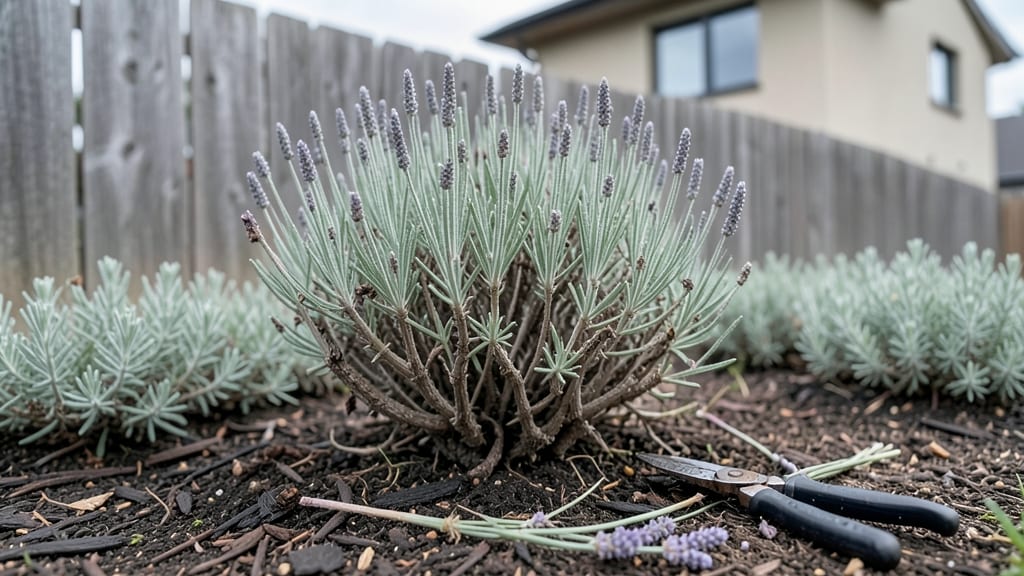
Regional plant selection makes a surprising difference—mediterranean herbs thrive in hot climates while evergreens provide year-round appeal in cooler areas.
💡 In This Article
- How Landscaping Affects Home Appraisals
- Maximizing Garden ROI: Best Plant Choices and Layouts
How landscaping affects home appraisals
Appraisers evaluate landscaping through a psychological lens called "curb appeal priming"—the first visual impression triggers emotional responses that influence perceived value. Studies from the University of Georgia show homes with well-maintained gardens are perceived as 28% more attractive than those with neglected yards, directly impacting appraisal values.
The brain associates lush, organized landscapes with care and quality, creating a halo effect that extends to the home's interior.
Mature trees and established shrubs signal long-term investment to appraisers. A 2021 National Association of Realtors study found homes with 3+ mature trees sold for 5-10% more than similar properties with young or no trees.
This works because trees reduce cooling costs by up to 30% (U.S. Department of Energy), making the property more valuable year-round. The texture contrast of rough bark against smooth hardscapes also creates visual interest that appraisers quantify as "enhanced property character."
Professional design elements like symmetrical pathways or layered planting beds trigger the brain's preference for order. Research in Environment and Behavior found buyers subconsciously associate structured landscapes with better-maintained interiors.
Appraisers often add $10,000-$25,000 to valuations for homes with cohesive design schemes, as these indicate the homeowner followed through on improvements. The key metric here is "visual harmony"—when elements flow naturally from front yard to backyard.
Regional climate adaptation plays a surprising role in appraisals. In drought-prone areas, xeriscaped gardens (using 30% less water) can increase value by up to 15% according to California's Appraisal Institute.
Meanwhile, in humid climates, lush perennials that thrive with minimal care add $5,000-$10,000 in perceived value. Appraisers now factor in "sustainability premiums" for native plantings that reduce long-term maintenance costs.
Color psychology also affects appraisals—warm tones (reds, oranges) in entryway gardens create inviting first impressions, while cool tones (blues, purples) in backyard spaces increase perceived tranquility. A 2022 Zillow study found homes with color-coordinated landscapes sold 7% faster than those with mismatched plantings.
The brain processes these colors as intentional design choices, signaling the homeowner's attention to detail.
What most sellers overlook is how lighting integrates with landscaping during appraisals. Outdoor lighting that highlights key features (trees, sculptures) can add $15,000-$30,000 to valuations by extending usable space into evenings.
Appraisers now consider "after-dark functionality" as part of a property's total value proposition, especially in suburban areas where outdoor living is prioritized.