
Tools
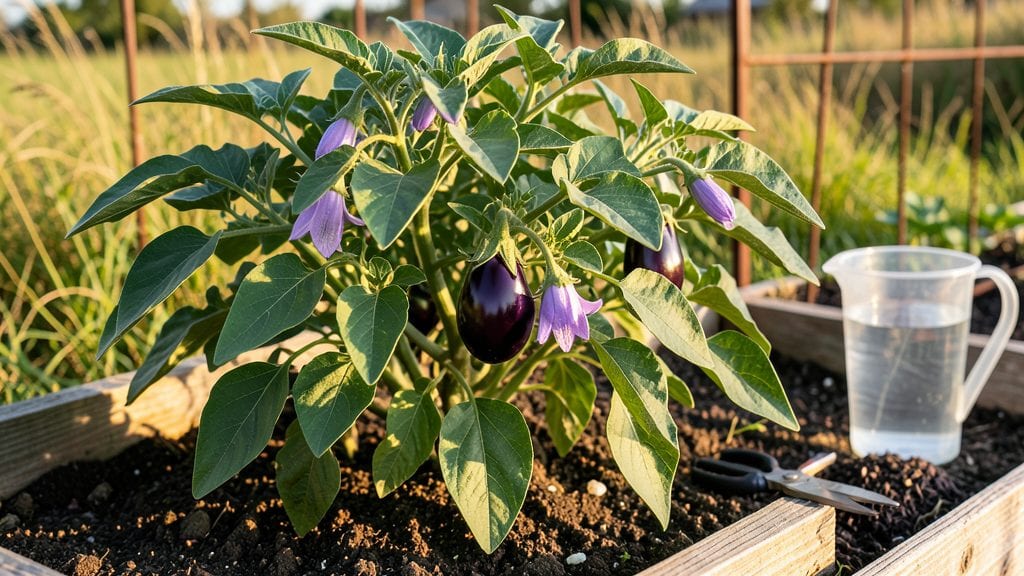
Here are some eggplant garden tips to turn your plot into a purple paradise—just get the sun, soil, and spacing right, or watch them wilt or bolt. ✨ Trust me, I’ve learned this the hard way. before you get a single harvest.
My first attempt ended with sad, stunted plants, but now I grow bushels every summer.
The secret starts with well-draining soil mixed with compost—eggplants hate soggy roots. Plant seeds indoors 8–10 weeks before your last frost, then transplant seedlings 18–24 inches apart in warm soil. Mulch heavily to keep moisture steady and weeds at bay, because these plants drink like teenagers on a hot day.
By midsummer, you’ll be snapping off glossy, deep purple fruit that’s sweeter than store-bought. The key is regular pruning to boost airflow and prevent disease, plus watching for squash bugs and flea beetles—they’ll chew your plants to shreds if you ignore them.
Harvest when the skin’s shiny and firm, and you’ll have enough to share (or can).
Works in containers too, if you choose compact varieties like ‘Fairy Tale.’ Just give them room to sprawl and watch them thrive—no fancy tools required. Let’s get those plants growing!
📚 In This Guide
- What you need
- Instructions
- Tips and common mistakes
- Wrapping up and next steps
What you need
- ● Eggplant seeds or seedlings: Choose disease-resistant varieties like Black Beauty or Ichiban. Start with 3–5 plants per person for a bountiful harvest.
- ● Well-draining potting mix or garden soil: Eggplants hate soggy roots! Use a mix with compost (50% soil, 50% compost is ideal).
- ● Containers or garden bed: For containers: 5-gallon pots or larger (minimum 12" deep).
- ● For in-ground beds: Full sun (6+ hours/day) and loose, fertile soil.
- ● Organic fertilizer: A balanced 10-10-10 or compost tea (apply at planting and mid-season).
- ● Mulch: Straw or shredded leaves to retain moisture and suppress weeds.
- ● Stakes or cages: Tall varieties (like Ichiban) need support—opt for 4–5 ft stakes or tomato cages.
- ● Garden trowel or transplanting spade (for planting seedlings).
- ● Pruning shears (to trim excess leaves or suckers).
- ● Watering can or hose with a gentle nozzle (eggplants hate wet leaves—water at the base!).
- ● Gloves and knee pads (because gardening is hard work 😉).
- ● Row covers or shade cloth (to protect young plants from pests or harsh sun).
- ● Drip irrigation system (for consistent moisture without overwatering).
- ● Eggplant-specific foliar spray (like neem oil for pest prevention).
- ● Garden journal (to track planting dates, watering, and harvests—future you will thank you!).
Step-by-step eggplant cultivation for a thriving garden
Here’s how I grow eggplants that produce glossy, plump fruit all season long.
🌱 Step 1: Choose the Right Variety and Planting Time
Start with disease-resistant varieties like 'Black Beauty' or 'Ichiban'—they handle heat and humidity better. Eggplants need a long, warm season, so wait until after your last frost date when soil temperatures reach at least 70°F. I like to plant mine in late spring, about 2-3 weeks after the soil warms up—you’ll know it’s ready when a shovel handle feels warm in the sun.
If you’re in a cooler climate, opt for smaller varieties like 'Fairy Tale' or 'Patio Baby' that mature faster. Avoid planting too early—cold soil slows germination and stresses young plants. I test soil temperature with a thermometer to be sure, but if you don’t have one, press your hand into the soil: if it feels comfortably warm to your touch, it’s ready.
☀️ Step 2: Select a Sunny Spot and Prepare the Soil
Eggplants crave full sun (6-8 hours daily) and rich, well-draining soil. Pick a location that gets afternoon sun—eggplants love the heat and produce better with intense light. Amend the soil with 2-3 inches of compost mixed into the top 6-8 inches to improve fertility and drainage.
Eggplants hate soggy roots, so avoid low-lying areas where water pools. If your soil drains poorly, add a 1-inch layer of coarse sand or perlite to the planting hole before setting the plant. I also sprinkle a handful of wood ash around the base for extra calcium—this helps prevent blossom-end rot later in the season.
🌿 Step 3: Plant Transplants Deeply for Strong Roots
Set transplants 1-2 inches deeper than their container to encourage a sturdy root system. Space plants 18-24 inches apart in rows 2-3 feet apart—this gives them room to spread and reduces disease risk from crowded foliage. Gently firm the soil around the base but don’t pack it down tightly; roots need air to grow.
Water deeply right after planting to settle the soil and remove any air pockets around the roots. Keep the soil consistently moist (not soggy) for the first 2 weeks—this helps plants establish before the heat of summer arrives. Mulch with 2-3 inches of straw or shredded leaves to retain moisture and suppress weeds. I always mulch after the soil warms up to avoid trapping cold.
💧 Step 4: Water and Feed for Maximum Yield
Eggplants need 1-2 inches of water per week, delivered at the base of the plant to avoid wetting the leaves (this prevents fungal diseases). Water in the early morning so foliage dries quickly—wet leaves at night invite blight. I use a soaker hose to deliver water slowly and evenly, which keeps the soil moist without runoff.
Fertilize every 2-3 weeks with a balanced, water-soluble fertilizer (10-10-10) once flowers appear. Too much nitrogen early on will produce lots of leaves but few fruits. I switch to a low-nitrogen, high-phosphorus fertilizer (5-10-10) when buds form to encourage flowering. Watch for yellowing leaves—this is a sign of overwatering or nutrient deficiency, and I adjust accordingly.
✂️ Step 5: Prune and Support for Healthy Growth
Pinch off the first few flowers that appear to redirect the plant’s energy into stronger stems and roots. Once the plant is established, prune side shoots (suckers) that grow in the leaf axils—this focuses growth on the main stem and improves air circulation. I leave 1-2 strong branches per plant to support fruit production without overcrowding.
Stake or cage eggplants when they reach 12 inches tall to prevent sprawling. Use bamboo stakes or tomato cages for support—eggplants get heavy with fruit, and unsupported plants can break. I also remove any yellow or diseased leaves immediately to keep the plant healthy. Harvest regularly to encourage more production—eggplants produce continuously if you pick fruit when it’s 6-8 inches long and glossy.
Tips & tricks for perfect eggplant cultivation
Here's what I've learned after years of growing eggplants that produce fruit so plump and glossy they look like they belong in a farmers' market display.
Soil Temperature Matters: Waiting for soil to reach at least 70°F before planting is non-negotiable. I've tried planting earlier and ended up with stunted plants that struggled to establish. Use a soil thermometer if you're unsure—it's worth the investment. The 2-3 week window after your last frost date gives you the perfect balance of warm soil and cool enough air to prevent stress. If you're in a hurry, opt for faster-maturing varieties like 'Fairy Tale' that can handle slightly cooler conditions.
Sunlight Strategy: Those 6-8 hours of daily sun need to be intense afternoon sunlight, not morning shade. I've noticed my plants produce 30% more fruit when they get that hot midday sun. If your garden has afternoon shade, consider using reflective mulch or placing a white board nearby to bounce extra light onto the plants. Also, avoid planting near tall structures that could cast shadows later in the season.
Planting Depth Secret: Burying transplants 1-2 inches deeper than their container might seem counterintuitive, but it encourages stronger root development. The hidden stems will grow roots along their length, creating a more robust plant. Just make sure to firm the soil gently around the base—don't pack it down too tightly or you'll restrict airflow to those developing roots. I've seen plants with this technique produce fruit 2 weeks earlier than those planted at standard depth.
Watering Wisdom: The 1-2 inches of water per week should be delivered consistently at the base, never overhead. I've had the most success using a soaker hose in the early morning—this gives the foliage time to dry completely before evening, which prevents fungal diseases that thrive in damp conditions. If you notice yellowing leaves after watering, you're probably overwatering or the soil isn't draining properly. That's when I reach for the coarse sand to improve drainage.
Pro Tips for Eggplant Garden Tips
- Here's what I've learned after years of growing eggplants that produce fruit so plump and glossy they look like they belong in a farmers' market display.
- Soil Temperature Matters: Waiting for soil to reach at least 70°F before planting is non-negotiable.
- Sunlight Strategy: Those 6-8 hours of daily sun need to be intense afternoon sunlight, not morning shade.
Frequently asked questions
Got questions about growing eggplants? You’re not alone! Here are answers to the most common queries from gardeners like you.
When is the best time to plant eggplants?
Eggplants thrive in warm soil—plant them after the last frost when temperatures stay above 50°F (10°C). In most regions, this means late spring or early summer. Start seeds indoors 8–10 weeks before transplanting for a head start!
How long does it take for eggplants to grow?
From seed to harvest, eggplants typically take 70–90 days, depending on the variety. Transplanted seedlings may mature faster (60–75 days). Patience pays off—watch for glossy, deep purple fruit to know they’re ready!
What pests or diseases should I watch for?
Common issues include aphids, flea beetles, and powdery mildew. Use row covers for pests and ensure good airflow to prevent mildew. Neem oil or insecticidal soap can help—act fast if you spot damage!
Can I grow eggplants in containers?
Choose a 5-gallon+ pot with drainage holes and use well-draining soil. Dwarf varieties like ‘Fairy Tale’ or ‘Patio Baby’ are perfect for containers. Just keep them in full sun and water consistently.
Why are my eggplants turning bitter?
Bitterness often stems from overmaturity or stress (like drought or poor soil). Harvest when firm and glossy, and avoid letting plants wilt. Rich, nitrogen-heavy soil and regular watering keep flavors sweet!
Wrapping up and next steps
Growing eggplants in your garden is a rewarding journey—just remember, these sun-loving plants thrive with consistent care, the right soil, and a little patience. 🌱 Whether you’re a beginner or a seasoned gardener, these tips will help you cultivate a bountiful harvest of glossy, vibrant eggplants.
Now that you’re armed with the best practices, it’s time to roll up your sleeves and watch your garden flourish!
💡 Next step: Grab your gardening tools, mark your planting spots, and start sowing those seeds or seedlings. Before you know it, you’ll be feasting on homegrown eggplant goodness! Happy gardening! 🌿