Landscaping
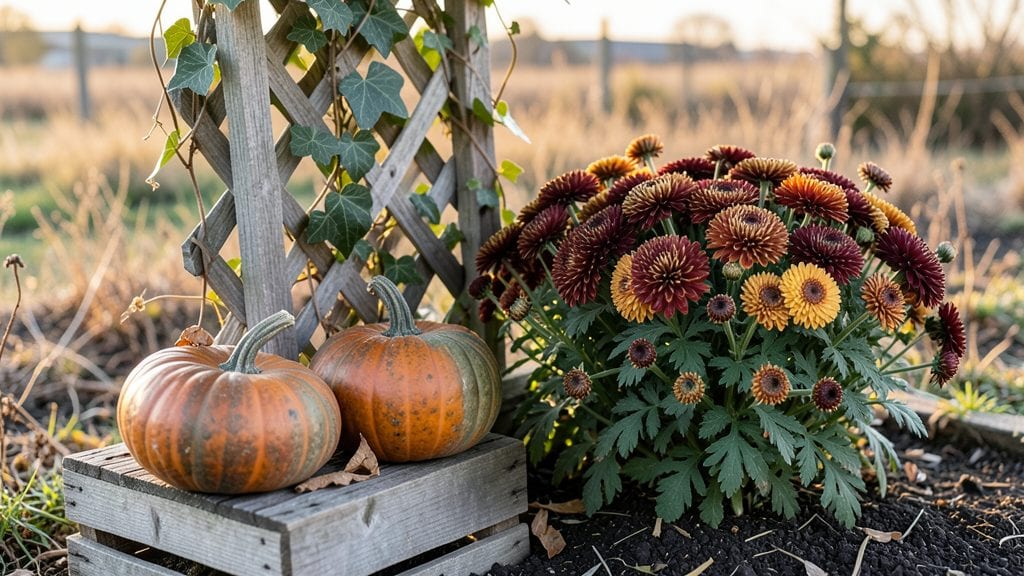
Fall garden design transforms your yard into a showstopper when most gardens fade away. 🌿 I learned the hard way that skipping seasonal prep means dull beds by October—until I discovered how layers of color, texture, and function keep things vibrant until frost.
The secret isn't just pumpkins and mums; it's mixing evergreens, late-blooming perennials, and even cold-hardy veggies for a garden that feels alive, not abandoned.
Start with a bold color palette—think deep burgundies, golden yellows, and silvery foliage—that pops against crisp air. Add structural plants like ornamental grasses and shrubs for height, then fill gaps with seasonal bloomers like asters and chrysanthemums.
Even a small patio can shine with container combos of pansies, kale, and mini pumpkins. The key? Three layers: tall plants for drama, mid-height for texture, and low growers to tie it all together.
By late fall, your garden will be the neighborhood envy—lush, structured, and full of life when others are bare. You'll harvest late tomatoes, enjoy cut flowers indoors, and watch birds feast on seed heads.
The best part? This design carries over into winter with evergreens and dried stems, so you're never starting from scratch again. Let's make your yard the fall highlight!
Works for any space—urban balconies, suburban backyards, or rural acreages—and adapts to your climate. Whether you're planting now or sketching plans, these layers ensure your garden stays stunning through the season. Ready to get started?
📚 In This Guide
- What you need
- Instructions
- Tips and common mistakes
- Wrapping up and next steps
What you need
- ● Plants: 10–20 fall-blooming perennials (e.g., mums, asters, sedum, or heuchera)
- ● 5–10 ornamental grasses (e.g., fountain grass, maiden grass)
- ● 3–5 shrubs with seasonal color (e.g., hydrangeas, barberry, or viburnum)
- ○ Optional: 1–2 evergreens (e.g., boxwood, holly, or pine) for structure
- ● Mulch: 2–3 bags organic mulch (e.g., shredded bark, straw, or wood chips)
- ● Soil & Fertilizer: 1 bag slow-release granular fertilizer (10-10-10 or similar)
- ○ 1 bag compost or soil amendment (optional for nutrient boost)
- ○ Hardscaping (Optional but Recommended): 1–2 garden stones or stepping stones (for pathways)
- ● 1–3 wooden planters or raised beds (for elevated planting)
- ● 1–2 decorative pots (for container gardening)
- ● Tools: 1 garden trowel
- ● 1 pruners (bypass or anvil)
- ● 1 hand shovel
- ● 1 wheelbarrow (for hauling materials)
- ● 1 gloves (gardening or work gloves)
- ● 1 watering can or hose with nozzle
- ○ Optional: soil pH tester or moisture meter
- ○ Decor (Optional): 1–2 garden stakes or labels (for plant identification)
- ● 1–3 seasonal decor items (e.g., pumpkins, gourds, or hay bales)
- ● 1–2 string lights or lanterns (for ambiance)
Instructions for crafting a stunning fall garden layout
Here's how to layer your garden for maximum seasonal impact—starting with fall's bold colors and textures.
🌿 Step 1: Plan Your Foundation Layer
Begin with perennial shrubs and ornamental grasses as your structural base. These plants provide year-round interest and anchor the design. I like to place evergreens like boxwood or holly at the back for contrast against fall's fiery hues. Their deep green foliage makes autumn colors pop even more.
For height variation, mix in sun-loving perennials like black-eyed Susan or coneflower. These thrive in full sun and bloom profusely in fall, extending your seasonal display. Arrange them in odd-numbered groupings—three or five plants per cluster—for a natural, balanced look. Space them 18-24 inches apart to allow airflow and prevent disease.
🌱 Step 2: Add Seasonal Accents with Bulbs and Annuals
Now’s the time to tuck in fall-blooming bulbs like dahlias or chrysanthemums for instant color. I plant these in clusters of 5-7 bulbs for a dramatic effect, choosing varieties with different bloom times to extend the season. For example, early-blooming dahlias pair beautifully with late-season asters.
Use mounding annuals like ornamental kale or pansies to fill gaps and add texture. These thrive in cooler weather and come in vibrant fall shades of burgundy, gold, and deep purple. Place them in front of taller perennials to create depth. Water them every 2-3 days until established, then reduce to once weekly once roots develop.
☀️ Step 3: Incorporate Foliage and Structural Elements
Add deciduous shrubs like viburnum or serviceberry for layered interest. Their fall foliage transitions from green to fiery red or orange, creating a natural progression of colors. Prune them lightly in early spring to encourage bushy growth, but avoid heavy cuts now—you’ll miss their seasonal display.
Weave in structural elements like trellises or arbors draped with climbing roses or clematis. These add vertical interest and frame the garden beautifully. Place them near seating areas so you can enjoy the seasonal changes up close. Mulch the base with 3-4 inches of shredded bark to retain moisture and suppress weeds.
✂️ Step 4: Refine with Edging and Finishing Touches
Define your beds with low edging plants like creeping thyme or sedum. These stay compact, bloom in fall, and deter weeds naturally. I use a handheld edging tool to create clean lines between lawn and garden, which makes the design look polished and intentional.
Finally, add seasonal accents like pumpkins, gourds, or dried corn stalks. Place them strategically near seating areas or entryways to enhance the fall theme. These elements also provide habitat for beneficial insects, supporting your garden’s ecosystem. Step back and adjust any overcrowded areas—your goal is a harmonious blend of color, texture, and movement.
Tips & tricks for perfect fall garden design
Creating a fall garden that transitions seamlessly into other seasons requires strategic planning—and these insights will help you avoid common pitfalls while elevating your design to next-level impact.
Color Theory Matters: In Step 1, when selecting your evergreens and perennials, aim for a 60-30-10 color ratio: 60% dominant fall hues (burgundy, gold, fiery red), 30% supporting colors (deep green, bronze), and 10% accent colors (white or pale yellow). This creates visual harmony while making your autumn colors truly pop. I always sketch my color palette first—it saves time rearranging plants later.
Seasonal Layering Secret: For Step 2's bulbs and annuals, consider planting some varieties that bloom in late fall and early spring—like certain chrysanthemums or crocus. This creates a natural transition between seasons without requiring complete replanting. In my own garden, I've found that planting 30% of my fall bulbs as "bridge varieties" eliminates the winter doldrums.
Structural Element Placement: When incorporating trellises or arbors in Step 3, position them to create "garden rooms"—small enclosed spaces that draw the eye. Place one near your seating area to frame views of your fall foliage display. I use the "thirds rule" when positioning: one-third of the structure should be visible from the seating area, one-third hidden behind foliage, and one-third used for climbing plants.
Edging Pro Tip: For Step 4's finishing touches, skip the traditional straight-line edging. Instead, create a "soft edge" using low-growing perennials like creeping thyme or ornamental grasses. This organic look prevents your garden from appearing too formal while still maintaining clean lines. I use a curved edging tool to create gentle waves that follow the natural contours of my landscape.
Pro Tips for Fall Garden Design
- Creating a fall garden that transitions seamlessly into other seasons requires strategic planning—and these insights will help you avoid common pitfalls while elevating your design to next-level impact.
- This creates visual harmony while making your autumn colors truly pop.
- Seasonal Layering Secret: For Step 2's bulbs and annuals, consider planting some varieties that bloom in late fall and early spring—like certain chrysanthemums or crocus.
Frequently asked questions
Got questions about crafting a stunning fall garden design? You’re not alone! Here are answers to the most common queries—plus a few pro tips to help you nail your seasonal space.
When is the best time to start planning a fall garden?
Ideally, begin designing in early summer (June–July) to give yourself time to source plants, prep soil, and install hardscapes before fall colors peak. If you’re late, don’t stress—even late August or early September works for container gardens or quick perennials like mums and ornamental kale!
What are the easiest low-maintenance plants for a fall garden?
Opt for hardy perennials like sedum, heuchera, or Russian sage—they thrive with minimal care. For instant color, try pansies, chrysanthemums, or ornamental grasses. Evergreen shrubs (e.g., boxwood or holly) add structure with zero effort!
How can I extend my fall garden’s beauty into winter?
Layer in winter interest with bare-root trees (like dogwood or serviceberry), evergreen ground covers (e.g., wintercreeper or creeping thyme), and structural elements such as driftwood or decorative logs. Mulch with straw or pine needles to protect plants and add texture.
Is a fall garden more expensive than other seasonal designs?
Not necessarily! Focus on cost-effective swaps: Use mulch instead of pricey bedding plants, opt for local native plants (cheaper and eco-friendly), and DIY hardscapes with gravel or recycled materials. Thrift stores often have vintage garden decor for pennies!
How do I keep pests out of my fall garden without chemicals?
Try these natural deterrents:
Clean up fallen leaves and debris regularly to break pest life cycles!
Wrapping up and next steps
Designing a fall garden that dazzles year-round is all about embracing seasonal layers—from fiery foliage to evergreen structure and cozy textures. With the right plants, materials, and a dash of creativity, your outdoor space can shine as brightly in autumn as it does in spring! 🍂✨
Ready to transform your yard? Start small—pick one section to revamp this weekend, or sketch a full vision with the tips you’ve gathered. Every plant you add is a step toward a garden that feels like a warm hug, no matter the season. Happy designing! 🌿💛