
Tools
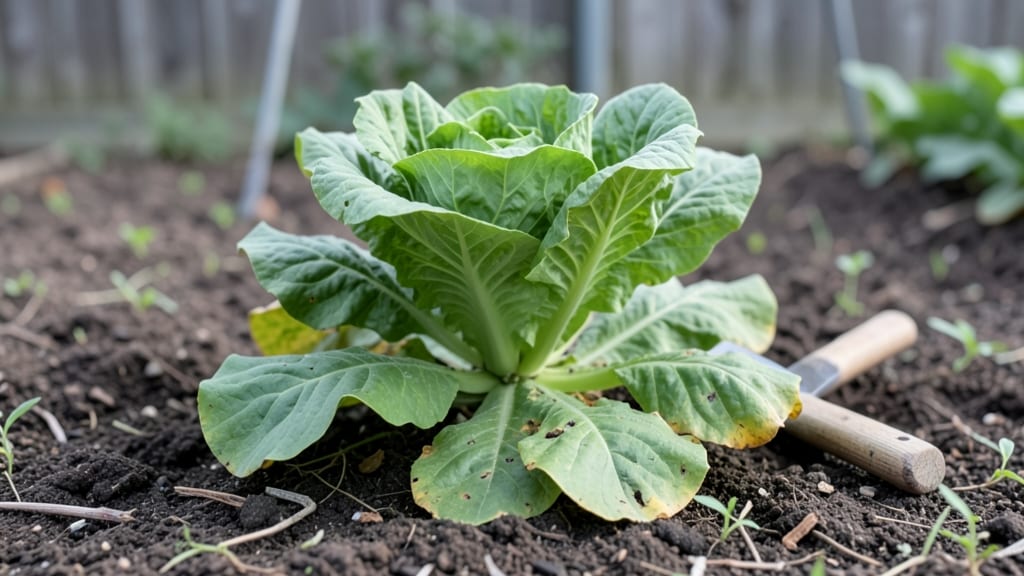
The ideal garden bed width for plant growth and accessibility is 3 to 4 feet, allowing easy reach from both sides without stepping on soil. Wider beds may require pathways, while narrower ones limit planting flexibility.
When designing your garden layout, think about how this width supports both your plants and your comfort. A 3- to 4-foot space lets you stand on either side without trampling soil, which keeps roots healthy and prevents compaction.
This also makes it easier to reach all areas for weeding and harvesting—no more awkward stretching or stepping into the bed. 🌱
For larger yards, wider beds might work if you incorporate pathways or raised sections, but narrower ones can actually help with moisture retention in hot climates.
I’ve found that 2-foot-wide beds are perfect for herbs and small vegetables, while 4-foot beds give root crops like carrots the room they need to thrive.
💡 In This Article
- How Garden Bed Width Affects Plant Health and Soil Quality
- Designing Accessible Garden Beds for Small and Large Yards
How garden bed width affects plant health and soil quality
The width of your garden bed directly impacts how plants grow by controlling soil aeration and moisture retention. Narrow beds—under 2 feet—dry out faster because they expose more surface area relative to their volume.
This forces roots to compete aggressively for water, often leading to stunted growth in plants like tomatoes or peppers that need consistent moisture. Conversely, beds wider than 4 feet create compaction issues when you walk on them, crushing soil structure and reducing oxygen flow to roots.
Here’s what’s actually happening in the soil: A 3- to 4-foot width strikes a balance. The outer edges stay moist longer due to shade from surrounding plants, while the center retains enough humidity for deep-rooted crops.
For example, carrots need 12-16 inches of soil depth to develop properly, but their roots thrive best in beds where moisture isn’t lost too quickly. 💧 Meanwhile, shallow-rooted herbs like basil or thyme can handle narrower beds because their needs are less demanding.
Soil quality also suffers in poorly proportioned beds. Compacted soil from wide beds reduces porosity, making it harder for water and nutrients to penetrate. I’ve seen beds wider than 5 feet develop hardpan layers where rainwater pools on top instead of soaking in.
This creates anaerobic pockets where roots suffocate. The solution? Raised beds or pathways break up these zones, but they’re only effective if the width is designed with these factors in mind.
Companion planting strategies also depend on width. In a 4-foot bed, you can pair tall plants like corn with low-growing squash and beans—a classic "Three Sisters" arrangement—without shading each other out. But in a 2-foot bed, you’d need to stagger planting times or choose smaller varieties.
The key factor is how plants interact: Some, like onions, release allelopathic chemicals that inhibit growth in nearby plants, so spacing matters just as much as width.
Consider the texture of your soil too. Sandy soils dry out faster, making narrow beds even more problematic, while clay soils stay moist longer but risk becoming waterlogged in wide beds. Amending the soil with 2-3 inches of compost can help, but it’s a band-aid—not a fix—for poorly designed widths.
The science is clear: Width isn’t just about space; it’s about creating an ecosystem where roots, microbes, and moisture all thrive together.
For instance, in my own garden, I noticed that 3-foot-wide beds with drip irrigation stayed consistently moist, while 5-foot-wide beds needed twice the watering frequency. The difference wasn’t just about size—it was about how the bed’s dimensions influenced every aspect of plant health, from root development to disease resistance. 🌱