Pests
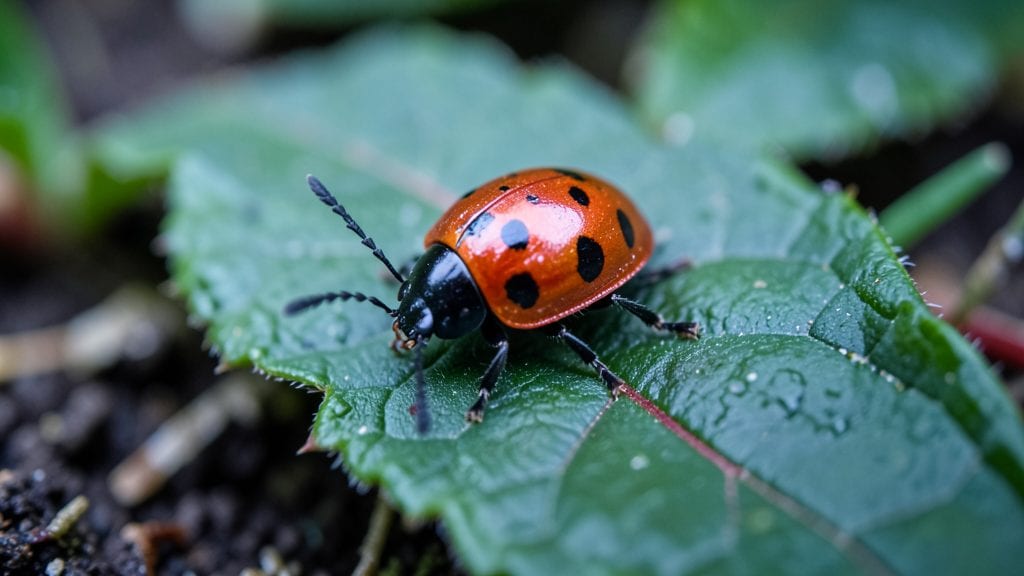
The identification of garden beetles is your first step toward turning those tiny intruders into allies—or at least knowing when to shoo them away. 🌿 I've spent years watching these little guys crawl across my plants, and the difference between a helpful beetle and a destructive one often comes down to just a few details: wing patterns, body shape, and where they hang out.
Some are garden heroes, while others will chew through your veggies faster than you can say "aphid crisis."
The key is paying attention to size, color, and behavior—like whether they're munching leaves or hunting pests. A Japanese beetle, for example, looks like a shiny green bullet with copper wings, while a ladybug (yes, a beetle!) is polka-dotted and harmless.
Grab a magnifying glass and a flashlight, and you'll start spotting these guys like a pro in no time. Most of them are easy to tell apart once you know what to look for.
Once you recognize the good guys—like ground beetles that eat slugs or soldier beetles that pollinate—you'll stop worrying about every beetle you see. The bad ones, like Colorado potato beetles or flea beetles, leave telltale damage: chewed leaves, tiny holes, or wilting plants.
Knowing who's who means you can focus your efforts on the real troublemakers instead of blaming every beetle in sight.
This guide breaks down the most common types with clear descriptions and photos, so you can confidently say, "That's a ladybug—leave it alone!" or "Uh-oh, Japanese beetles—time to act." Let's get started with the visual guide that'll change how you see your garden's tiny visitors.
📚 In This Guide
- What you need
- Instructions
- Tips and common mistakes
- Wrapping up and next steps
What you need
- ● Hand Lens or Magnifying Glass (3x–10x magnification) – For close-up inspection of beetle features like antennae, thorax patterns, or wing covers.
- ● Field Guide or Smartphone App (e.g., iNaturalist, BugGuide) – Pre-loaded with beetle ID tools or offline guides for quick reference.
- ● Notebook & Pencil – To sketch key traits (color, size, habitat) or jot down observations.
- ● Measuring Tape or Ruler – Beetles range from 1/16" to 3"; note their length for accurate ID.
- ● Clear Plastic Container with Lid (small, ventilated) – For temporarily holding live beetles (release them afterward!).
- ● Spray Bottle with Water – Gently rinse off dirt or debris to reveal hidden details.
- ● Camera or Smartphone with Macro Mode – Capture high-res images for later analysis.
- ● UV Flashlight (Blacklight) – Some beetles fluoresce under UV light, aiding ID (e.g., fireflies or darkling beetles).
- ● Entomology Net – For safely catching flying beetles (e.g., June bugs or lady beetles).
- ● Dissecting Kit (Pins, Forceps) – For advanced users: Use sterile tools to examine wing structures or mouthparts (handle with care!).
- ● Weather-Resistant Field Journal – Protect notes from rain or humidity during outdoor sessions.
How to identify common garden beetles in your yard
Beetles are the unsung heroes and occasional pests of your garden. Here's how to tell friend from foe with just a few key details.
🪲 Step 1: Observe the Body Shape and Size
Start by noting the beetle's overall shape—this narrows it down immediately. Round, oval beetles are often harmless ground-dwellers, while elongated ones might be leaf-eaters. I always check the length first: beetles under ¼ inch are usually beneficial, while those over ½ inch often need closer inspection.
Look at the body's curve—some are domed like a ladybug, others flat like a ground beetle. Flat bodies often mean they hide under leaves or mulch, while domed ones might be rolling into a ball as defense. This is your first clue about their habits and whether they're helping or harming your plants.
🪲 Step 2: Examine the Head and Antennae
The head shape reveals a lot. Beetles with short, clubbed antennae (like a baseball bat shape) are often scarabs or Japanese beetles—both notorious plant chewers. I check antennae first because this feature rarely changes, unlike color patterns that fade with age.
Next, look at the jaw (mandibles). Sharp, prominent jaws mean the beetle can chew through leaves, stems, or even wood. Softer, less pronounced jaws usually indicate a plant-friendly species that feeds on smaller pests or decaying matter. This is where you'll see the biggest difference between beneficial and damaging beetles.
🌿 Step 3: Check Wing Cover Patterns and Colors
Wing covers (elytra) are the most colorful part and often the easiest to spot. Bright red or orange with black spots? That's likely a ladybug—your garden's pest control ally. Dull brown or black with striped patterns usually means a ground beetle, which preys on other insects in your soil.
Look for metallic sheens—green, blue, or bronze hues often indicate beneficial beetles like soldier beetles or metallic wood borers. Avoid using color alone to judge; some harmful beetles mimic beneficial ones. I always cross-reference color with body shape and antennae before making a call.
🌱 Step 4: Inspect the Legs and Underbelly
Flip the beetle gently (use a soft paintbrush if needed) to check its legs. Long, spiny legs often belong to predatory beetles like rove beetles, while short, stumpy legs suggest leaf-chewers. I've found that beetles with visible leg segments are usually more active hunters.
The underbelly reveals even more. Smooth, hairless undersides are common in ground-dwelling species, while fuzzy or bristly undersides often indicate plant feeders. This is where you'll spot hidden clues about their diet—some even have specialized structures for sucking plant sap or chewing roots.
⏰ Step 5: Note the Time of Year and Plant Location
When you spot the beetle matters just as much as what it looks like. Beetles active in early spring are often overwintering species, while those appearing in summer heat might be new generations of leaf-chewers. I keep a simple journal noting when I see certain types—this helps predict future outbreaks.
Check where you found it: on leaves, in soil, or under bark? Beetles found under bark or in wood are usually harmless (or beneficial) wood-borers. Those munching on leaves or stems are the ones to watch. This contextual clue often saves me from unnecessary panic over a beetle that's actually doing more good than harm.
Tips & tricks for mastering garden beetle identification
These simple yet powerful tips will help you become a beetle detective in your garden—no entomologist degree required.
Use a Magnifying Lens: I can't stress this enough—many key identification features are tiny. A basic 10x magnifying lens (or even a phone with macro mode) reveals details like leg segments and jaw structure that make all the difference. I keep one in my gardening toolkit and use it for every beetle I examine. This simple tool turns guesswork into certainty.
Check Underneath First: Here's what nobody tells you—some of the most important clues are hidden. Flip the beetle gently (use a soft paintbrush if needed) to check the underbelly and legs before looking at the wings. I've seen fuzzy undersides that immediately told me the beetle was a plant feeder, while smooth undersides meant it was likely a predator. This step often reveals the beetle's true nature before you even look at its back.
Seasonal Timing is Key: The time of year you spot a beetle gives major context. Early spring beetles are often overwintering species that won't cause problems, while summer beetles might be new generations of leaf-chewers. I keep a small notebook by my garden gate and jot down when I see certain types—this helps me predict future outbreaks before they happen. Think of it as your garden's early warning system.
Take Multiple Angles: Don't just look at the beetle from above! Photograph it from different angles (top, side, and bottom) if you can. The side profile often reveals antennae shape and body curvature that's invisible from above. I've identified beetles I initially thought were harmful just by seeing their side profile—it showed they had the long legs of a predator, not the short legs of a leaf-chewer. A quick photo with your phone can save you hours of research later.
Pro Tips for Garden Beetles Identification
- These simple yet powerful tips will help you become a beetle detective in your garden—no entomologist degree required.
- Use a Magnifying Lens: I can't stress this enough—many key identification features are tiny.
- Check Underneath First: Here's what nobody tells you—some of the most important clues are hidden.
Frequently asked questions
Got questions about identifying those creepy-crawly garden beetles? You’re not alone! Here are some of the most common queries—and straightforward answers—to help you tackle beetle ID like a pro.
What’s the easiest way to tell if a beetle is harmful to my garden?
Look for chewing damage on leaves or stems first! Harmful beetles (like Japanese beetles or Colorado potato beetles) often have distinct body shapes, colors, or feeding patterns. For example, Japanese beetles are metallic green/gold with white tufts, while lady beetles (ladybugs) are dome-shaped and beneficial. When in doubt, snap a photo and compare it to a visual guide.
How do I know if beetles are seasonal or year-round in my area?
Most garden beetles are seasonal. For instance, Japanese beetles peak in late summer, while June bugs are active in early summer after rain. Native beetles (like ground beetles) may linger year-round but hide in soil during winter. Check your local climate zone—warmer regions often have longer active seasons for pests.
Are there any beetles I should keep in my garden?
Lady beetles (ladybugs)
, ground beetles, and rove beetles are natural predators of aphids, caterpillars, and other pests. Look for rounded, spotted ladybugs or slender, fast-moving ground beetles. Avoid pesticides—plant neem trees or dill to attract these helpful bugs!
What’s the best way to remove beetles without harming my plants?
For non-beneficial beetles, try these gentle methods:
- Handpick them into soapy water (especially early morning when they’re sluggish).
- Use a hose spray to dislodge them from leaves (aim for undersides).
- Set up beer traps for grubs (bury a cup filled with beer—grubs drown in it!).
- Avoid broad-spectrum pesticides—they can kill good beetles too.
How can I take a good photo to identify a beetle accurately?
For clear ID photos, follow these steps:
- Use natural light (no flash—it distorts colors).
- Get a close-up (fill the frame with the beetle).
- Capture underside views (some beetles have key ID features there!).
- Include a size reference (like a coin or ruler).
Wrapping up and next steps
Identifying garden beetles doesn’t have to be a daunting task—with the right visual cues and a little curiosity, you’ve got this! 🌿 From the glowing firefly to the menacing Japanese beetle, each species plays a unique role in your garden’s ecosystem.
Now that you’re armed with a visual guide, take a closer look at your backyard and celebrate the diversity of these tiny creatures.
Ready to go further? Document your findings with a journal or app, or even share photos with local entomology groups. Every observation helps protect and understand our gardens—and who knows? You might just become the neighborhood beetle expert! 🚀