Pests and Diseases
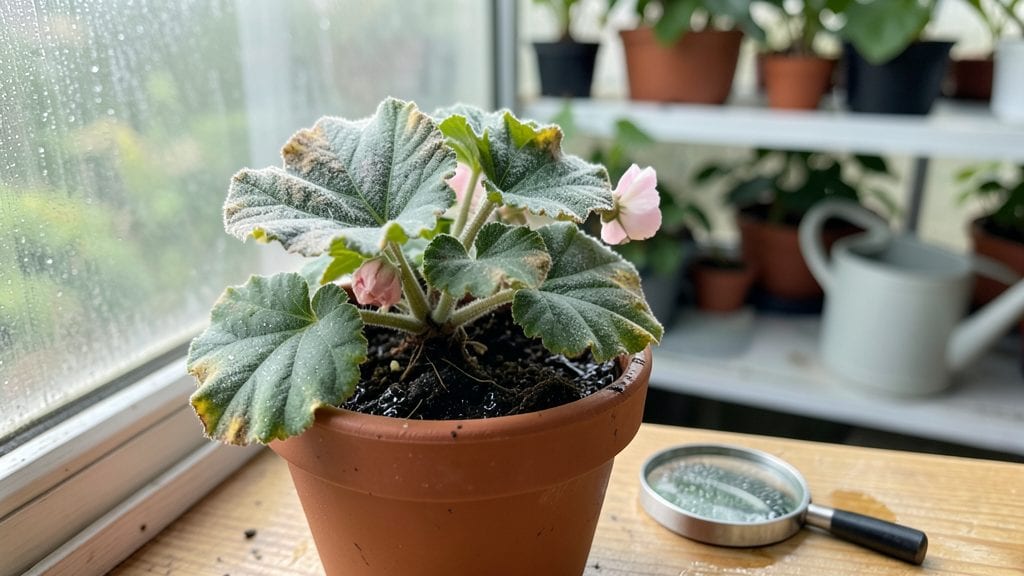
Fuzzy green mold creeping across your garden center shelves isn’t just unsightly—it’s a silent killer of seeds, cuttings, and potting mixes. 🌱 I’ve watched entire batches of seedlings get wiped out because someone ignored the first warning signs, and I’m here to tell you how to stop it without poisoning your soil or plants in the process.
The problem starts with humidity and poor airflow—think of your garden center like a sauna for fungus. Most people grab bleach or harsh chemicals, but those leave toxic residues that hurt your plants more than the mold ever could.
Instead, we’ll focus on natural solutions that work: improving airflow with fans, using food-grade hydrogen peroxide for cleaning, and adjusting humidity without sacrificing plant health.
By the end, you’ll have a mold-free space where seeds germinate reliably and cuttings root without fail. The key is acting fast—once mold takes hold, even the gentlest methods can’t fully reverse the damage. We’ll cover prevention first, then tackle removal without sacrificing your soil’s health.
Works for seed storage, potting mix bulk bins, and even greenhouse benches—no matter where the mold shows up, these methods keep your plants thriving. Let’s get that fuzzy menace under control for good.
The Hidden Triggers Of Fungal Growth
Mold in garden centers isn’t just an eyesore—it’s a silent signal that your growing environment is out of balance. Understanding why it thrives helps you tackle it effectively without damaging plants or soil.
Below, we break down the root causes, from moisture missteps to organic overgrowth, with science-backed explanations and actionable insights.
Mold spores need water to germinate, and garden centers—especially those with potted plants, mulch, or damp substrates—create the perfect humid Petri dish. Here’s why moisture becomes a problem:
- Oversaturated soil: Waterlogged pots or beds cut off oxygen, creating anaerobic conditions where fungal pathogens like Rhizopus or Penicillium flourish. Think of it like a sponge left in a bowl—it doesn’t dry, and neither does the mold.
- Condensation traps: Greenhouses, plastic covers, or even tightly packed display shelves trap moisture. When warm air hits cooler surfaces (like glass or metal), condensation forms, providing a constant mist for spores to land and grow.
- Irrigation overspray: Mist systems or overhead watering can aerosolize spores, spreading them like pollen. If droplets linger on leaves or mulch, they create micro-habitats for mold colonies.
💡 Pro Tip: Test soil moisture with your finger—if the top 2 inches stay damp for more than 24 hours, you’re in the mold’s sweet spot. Use well-draining mixes (like perlite or vermiculite) and elevate pots to improve airflow.
Mold isn’t picky—it feasts on any organic matter, from dead leaves to overripe fruit. In garden centers, this means:
- Accumulated mulch or compost: Fresh mulch (especially wood chips) breaks down into cellulose-rich material, which mold enzymes digest like candy. If it’s piled too thick or not turned regularly, it becomes a breeding ground.
- Decaying plant matter: Dropped leaves, wilting flowers, or even dead roots release sugars and starches that fuel fungal growth. A single rotting bulb in a display can trigger a chain reaction.
- Fertilizer residue: Synthetic fertilizers (high in nitrogen or phosphorus) can acidify soil, creating conditions mold loves. Organic fertilizers, while better for plants, can also overfeed microbes if overapplied, leading to imbalances.
🔥 Action Step: Clear debris weekly and replace old mulch with aged versions (like shredded bark). For potted plants, remove yellowing leaves immediately—they’re mold magnets.
Mold isn’t just a summer nuisance—it thrives in specific temperature and humidity ranges. Here’s the science:
| Condition | Mold’s Ideal Range | Why It Matters |
|---|---|---|
| Humidity | 60–80% | Spores need relative humidity above 60% to germinate. Below 50%? They go dormant. Garden centers often hit 70%+ due to transpiring plants and poor ventilation. |
| Temperature | 77–86°F (25–30°C) | Most mold species metabolize fastest in this range. Cooler temps (below 60°F) slow growth, but not enough to stop it—just delay it. |
| Nighttime drops | Below 68°F (20°C) | When warm, humid air cools overnight, condensation forms on surfaces, giving spores a fresh start. This is why mold often appears in greenhouses or shaded areas. |
✨ Smart Fix: Use a hygrometer to monitor humidity. Aim for 40–50% during the day and never let it sit above 60% overnight. Ventilate with fans or dehumidifiers, and avoid watering in the evening.
Mold spores are tiny but tenacious. They hitch rides on tools, hands, and even shopper traffic. Here’s how it spreads:
- Dirty pruners or trowels: A single swipe with a contaminated tool can inoculate a healthy plant. Spores cling to metal or wood, waiting for moisture to activate.
- Shared display trays: Plastic or wooden trays holding multiple pots can transfer mold from one plant to another via water runoff or physical contact.
- Customer interactions: Touching plants (even gently) can disrupt natural defenses, making them more susceptible to fungal invasion.
🛡️ Prevention Protocol:
- Sanitize tools between uses with a 10% bleach solution (1 part bleach to 9 parts water).
- Use individual plant trays or elevate pots to prevent water pooling.
- Designate a "clean zone" for potting mixes and tools, separate from display areas.
🎯 Key Takeaway: Mold in garden centers is rarely a single culprit—it’s usually a combo of moisture, organic fuel, and poor airflow. By addressing these triggers proactively, you can keep your space lush without the slime.
Quick Fixes for Fungal Foes
Mold in your garden center isn’t just unsightly—it can weaken plants, spread disease, and even harm your business’s reputation. The good news? You can tackle it effectively without resorting to harsh chemicals that might damage soil or plants.
Below, we’ve mapped the most common causes of mold to practical, step-by-step solutions—plus prevention tips to keep your space fresh and thriving.
Mold thrives in soggy conditions, so if your garden center has waterlogged pots, compacted soil, or clogged drainage, fungi will take over. Here’s how to dry it out safely:
🔥 Step 1: Assess the Drainage
- Check pots, trays, and planting beds for standing water.
- If soil feels damp more than 2 inches down, drainage is the issue.
🍳 Step 2: Improve Airflow and Drainage
- Repot plants in containers with drainage holes (or add a layer of gravel at the bottom).
- Loosen compacted soil with a fork or trowel—this helps water drain faster.
- Space plants apart to reduce humidity buildup between them.
👨🍳 Step 3: Adjust Watering Habits
- Water only when the top inch of soil is dry—use your finger to test!
- Water deeply but less frequently to encourage roots to grow downward.
- Avoid overhead watering (it spreads spores). Use drip irrigation or water at the base.
💡 Pro Tip:
If repotting isn’t an option, place pots on elevated trays (like saucers with pebbles) to catch excess water.
Leaves, mulch, and dead plant matter create the perfect mold buffet. Break the cycle with these easy fixes:
🔪 Step 1: Clear the Clutter
- Remove fallen leaves, spent mulch, and dead plants from surfaces and soil.
- Vacuum or sweep shelves, benches, and walkways regularly to prevent spores from settling.
🌡️ Step 2: Sterilize Tools and Surfaces
- Clean pots, tools, and shelves with a 1:10 bleach-water solution (let air-dry).
- For organic matter in soil, solarize it: Cover with clear plastic for 4–6 weeks to bake out mold spores.
✨ Step 3: Use Mold-Resistant Mulch
- Replace old mulch with cedar chips, pine straw, or gravel (less prone to mold).
- Avoid thick layers—2–3 inches is plenty to suppress weeds without trapping moisture.
Stuffy air = mold party. Boost circulation and control moisture with these tricks:
💨 Step 1: Increase Airflow
- Open windows, doors, or vents daily to reduce humidity.
- Install small fans near high-moisture areas (like greenhouses or storage rooms).
🎯 Step 2: Use Dehumidifiers or Absorbents
- Place silica gel packets in storage bins or under shelves.
- For larger spaces, a dehumidifier (set to 40–50% humidity) works wonders.
🔥 Step 3: Avoid Overcrowding
- Thin out plants to improve airflow between them.
- Store potted plants off the floor (use pallets or racks) to prevent moisture buildup.
Over-fertilizing or using certain pesticides can create the perfect mold-growing conditions. Reset your soil gently:
📊 Step 1: Flush the Soil
- Water the affected area thoroughly to leach out excess salts or chemicals.
- Repeat 2–3 times over a week to dilute residues.
💪 Step 2: Amend with Organic Matter
- Mix in compost or worm castings to improve soil structure and microbial balance.
- Avoid synthetic fertilizers temporarily—opt for fish emulsion or seaweed extract instead.
🌱 Step 3: Introduce Beneficial Microbes
- Sprinkle mycorrhizal fungi or Trichoderma (natural mold fighters) into the soil.
- These outcompete harmful mold while supporting plant health.
Once you’ve treated the problem, stop it from coming back with these habits:
- Inspect daily: Check for damp spots, wilting plants, or musty smells.
- Rotate stock: Avoid storing pots in the same spot for months—mold loves stale environments.
- Disinfect regularly: Wipe down shelves and tools monthly with vinegar or hydrogen peroxide (3% solution).
- Monitor humidity: Use a hygrometer to track levels—keep them below 60% when possible.
- Choose resistant plants: Opt for drought-tolerant species (like succulents or lavender) in high-risk areas.
With these targeted fixes, your garden center will stay fresh, mold-free, and plant-friendly—without sacrificing the health of your soil or inventory. Small changes now mean big results in the long run!
Frequently asked questions
Why does mold keep coming back even after cleaning?
Mold returns when underlying conditions—like high humidity (60%+) or poor airflow—aren’t fixed. Use a dehumidifier or fan to keep levels below 50%, and improve ventilation by spacing plants apart or opening windows daily. Without addressing these root causes, spores will just re-germinate.
Can I use vinegar to clean moldy garden center surfaces?
Mix equal parts white vinegar and water, spray on affected areas, and let sit for 10 minutes before scrubbing. Vinegar’s acidity kills spores without harming plants or soil. For stubborn cases, repeat weekly until the area stays clean. Always test on a small area first.
Is it safe to reuse potting mix that had mold?
Only if you sterilize it first. Solarize the mix by covering it with clear plastic for 4-6 weeks in full sun, or bake it in a 200°F oven for 30 minutes. Discard heavily contaminated mix—some molds produce toxins that persist even after treatment.
How do I prevent mold in seed storage areas?
Store seeds in airtight containers with silica gel packets, and keep them in a cool (40°F), dry place. Check humidity regularly—aim for below 40%. Avoid plastic bags, which trap moisture and accelerate spore growth.
Will commercial fungicides harm my plants?
Some can, especially if overused. Opt for copper-based or neem oil sprays, which are gentler. Always follow label instructions, and avoid spraying during flowering or fruiting. For preventive care, focus on airflow and moisture control instead of chemicals.