
Landscaping
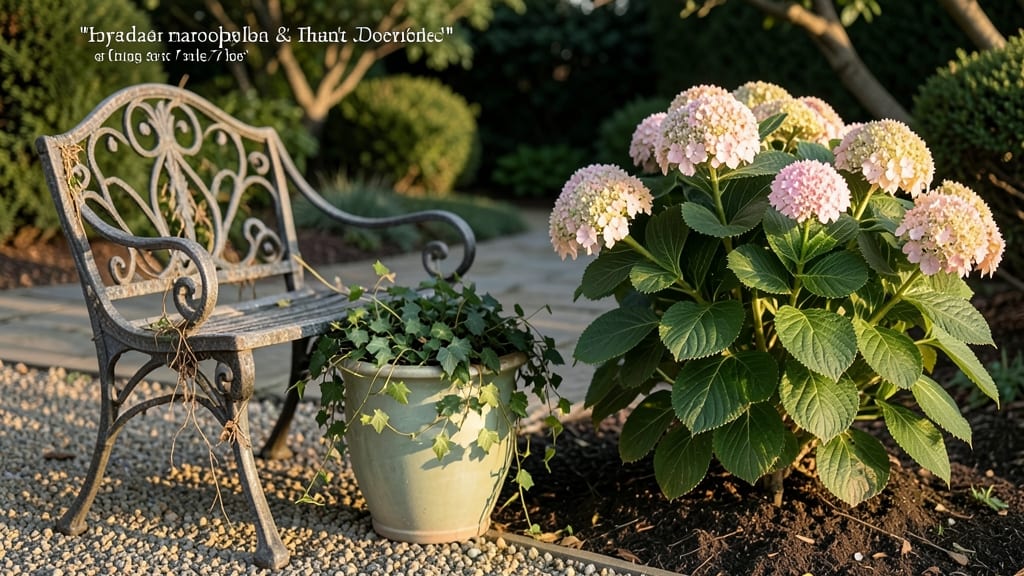
Cottage-inspired garden decor transforms your outdoor space into a cozy, storybook retreat where every path feels like an invitation. 🌿 I fell in love with this style after seeing how simple elements—weathered wood, mismatched pottery, and climbing roses—create a lived-in, welcoming atmosphere that feels like stepping into a grandma’s backyard.
The magic isn’t in expensive pieces but in layering textures and colors that feel organic, not forced.
You don’t need a sprawling yard to pull this off—just a few key pieces like a vintage bench, a galvanized metal bucket for plants, or a string of Edison bulbs for soft lighting. The plants should be lush but low-maintenance: roses, lavender, and hydrangeas add romance without demanding constant attention.
Even a small balcony can become a charming nook with the right mix of greenery and rustic touches.
What you’ll end up with is a space that feels like a hug—warm, inviting, and full of character. The scent of blooming peonies mixed with the creak of a wooden chair underfoot becomes your own little escape.
This style isn’t about perfection; it’s about creating a garden that tells your story, one weathered pot at a time.
It works year-round, too. Swap out summer flowers for evergreens in winter, add cozy throws to outdoor seating, and let the decor evolve with the seasons.
The best part? Every garden visitor will ask where you found that perfect vintage stool or how you made the space feel so effortlessly charming.
📚 In This Guide
- What you need
- Instructions
- Tips and common mistakes
- Wrapping up and next steps
What you need
- ● Wooden Elements: 2-4 reclaimed wooden pallets (for planters or trellises)
- ● 1-2 rustic wooden benches (or DIY with 2x4s and planks)
- ● 1-2 wooden arbors or pergolas (pre-made or custom-built)
- ● Metal Accents: 1-2 vintage-style lanterns (black or weathered iron)
- ● 3-5 wrought-iron hooks or brackets (for hanging plants)
- ● 1-2 old-fashioned watering cans (copper or galvanized steel)
- ● Plants & Greenery: 1-2 climbing roses (for trellises)
- ● 3-5 mixed perennials (lavender, hydrangeas, or delphiniums)
- ● 1-2 hanging baskets (filled with ivy or ferns)
- ● Textiles & Soft Touches: 2-3 striped or gingham tablecloths (for picnic areas)
- ● 1-2 vintage-style cushions (for benches)
- ● 1-2 crocheted or macramé plant hangers
- ● Basic hand tools: hammer, screwdrivers, pruning shears
- ● Measuring tape & level (for building structures)
- ● Sandpaper (medium & fine grit) for distressing wood
- ● Paintbrushes (for staining or painting)
- ● Safety gear: gloves & goggles (for DIY projects)
- ● Vintage teacups or mugs (as planters or decor)
- ● Old books or framed botanical prints (for garden signs)
- ● Fairy lights or Edison bulbs (for magical evening glow)
- ● Hand-painted garden stones (with whimsical sayings)
Step-by-Step guide to crafting cottage-inspired garden decor
Transform your outdoor space into a cozy retreat with this easy, rustic-inspired approach.
🪴 Step 1: Select Natural, Weathered Materials
Start with materials that scream rustic charm—think distressed wood, aged metal, and stone. I love using reclaimed wood for trellises or garden borders, and weathered galvanized metal for planters or bird feeders. These elements naturally blend with cottage aesthetics while standing up to outdoor conditions. Look for pieces with soft edges or visible wear; the more imperfect, the better.
Don’t overlook thrift stores or flea markets for hidden gems. A slightly rusty metal bucket or a chipped ceramic pot can become the perfect cottage-style container. Just give them a quick scrub with warm, soapy water to remove dirt without stripping their character. The goal is to keep that lived-in, timeless look.
☀️ Step 2: Create Soft, Layered Seating Areas
Cottage gardens thrive on cozy seating spots, so arrange a mix of vintage chairs, wicker benches, and cushioned stools. I like to use mismatched pieces—maybe a painted wooden chair paired with a striped cushion or a wrought-iron bench with a thick, neutral throw. The key is comfort, so add weather-resistant outdoor cushions or even old quilts draped over the backs of chairs.
Place seating near a shaded area, like under a pergola or beneath flowering vines. Add a small side table made from a wooden pallet or a repurposed door for drinks or books. The idea is to create an inviting nook where you can relax with a cup of tea or enjoy the garden’s quiet beauty.
🌿 Step 3: Incorporate Vertical Greenery and Climbing Plants
Cottage gardens are all about lush, romantic foliage, so introduce climbing plants like roses, clematis, or jasmine to trellises or arbors. I use a mix of wooden and metal trellises—some painted white, others left natural—for a balanced look. Train vines to grow upward along these structures, creating a living canopy that adds height and texture to your space.
For smaller vertical accents, hang baskets filled with trailing plants like ivy or sweet peas from hooks or branches. These add softness and movement, key elements of cottage-style decor. Just make sure to place them where they’ll get the right amount of light—most climbing plants need at least 6 hours of sunlight daily for best growth.
✂️ Step 4: Add Whimsical, Functional Accents
Cottage gardens love details that feel both practical and playful. Place a vintage-style watering can near your seating area, or hang a wind chime made from repurposed metal or glass near a path. I also like adding small signs with hand-painted quotes or garden names—nothing too fancy, just charming and personal.
Don’t forget about lighting! String fairy lights or lanterns along fences or trellises for a magical evening glow. Solar-powered options are easy to install and add warmth without wiring hassles. The goal is to layer light sources so your garden feels cozy even after dark.
💧 Step 5: Maintain a Natural, Low-Maintenance Vibe
Cottage gardens should feel effortless, so avoid overly manicured edges or perfectly trimmed hedges. Instead, let plants grow a little wild—just enough to keep them healthy and blooming. I like to mulch paths with straw or small stones to keep them neat without looking too structured.
Regularly check for overgrown vines or deadheading spent blooms to keep the space tidy. A quick sweep of the path with a broom or a gentle prune of straggly branches keeps the charm intact. The more you let nature take its course, the more authentic your cottage garden will feel.
Tips & tricks for perfect cottage-inspired garden decor
Here's what I've learned after creating my own cottage garden—small details make all the difference in achieving that authentic, cozy charm.
Material Selection Matters: When choosing weathered materials in Step 1, focus on the texture rather than perfect condition. The best pieces have visible character—think rust spots on metal, soft edges on wood, and natural imperfections in stone. I always look for items that tell a story, like an old wooden crate or a slightly dented tin bucket. These elements create that timeless, lived-in feel that defines cottage decor.
Layering Seating for Comfort: In Step 2, don't be afraid to mix seating styles and heights. I've found that combining a low wicker stool with a slightly taller bench creates visual interest while maintaining comfort. Place a thick, neutral throw over one piece and a striped pillow on another—this creates a cohesive look while keeping things inviting. The key is to arrange seating so you can enjoy different views of the garden.
Plant Placement for Sunlight: For Step 3, remember that climbing plants need at least 6 hours of sunlight daily, but their exact placement depends on your garden's layout. I always position my trellises where they'll receive morning sun but have afternoon shade—this prevents leaves from scorching while still encouraging growth. If you have a shady spot, opt for ivy or ferns that thrive in lower light conditions.
Lighting Layering Trick: When adding lighting in Step 4, I recommend using a mix of warm and cool white lights. String fairy lights along the top of trellises for a dreamy canopy effect, while placing lanterns at seating height creates intimate pockets of light. Solar-powered options are perfect for this—they're easy to install and can be moved around as needed. The goal is to create a soft glow that enhances the garden's coziness after dark.
Pro Tips for Garden Decor Style
- Here's what I've learned after creating my own cottage garden—small details make all the difference in achieving that authentic, cozy charm.
- Material Selection Matters: When choosing weathered materials in Step 1, focus on the texture rather than perfect condition.
- Layering Seating for Comfort: In Step 2, don't be afraid to mix seating styles and heights.
Frequently asked questions
Got questions about bringing cottage-inspired charm to your garden decor?
You’re not alone! Here are some of the most common queries—and their answers—to help you create a cozy, rustic retreat with confidence.
What’s the easiest way to start a cottage-style garden on a budget?
Begin with thrifted finds like vintage teacups, old wooden crates, or mismatched pottery for planters. Swap expensive stone paths for pebbles or gravel, and opt for perennials (like lavender or roses) over annuals—they’re low-maintenance and bloom year after year. DIY projects, like painting wooden signs or upcycling furniture, add personality without breaking the bank!
How do I balance rustic and elegant elements in my garden decor?
Think layered textures: Pair rough-hewn stone planters with delicate wrought-iron trellises, or mix a weathered wooden bench with a chintz cushion in soft pastels. Pro tip: Use neutral palettes (creams, greens, and taupes) as your base, then add pops of color with wildflowers or vintage glass bottles filled with blooms. The key? Keep it clutter-free—rustic charm thrives in simplicity!
What plants thrive in a cottage garden style, and do they need a lot of maintenance?
Classic cottage plants like roses, peonies, delphiniums, and foxgloves are hardy and low-maintenance once established. For easy-care options, try lavender, salvia, or catmint—they’re drought-tolerant and attract pollinators. Pro tip: Let some wildflowers self-seed for a natural, undone look. Deadhead spent blooms occasionally to encourage more flowers!
Can I incorporate modern elements into a cottage garden without ruining the vibe?
Try sleek metal lanterns with vintage glass panels, or a minimalist concrete birdbath paired with a wrought-iron stand. Geometric planters (like cube-shaped terracotta) can contrast beautifully with rounded, overflowing pots. The trick? Keep modern pieces subtle—let the organic shapes and textures of nature (like twisted branches or moss-covered stones) dominate.
How do I protect my garden decor from harsh weather?
Prevent rust on metal with weatherproof paint or powder coating, and store porcelain or glass items under cover during storms. For wooden furniture, apply a sealant or linseed oil annually to guard against rot. Pro tip: Elevate terracotta pots on saucers or bricks to prevent water damage, and group delicate decor near a wall or under a pergola for shelter. Drip irrigation can also help keep soil (and decor) dry!
Still stumped?
Drop your specific challenge in the comments—we’re happy to help you troubleshoot!
Wrapping up and next steps
Transforming your garden into a cottage-inspired haven is all about blending rustic charm with timeless elegance—one cozy corner at a time! 🌿 Whether you’re weaving in vintage finds, layering lush greenery, or crafting handmade touches, the key is to let your personality shine through simplicity and warmth.
Now that you’ve got the how-tos and answers to common questions, it’s time to grab those tools, gather your materials, and start small—maybe a single flower bed or a quaint seating nook—to build momentum.
Remember: Progress over perfection! Your garden will evolve with each season, and that’s the magic of cottage style. Ready to dive in? Sketch your first project today—your future guests (and your future self) will thank you!