
Landscaping
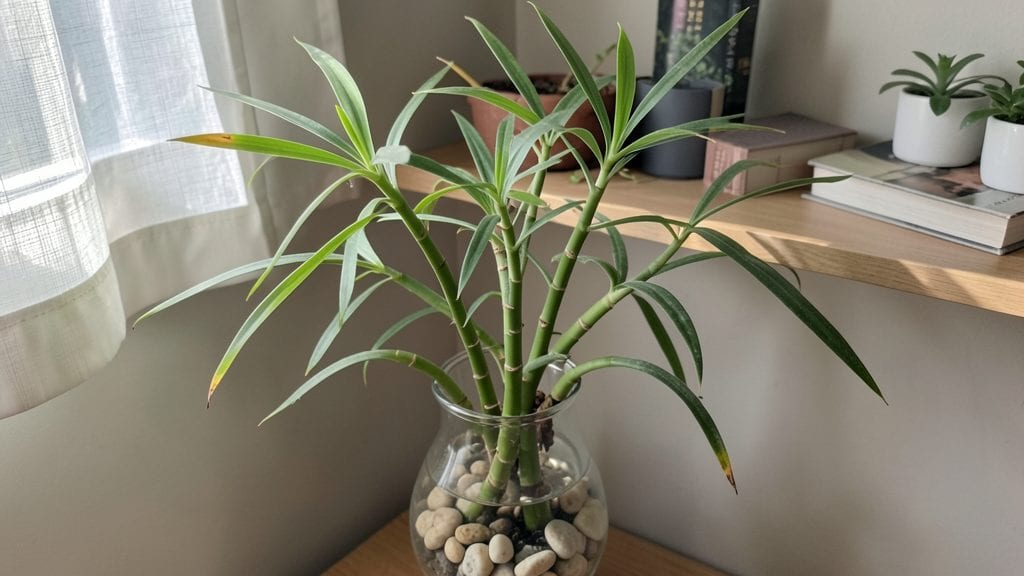
Garden design with bamboo transforms bare spaces into lush, living privacy screens in record time—no fence or panel needed. 🌿 I planted clumping bamboo along my backyard fence last spring, and by summer’s end, it blocked nosy neighbors’ views while adding tropical drama.
The key? Choosing the right variety and spacing it to control its spread.
Fast-growing varieties like Bambusa multiplex or Fargesia robusta reach 8–10 feet in just 3 years, creating instant privacy without waiting decades. For modern gardens, keep it sleek with narrow clumps; for Zen vibes, let it cascade over stone walls.
Pair with hostas or ferns for texture, or go bold with bold foliage like Elephant Ears for contrast.
You’ll end up with a screen that’s low-maintenance (no painting, no rust) and full of life—birds nesting in the branches, butterflies flitting through the stalks. The best part?
It grows with you, adapting to your garden’s style while keeping it serene and secluded. Let’s pick your perfect bamboo and get planting!
Works for urban backyards, suburban borders, or even container gardens on patios. Whether you want a tropical retreat or a minimalist divider, bamboo delivers—fast. Here’s how to make it work for your space.
📚 In This Guide
- What you need
- Instructions
- Tips and common mistakes
- Wrapping up and next steps
What you need
- ● Ready to transform your garden with stunning, fast-growing bamboo privacy screens? Here’s everything you’ll need to get started—whether you’re a DIY pro or a gardening newbie! 🌿✨
- ● Pro tip: 💡 If your bamboo grows aggressively, consider root barriers (buried vertically) to contain clumping varieties!
Step-by-step instructions for designing a bamboo privacy screen
Transform your yard into a serene retreat with a lush bamboo privacy screen that grows fast and stays elegant.
🌱 Step 1: Choose and Prepare Your Bamboo Variety
For a 3-year privacy screen, select a clumping bamboo like Fargesia robusta or Fargesia nitida—these stay contained and won’t spread aggressively. Avoid running bamboo like Phyllostachys unless you’re prepared for containment barriers. I always plant in early spring when soil temperatures reach 50°F, giving roots time to establish before summer heat.
Dig holes twice as wide as the root ball but only as deep as the container it came in. Amend the soil with compost to improve drainage—bamboo roots rot in soggy soil. Space plants 4-6 feet apart for a dense screen by year three. If planting in rows, stagger them like bricks to create a natural, staggered look.
🪴 Step 2: Plant and Stake for Stability
Place each bamboo in its hole, ensuring the top of the root ball sits 1-2 inches below soil level—this prevents crown rot. Backfill with native soil mixed with compost, tamping gently to remove air pockets. Water deeply until moisture reaches 12 inches down, then add 2-3 inches of mulch to retain moisture and suppress weeds.
Stake tall varieties (over 6 feet) with 2 bamboo stakes per plant, tying them loosely to the main stem with soft plant ties. This prevents wind damage while young canes establish. Avoid over-tightening—roots need room to breathe. If planting along a fence or wall, leave 3 feet of clearance to allow airflow and prevent fungal issues.
☀️ Step 3: Water and Fertilize for Rapid Growth
Water newly planted bamboo every 2-3 days until established, checking that top 6 inches of soil stay moist but not waterlogged. After the first month, reduce to once weekly unless your climate is extremely hot or dry. Bamboo thrives in partial shade to full sun, but afternoon shade in hot zones prevents leaf scorch.
Apply a balanced 10-10-10 fertilizer in early spring and again in mid-summer, using ½ the recommended dose to avoid burning roots. I also sprinkle bone meal around the base in spring for phosphorus—this boosts root growth and cane strength. Avoid high-nitrogen fertilizers; they encourage leafy growth at the expense of structural canes.
✂️ Step 4: Prune and Maintain for Density
Remove dead or damaged canes in early spring before new growth starts. Cut at the base with clean pruners, leaving no stubs. Thin out every 3rd cane annually to improve airflow and reduce disease risk. If canes grow too close, they’ll compete for sunlight and weaken. I also trim back any suckers that appear outside the clump—this keeps the screen neat and contained.
By year three, your screen should reach 8-10 feet tall with minimal gaps. If you notice yellowing leaves, it’s often a sign of overwatering or fungal issues—reduce watering and improve drainage immediately. For a polished look, trim any straggly canes in late summer after the main growth spurt. This encourages bushier, fuller growth for the next season.
Tips & tricks for perfect bamboo privacy screens
Here's what I've learned after planting and maintaining bamboo screens for years—these tricks will help you avoid common pitfalls and get that lush, dense screen in just three years.
Soil Temperature Timing: Planting when soil temperatures reach 50°F in early spring is non-negotiable. I've learned this the hard way—planting too early in cold soil can stunt root growth. Use a soil thermometer if you're unsure. Cold soil slows down root establishment, which is crucial for that first critical year of growth.
Planting Depth Secret: The top of your bamboo's root ball should sit 1-2 inches below soil level—this isn't just a suggestion, it's essential for preventing crown rot. I used to plant them too shallow, and within weeks, I'd see brown, mushy stems. Dig that hole deeper than you think you need, and don't be afraid to mound the soil slightly when planting.
Watering Strategy: Those first 2-3 days of frequent watering are make-or-break. I've seen bamboo plants fail because people think "watering every 2-3 days" means a quick sprinkle. Water until moisture reaches 12 inches down—that's about a gallon per plant. Use a moisture meter to check; if the top 6 inches stay dry, you're not watering enough. After the first month, you can ease up to weekly watering, but adjust for your climate.
Fertilizer Application: When you apply that 10-10-10 fertilizer in early spring and mid-summer, use only half the recommended dose. I've burned roots before by being too generous. The key is consistency—better to under-fertilize slightly than risk root damage. And that bone meal? Sprinkle it lightly around the base in spring, but don't pile it directly against the stems. It's like giving your bamboo a slow-release energy boost without the sugar rush.
Pro Tips for Garden Design Bamboo
- Here's what I've learned after planting and maintaining bamboo screens for years—these tricks will help you avoid common pitfalls and get that lush, dense screen in just three years.
- Soil Temperature Timing: Planting when soil temperatures reach 50°F in early spring is non-negotiable.
- Planting Depth Secret: The top of your bamboo's root ball should sit 1-2 inches below soil level—this isn't just a suggestion, it's essential for preventing crown rot.
Frequently asked questions
Got questions about designing with bamboo? You’re not alone—this fast-growing plant is a game-changer, but it comes with nuances. Here are answers to the most common queries to help you plan like a pro!
How fast does bamboo really grow for privacy screens?
Most clumping bamboo varieties (like Bambusa multiplex) grow 1–3 feet per year, while running types (e.g., Phyllostachys) can shoot up 3–5 feet annually. With proper care, a 6-foot-tall screen is achievable in 2–3 years—but spacing and soil prep matter! Pro tip: Choose dwarf or semi-dwarf species for easier maintenance.
Is bamboo invasive? How do I stop it from spreading?
Running bamboo is invasive—its rhizomes can spread aggressively if unchecked. To contain it, install a 30-inch-deep underground barrier (like HDPE plastic) or choose clumping bamboo, which stays put. Regular trimming and root pruning also help keep it in check. Warning: Never plant running bamboo near septic systems or foundations!
Can I use bamboo for privacy in small gardens or urban spaces?
Opt for dwarf or clumping varieties (e.g., Bambusa ventricosa or Fargesia robusta) for tight spaces. These stay compact (3–8 feet tall) and thrive in containers or narrow beds. Vertical gardens or trellised bamboo also maximize space without sacrificing privacy. Bonus: They’re perfect for balconies or rooftop gardens!
Does bamboo survive cold winters? What’s the hardiest type?
Most bamboo tolerates USDA Zones 5–10, but running bamboo (e.g., Phyllostachys aureosulcata) can die back in harsh winters. For cold climates, choose Fargesia (hardy to -20°F) or Bambusa multiplex. Mulch heavily in fall and protect young plants with burlap wraps if needed. Tip: Evergreen varieties like Fargesia nitida keep color year-round!
How do I maintain bamboo for long-term privacy?
Keep it lush with regular pruning (trim dead canes in early spring) and fertilizing (balanced 10-10-10 in spring/fall). Watch for pests like bamboo borers—remove affected canes immediately. Water deeply during droughts, but avoid waterlogging. Divide overcrowded clumps every 3–5 years to maintain health. Remember: Healthy bamboo = faster growth and denser screens!
Wrapping up and next steps
Transforming your outdoor space with bamboo is easier—and faster—than you think! 🌿 Whether you’re craving a lush privacy screen, a stylish windbreak, or a natural accent, bamboo delivers rapid growth, durability, and effortless beauty.
With the right variety and care, you’ll enjoy a thriving garden feature in just three years, blending function and elegance seamlessly.
Ready to take the next step? Start small—plant a few clumps, experiment with designs, or consult a local nursery for expert advice. Your dream garden is closer than you realize! 🌱