
Diseases
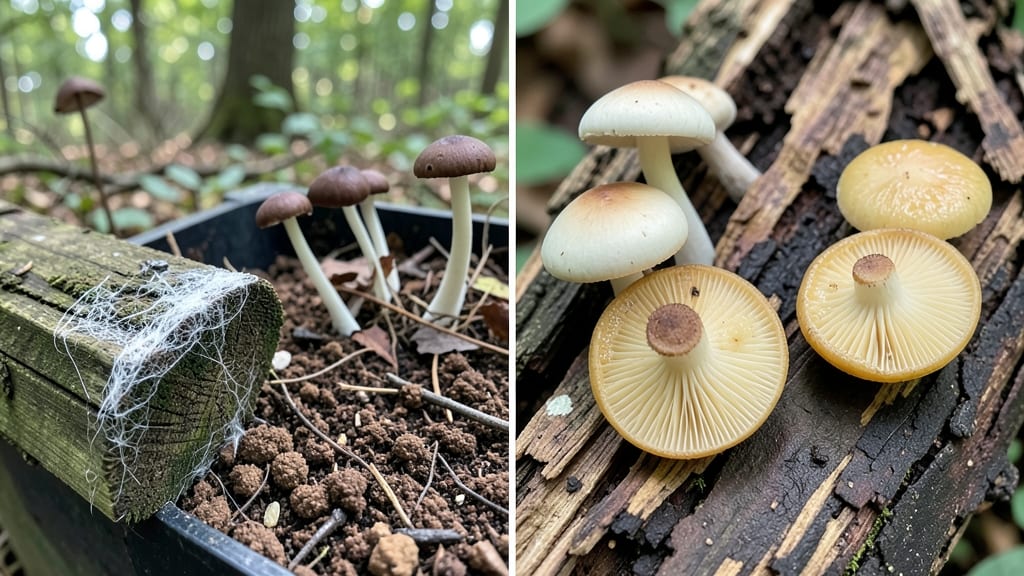
Recognizing the most common garden fungus types can help you rescue your plants before damage spreads. That white powder on your roses or the orange spots on pumpkin leaves? Those aren’t just "weird marks"—they’re fungal infections that spread fast if you ignore them.
I’ve lost entire harvests to blights I didn’t recognize early enough, and I’ll help you spot the 10 most destructive types before they take over.
The worst part? Many gardeners treat all fungus the same, but powdery mildew, rust, and black spot need different fixes. Some thrive in damp soil, others love humid air—knowing the difference means you can stop the spread with the right spray, pruning, or soil tweaks.
My go-to organic treatments include neem oil, copper fungicide, and baking soda mixes that actually work without harming your plants.
By the end, you’ll recognize symptoms faster than a fungal outbreak can spread. No more guessing whether to yank infected leaves or just wait it out—you’ll know exactly what to do.
The key is acting early, and I’ll walk you through the most effective fixes for each type, plus prevention tricks that keep your garden healthy all season.
This isn’t just about treating fungus—it’s about protecting your hard work. Whether you’re dealing with mushrooms popping up in your lawn or leaf spots ruining your tomatoes, these solutions will get your garden back on track. Let’s tackle this before your plants pay the price.
Root Causes Of Fungal Growth
Fungal infections in gardens aren’t random—they thrive because of specific conditions that create the perfect breeding ground. Understanding these triggers helps you prevent outbreaks before they start. Here’s why fungi take over your plants and soil, broken down into the most common culprits.
Fungi love water—too much of it, that is. Most garden fungi require moisture to spread their spores and infect plant tissues. Here’s how it happens:
- Overwatering or Heavy Rainfall: Soil that stays soggy for prolonged periods creates anaerobic (low-oxygen) conditions, weakening plant roots and making them vulnerable to fungal invaders like Phytophthora (root rot) or Pythium. - Poor Drainage: Compacted or clay-heavy soil traps water, preventing roots from drying out.
This stagnant moisture encourages fungal spores to germinate and multiply. - Foliage Staying Wet: Splashed water on leaves (from rain or overhead irrigation) can create a film that traps spores, leading to diseases like powdery mildew or downy mildew.
Actionable Fix: ✅ Test your soil’s drainage by digging a hole, filling it with water, and timing how long it takes to drain. Ideal: 4–6 hours. ✅ Water at the base (not overhead) and early in the day to allow foliage to dry. ✅ Amend heavy soil with compost or sand to improve aeration.
Fungi thrive in warm, damp environments—think of them as tropical parasites. Here’s how humidity fuels their growth:
- High Humidity (60–90%): Many fungi, such as rusts and leaf spots, require high humidity to release spores and infect plants.
Even short periods of humidity (like overnight dew) can trigger outbreaks. - Stagnant Air: Dense plantings or thick mulch layers trap moisture near the soil, creating a humid microclimate perfect for Botrytis blight (gray mold). - Poor Air Circulation: Crowded gardens restrict airflow, keeping spores suspended and increasing infection rates.
Actionable Fix: 💡 Space plants properly (follow spacing guidelines for each species) to improve airflow. 🌡️ Use a hygrometer to monitor humidity—aim for below 60% during peak growing seasons. ✨ Prune regularly to reduce leaf density and allow sunlight to dry foliage faster.
Healthy plants resist fungi, but stress opens the door. Common stressors include:
- Nutrient Deficiencies: Plants low in phosphorus or potassium (key for cell wall strength) are more susceptible to fungal attacks. Magnesium deficiency (chlorosis) also weakens resistance.
- Physical Damage: Injuries from pruning, pests (like aphids or mites), or hail create entry points for fungi such as anthracnose or black spot.
- Environmental Stress: Extreme heat, cold snaps, or sudden drought shock can suppress a plant’s immune response, making it an easy target for Fusarium wilt.
Actionable Fix: 📊 Soil test annually and amend with balanced fertilizer (e.g., 10-10-10) or compost tea for micronutrients. 🔪 Sterilize pruning tools with rubbing alcohol to prevent spreading spores. 💪 Hardening off seedlings gradually before transplanting reduces shock.
Fungi are persistent—they lurk in soil, tools, and even old plant debris, waiting for the right moment to strike.
- Infected Mulch or Compost: Untreated wood chips, straw, or compost piles can harbor Armillaria (honey fungus) or Sclerotinia spores.
- Reused Tools: Pruners, shovels, or gloves contaminated with fungal spores (e.g., from powdery mildew) can transfer pathogens to healthy plants.
- Plant Debris Left Behind: Dead leaves, stems, or roots provide food and shelter for fungi over winter, leading to snow mold or damping-off in spring.
Actionable Fix: 🧼 Disinfect tools with a 10% bleach solution (1 part bleach to 9 parts water) or 70% isopropyl alcohol after each use. 🔥 Remove and destroy infected plant debris—do not compost severely diseased material. 🌱 Rotate crops annually to starve soil-borne fungi (e.g., don’t plant tomatoes in the same spot where they had blight last year).
Tight spaces create the perfect storm for fungal spread—limited airflow, trapped moisture, and easy spore transfer between plants.
- Shaded, Dense Foliage: Low-light conditions (common in thick canopies) slow plant growth and increase humidity, ideal for powdery mildew on cucumbers or squash.
- Spores Hitchhike: Wind or splashing water carries spores from infected to healthy plants in crowded beds.
- Root Competition: Overcrowded roots weaken plants, making them more susceptible to root-rotting fungi like Rhizoctonia.
Actionable Fix: 🌿 Follow plant spacing guidelines (e.g., tomatoes need 18–24" apart). 🌞 Thin seedlings early to reduce competition and improve airflow. 🌡️ Monitor humidity in shaded areas—consider a fan for high-risk crops (e.g., grapes, roses).
Some fungi are opportunists, striking when conditions shift—like after a warm winter or during sudden temperature swings.
- Warm Winters: Fungi like vine diseases (e.g., Phomopsis on grapes) survive and multiply in mild winters, emerging stronger in spring.
- Rapid Temperature Changes: Morning dew followed by hot afternoons creates the perfect moisture-stress cycle for early blight on tomatoes.
- Flooding or Poor Drainage After Rain: Heavy downpours can drown roots, inviting Pythium or Phytophthora to move in.
Actionable Fix: 📅 Plan for seasonal risks—e.g., avoid planting susceptible crops (like strawberries) in low-lying areas prone to waterlogging. 🌡️ Use row covers in early spring to protect young plants from fungal spores released by decomposing debris. 🌧️ Install French drains or swales in problem areas to divert excess water.
Quick Fixes for Garden Fungus Problems
Fungal infections in your garden can feel like an uphill battle, but with the right approach, you can restore your plants to health and keep future outbreaks at bay. Below are practical, step-by-step solutions tailored to common causes—from overwatering to poor airflow—plus prevention tips to stop fungi from returning.
Problem: Fungi like Phytophthora and Pythium thrive in soggy soil, rotting roots and stems.
How to Fix It:
- 🔥 Stop Watering Immediately
- Let the top 2–3 inches of soil dry out before watering again. Use your finger to check moisture levels.
- 👨🍳 Improve Soil Drainage
- Amend heavy clay soil with compost, perlite, or coarse sand (1 part additive to 3 parts soil).
- Raise containers or mounds to prevent water pooling.
- ⏰ Adjust Your Watering Schedule
- Water deeply but infrequently (early morning is best to reduce humidity).
- Use drip irrigation or soaker hoses to avoid wetting foliage.
💡 Prevention Tip:
- Mulch wisely: Use straw or wood chips (2–3 inches thick) but keep it 6 inches away from plant stems to prevent rot.
Problem: Fungi like powdery mildew and rust spread faster in damp, shaded, or overcrowded gardens.
How to Fix It:
- 🍳 Prune for Better Airflow
- Thin out dense foliage (especially in roses, tomatoes, and squash) to allow light and air circulation.
- Remove infected leaves with sterilized pruners (wipe with rubbing alcohol between cuts).
- 🔥 Reduce Moisture Traps
- Water plants at the base (avoid overhead spraying).
- Space plants 12–24 inches apart (check plant tags for ideal spacing).
- ✨ Use Fans for Fungal Defense
- Place a small fan on low speed near susceptible plants (like basil or cucumbers) to dry leaves faster.
💡 Prevention Tip:
- Plant strategically: Group sun-loving plants together and avoid planting susceptible species (e.g., phlox near roses).
Problem: Spots, mold, or discoloration (e.g., black spot on roses or late blight on tomatoes) signal active infections.
How to Fix It:
- 🔪 Remove Infected Parts
- Snip off spotted or moldy leaves and dispose of them in the trash (not compost).
- 🌡️ Apply Fungicides (Organic or Chemical)
- Baking soda spray (1 tsp baking soda + 1 quart water + a drop of dish soap) for powdery mildew.
- Neem oil (2 tbsp per gallon of water) for rust and black spot (spray every 7–10 days).
- Copper fungicides (like Copper Soap) for serious infections (follow label instructions).
- 🍳 Boost Plant Immunity
- Fertilize with compost tea or kelp meal to strengthen plants.
- Avoid nitrogen-heavy fertilizers (they encourage soft, fungus-prone growth).
💡 Prevention Tip:
- Rotate crops yearly to prevent soil-borne fungi from building up.
Problem: Fungi like root rot or damping-off (in seedlings) can devastate container gardens.
How to Fix It:
- 🔥 Sterilize Pots & Tools
- Wash pots with 10% bleach solution (1 part bleach to 9 parts water) or soak in hydrogen peroxide (3%) for 10 minutes.
- Replace old potting mix (fungi linger in reused soil).
- 🍳 Use Fungicide-Resistant Mixes
- Add perlite, vermiculite, or coconut coir to improve drainage.
- Mix in mycorrhizal fungi (beneficial fungi that outcompete pathogens).
- ⏰ Monitor Seedlings Closely
- Thin seedlings to avoid overcrowding.
- Bottom-water seedlings (place pots in a tray of water) to keep tops dry.
💡 Prevention Tip:
- Solarize soil before replanting: Cover pots with clear plastic for 4–6 weeks in the sun to kill fungi.
If fungi persist despite treatment, the issue may be:
- Resistant strains (rotate fungicides).
- Underlying soil pH issues (test soil and amend with lime or sulfur).
- Pests weakening plants (check for aphids or mites that spread fungi).
💡 Pro Tip: Keep a garden journal to track what works—note which fungicides, pruning methods, or soil amendments gave the best results!
Frequently asked questions
What are the most destructive garden fungi I should watch for?
The top 5 fungal threats to monitor are powdery mildew (white powder on leaves), black spot (dark spots on roses), early blight (target-like lesions on tomatoes), root rot (mushy stems from overwatering), and rust (orange pustules on undersides of leaves). These spread fastest in humid conditions and can kill plants within weeks if untreated.
Can I use the same treatment for all garden fungi?
No—different fungi need different fixes! For example, powdery mildew responds well to baking soda spray, while root rot requires improving drainage and removing infected plants. Always match the treatment to the specific symptoms and fungal type to avoid wasting time or harming your plants.
How do I tell if my mushrooms in the lawn are harmful or harmless?
Most wild mushrooms are harmless, but Armillaria (honey fungus) and Sclerotinia (white mold) are dangerous. Look for clusters at the base of dying plants or mushrooms with black gills—these signal aggressive pathogens. If you’re unsure, remove them with a shovel (including roots) and dispose of them in the trash.
Will fungicides harm beneficial insects like bees or ladybugs?
Most chemical fungicides can harm pollinators, but organic options like neem oil or copper fungicides are safer when applied at dusk or dawn. Always avoid spraying flowers directly, and opt for targeted treatments (e.g., spraying undersides of leaves) to minimize exposure. Beneficial insects thrive in gardens with strong plant health—focus on prevention first!
How long does it take to see results from organic fungus treatments?
Organic treatments like baking soda spray or neem oil may show improvement in 3–7 days if applied consistently, but severe infections (like root rot) can take 2–4 weeks to fully resolve. Combine treatments with cultural fixes (like pruning for airflow) for faster results. Patience is key—fungi don’t disappear overnight!