Companion Plants
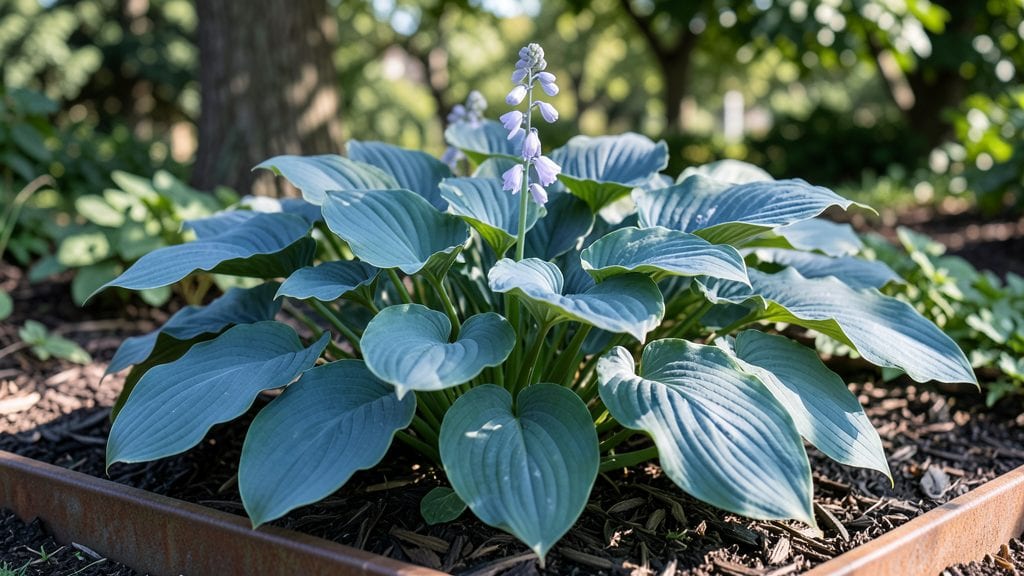
Buying live plants for your garden is the fastest way to skip the seedling stage and dive straight into lush foliage and blooms. 🌿 I’ve learned that the key to long-term success isn’t just picking pretty plants—it’s matching them with the right companions to create a self-sustaining ecosystem.
The right pairings mean fewer pests, better growth, and plants that thrive together instead of competing.
Start by choosing healthy stock from reputable nurseries or trusted online sellers—look for firm stems, vibrant leaves, and roots that aren’t root-bound. Once home, give them a week to acclimate to your garden’s light and soil before planting.
The best companion pairings often surprise you: basil next to tomatoes, marigolds near roses, or nasturtiums trailing through cucumbers. These combos work because they share nutrients, repel pests, and even improve flavor.
Within weeks, you’ll notice the difference—plants grow taller, bloom more, and stay healthier with less effort. The secret’s in the chemistry: some plants release natural pest deterrents, while others improve soil structure.
Even in winter, evergreens like boxwood or holly can anchor your garden while providing year-round interest. The right pairings turn a garden from a chore into a thriving, low-maintenance paradise.
This approach works for containers, raised beds, or in-ground gardens—just adjust spacing and sunlight based on your setup. Whether you’re a beginner or a seasoned gardener, the right companions will make your garden feel alive, productive, and effortlessly beautiful. Let’s get those pairings right from the start.
📚 In This Guide
- What you need
- Instructions
- Tips and common mistakes
- Wrapping up and next steps
What you need
- ● Live plants: Choose 3–5 companion plant pairs (e.g., tomatoes + basil, carrots + onions, or marigolds + herbs). Start with 3–6 healthy seedlings or young plants per variety.
- ● Potting soil: 1–2 cubic yards of high-quality, well-draining soil (or a mix of garden soil + compost for in-ground planting).
- ● Containers or garden bed: For containers: 5–10 gallon pots (1 per plant or pair) with drainage holes.
- ● For in-ground: A 4’x4’ or larger plot with full sun (6+ hours/day) or partial shade (4–6 hours/day), depending on plant needs.
- ● Watering can or hose: With a gentle spray nozzle for even moisture.
- ● Organic fertilizer: 1–2 cups of balanced, slow-release fertilizer (e.g., 10-10-10) or compost tea.
- ● Mulch: 2–3 inches of straw, wood chips, or shredded leaves to retain moisture.
- ● Required: Hand trowel or small shovel
- ● Gloves (gardening or work gloves)
- ● Pruning shears
- ○ Optional (but helpful!): pH tester (to check soil acidity/alkalinity)
- ● Soil moisture meter
- ● Kneeling pad or small stool
- ● Plant labels (for tracking varieties)
- ● Know your USDA Hardiness Zone (check here) to pick cold-hardy or heat-tolerant companions.
- ● Research sunlight needs for your chosen plants (e.g., herbs like thyme thrive in full sun, while lettuce prefers partial shade).
- ● Plan for spacing: Most plants need 12–24 inches between them for airflow (check seed packets for specifics!).
Instructions for designing a year-round companion plant garden
Here's how to create a thriving, balanced garden where plants support each other's growth.
🌱 Step 1: Plan Your Plant Groups by Seasonal Needs
Start by organizing plants into four groups based on their seasonal preferences: cool-season, warm-season, shade-tolerant, and drought-resistant. I like to sketch a simple grid where each quadrant represents one of these categories. This ensures you'll have continuous color and function throughout the year without bare patches.
For example, pair cool-season kale with early spring onions in one section, then move to warm-season tomatoes with basil in another. Shade-tolerant ferns and hostas go in areas with minimal sunlight, while drought-resistant lavender and rosemary take the sunnier, drier spots. This system prevents competition for resources and maximizes space efficiency.
🌿 Step 2: Assign Companion Plant Roles
Every plant in your garden should serve at least one purpose beyond aesthetics. I categorize them into four roles: pest repellents, pollinator attractors, soil improvers, and space fillers. For instance, marigolds repel nematodes, sunflowers attract bees, clover fixes nitrogen in the soil, and creeping thyme fills gaps between larger plants.
Write each plant's role on a small label or directly on your garden plan. This ensures you're not just planting randomly but strategically. For example, planting garlic near roses deters aphids, while borage near strawberries improves flavor and attracts pollinators. The key is to group plants that naturally benefit each other.
☀️ Step 3: Arrange for Sunlight and Airflow
Begin by mapping your garden's sunlight exposure at different times of the day. I use a simple method: place a stake in the ground and mark the sun's shadow every few hours for a week. This helps you understand which areas get morning sun, afternoon shade, or full sun all day.
Place taller plants like sunflowers or hollyhocks on the north side of your garden to avoid shading shorter plants. Leave at least 18-24 inches between rows for airflow, which prevents fungal diseases. Group plants with similar water needs together to simplify irrigation. For example, place herbs like rosemary and lavender near each other since they both thrive with minimal watering.
💧 Step 4: Layer Plants by Height and Function
Create vertical layers to maximize space and create a lush, natural look. Start with tall plants like corn or sunflowers at the back, followed by mid-height plants such as peppers or shrubs, and finish with low-growing plants like lettuce or thyme at the front. This layering also helps shade the soil, reducing moisture loss and weed growth.
Incorporate climbing plants like morning glories or cucumbers near trellises or fences to utilize vertical space efficiently. I often add a third layer of ground covers like creeping jenny or clover to suppress weeds and retain soil moisture. This multi-level approach not only makes your garden more productive but also visually appealing.
⏰ Step 5: Schedule Seasonal Transitions
Plan for seasonal changes by scheduling when to plant, prune, or replace certain plants. For example, in early spring, replace spent winter annuals like pansies with cool-season crops like spinach or peas. In late summer, prepare for fall by planting garlic or broccoli, which thrive in cooler temperatures.
I keep a simple calendar with key dates like the last frost, peak bloom times, and harvest periods. This helps me rotate plants to maintain soil health and prevent pests from establishing long-term colonies. For instance, after harvesting tomatoes in late summer, I plant a cover crop like winter rye to protect the soil until spring planting.
Tips & tricks for perfect year-round companion planting
A few strategic tweaks can transform your garden from seasonal chaos to a harmonious ecosystem that thrives all year.
Seasonal Transition Intelligence: In Step 5, when scheduling seasonal transitions, I recommend adding a "buffer week" between harvests and new plantings. This gives your soil time to recover and prevents nutrient depletion. For example, after harvesting tomatoes, wait a week before planting garlic—this ensures residual nutrients from tomatoes benefit the new crop rather than being stripped away immediately.
Visual Mapping Technique: For Step 3's sunlight mapping, take photos of your garden at different times of day rather than relying on shadows alone. The photos will reveal subtle sun patterns that might not be obvious when marking shadows. I use my phone's timer to capture images every couple of hours—this becomes your garden's "sunlight blueprint" for years to come.
Role-Based Plant Labeling: When assigning roles in Step 2, I suggest using color-coded labels for each category: green for pollinator attractors, red for pest repellents, blue for soil improvers, and yellow for space fillers. This visual system makes maintenance easier—just glance at a plant's label to know its purpose and care requirements. I also include a small icon of the plant's benefit on each label.
Vertical Space Optimization: In Step 4, consider adding a "third dimension" to your planning by sketching your garden's vertical profile. This helps visualize how climbing plants will interact with overhead structures. I've found that placing taller trellises on the north side prevents them from shading lower plants, while positioning them on the west side can create natural afternoon shade for heat-sensitive plants.
Pro Tips for Garden Live Plants
- A few strategic tweaks can transform your garden from seasonal chaos to a harmonious ecosystem that thrives all year.
- Seasonal Transition Intelligence: In Step 5, when scheduling seasonal transitions, I recommend adding a "buffer week" between harvests and new plantings.
- Visual Mapping Technique: For Step 3's sunlight mapping, take photos of your garden at different times of day rather than relying on shadows alone.
Frequently asked questions
Got questions about keeping live plants thriving in your garden year-round? You’re not alone!
Here are some of the most common queries—and their straightforward answers—to help you grow with confidence.
What’s the best way to pair live plants for year-round growth?
Companion planting is all about balance. Pair fast-growing plants (like radishes) with slower ones (like tomatoes) to maximize space and nutrients. For example, basil thrives near tomatoes—it repels pests and boosts flavor! Research USDA Hardiness Zones to match plants with similar sunlight and water needs.
How often should I water live plants in pots vs. garden beds?
Potted plants need daily checks—they dry out faster! Water when the top inch of soil feels dry. Garden beds? Weekly deep watering (1–1.5 inches) is usually enough, unless it’s scorching hot. Pro tip: Use mulch to retain moisture and reduce evaporation.
Can live plants survive winter in pots? What’s the trick?
Yes, but they need protection! Move pots to a sheltered spot (like a garage or under eaves) before frost. Wrap them in bubble wrap or use insulating blankets for extra warmth. For tender plants, consider overwintering indoors with grow lights. Hardy perennials? Mulch heavily to shield roots.
My live plants keep getting pests—what’s a natural fix?
Avoid chemicals! Try neem oil (mix 1 tsp with 1 quart water) or introduce beneficial insects like ladybugs (they eat aphids). Companion plants help too: Marigolds deter nematodes, while garlic repels Japanese beetles. Rotate crops annually to break pest cycles.
Do live plants need sunlight year-round, even in winter?
Most do! While winter sunlight is gentler, plants still need 6+ hours daily for photosynthesis. If your garden is shady, opt for winter-friendly plants like kale, pansies, or winter jasmine. For indoor pots, supplement with grow lights (12–14 hours/day) to keep them happy.
What if my live plants look sad—how do I revive them?
Start with the basics: check soil moisture (overwatering kills too!), ensure proper drainage, and trim dead leaves. Yellow leaves? Could be overwatering or nutrient deficiency—try a balanced fertilizer. Wilty? Move to shade and water deeply. Often, a little TLC is all they need!
Wrapping up and next steps
Transforming your garden into a vibrant, year-round sanctuary is easier than you think—especially when you harness the power of companion plants! 🌱 By pairing the right live plants, you’ll boost growth, deter pests, and create a harmonious ecosystem that thrives in every season.
Whether you’re a beginner or a seasoned gardener, these pairings make maintenance a breeze while maximizing beauty and productivity.
Ready to take the next step? Start small—pick one or two companion pairs from this guide, plant them together, and watch your garden flourish. Before you know it, you’ll be experimenting with new combinations and enjoying a lush, low-stress outdoor space! 🌿