Flowers
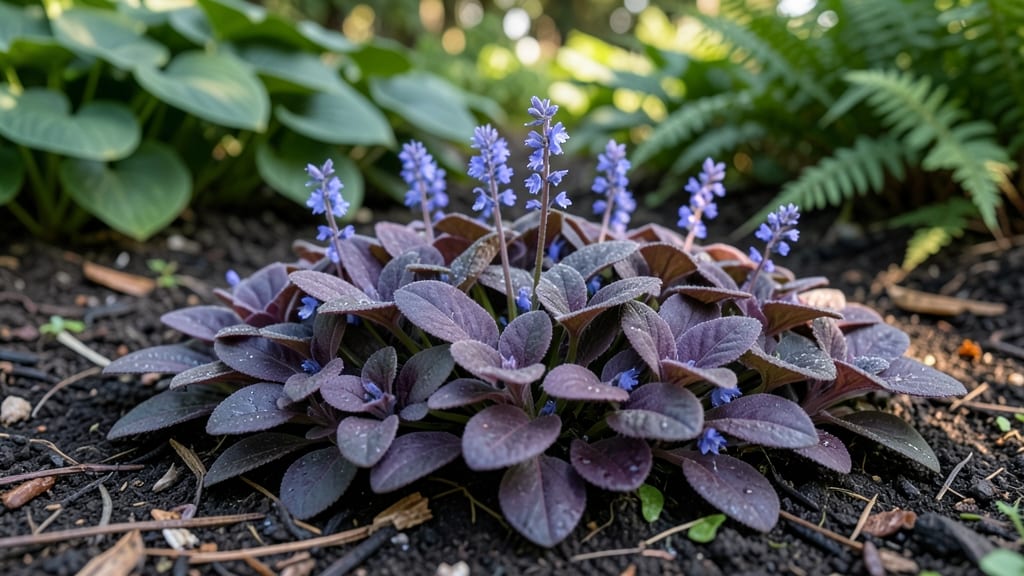
Solid ground gardens aren't just pretty—they're the kind of landscapes that last through storms, stay lush in droughts, and never look like they need a makeover. 🌿 I designed my first one after watching years of mulch wash away and annuals bolt in the heat, and it changed how I garden forever.
The secret lies in pairing sturdy plants with smart soil strategies that hold everything together.
Think of it like building a house: you need a solid foundation before adding the decorative touches. That means choosing deep-rooted perennials like creeping phlox or ornamental grasses that spread naturally, plus ground covers like sedum or ajuga that smother weeds before they start.
Add some erosion-control plants along slopes, and suddenly your garden stops looking temporary. My favorite combo? A mix of 3-inch-tall creeping thyme for texture and 18-inch-tall Russian sage for height—it never needs replanting.
What you end up with is a garden that stays vibrant even when you're not there to fuss over it. The colors layer beautifully from spring through fall, and the structure means you spend less time weeding and more time enjoying it.
Plus, the soil stays rich because the plants work together to hold moisture and nutrients in place. It's the kind of garden that makes neighbors ask, "How do you keep it looking so good?"
Works for everything from small urban yards to large rural properties—just adjust the plant scale to fit your space. The key is starting with the right foundation, and I'll show you exactly how to build one that lasts. No more gardening on borrowed time; this is the real deal.
Underlying Causes Of Soil Struggles
Even the most carefully designed layered garden beds can face challenges that stunt growth, dull colors, or prevent plants from thriving year-round. Understanding the root causes—literally—helps you diagnose and fix issues before they derail your vision.
Below are the key factors that disrupt soil health and plant vitality, explained in actionable terms.
When soil stays soggy for too long, roots suffocate from a lack of oxygen. This is especially true in clay-heavy or compacted soils, where water pools instead of draining. Overwatering or poor slope design can worsen the problem.
- Science behind it: Anaerobic conditions (no oxygen) trigger root rot, weaken plant immunity, and prevent nutrient uptake. Fungi like Phytophthora thrive in waterlogged soil, attacking roots.
- Signs to watch for:
- Yellowing leaves (chlorosis) despite moist soil.
- Mushrooms sprouting on the surface.
- Stunted growth or plants leaning away from wet spots.
- Fix it:
- Amend soil with organic matter (compost, coconut coir) to improve aeration.
- Create raised beds or berms to elevate plants above water tables.
- Install French drains or gravel layers beneath beds for better flow.
Heavy foot traffic, machinery, or naturally dense soils crush soil particles together, reducing pore space for roots and microbes. Compacted soil also repels water, creating dry pockets where plants can’t access moisture.
- Science behind it: Compaction reduces macropores (large air/water channels) by up to 50%, limiting root penetration and microbial activity. Earthworms and beneficial fungi (like mycorrhizae) struggle to thrive.
- Signs to watch for:
- Hard, brick-like soil when pressed.
- Slow growth despite adequate watering.
- Plants wilting quickly after rain (water runs off instead of soaking in).
- Fix it:
- Loosen soil with a broadfork or garden fork (avoid tilling, which disrupts soil life).
- Add chop-and-drop mulch (straw, leaves) or biochar to improve structure.
- Plant deep-rooted cover crops (daikon radish, comfrey) to break up compaction naturally.
Soil isn’t just dirt—it’s a living ecosystem where pH, microbes, and minerals must align for plants to thrive. If the balance tips (too acidic, alkaline, or lacking key nutrients), even hardy plants will struggle.
Common culprits:
| Issue | Cause | Plant Symptoms |
|---|---|---|
| Low pH (too acidic) | Excess pine needles, peat moss, or synthetic fertilizers. | Yellowing leaves (iron/chlorosis), stunted growth in acid-loving plants like azaleas. |
| High pH (too alkaline) | Lime overuse, concrete dust, or hard water runoff. | Purple stems (phosphorus deficiency), yellowing between veins (magnesium deficiency). |
| Nitrogen deficiency | Overwatering leaches nitrogen, or soil is new/unfertilized. | Pale green leaves, slow growth, weak stems. |
| Phosphorus/potassium lockout | Compacted or cold soil binds nutrients, making them unavailable. | Dark green leaves with weak flowers/fruit, brown leaf edges. |
Fix it:
- Test soil with a home pH kit or lab test—aim for 6.0–7.0 for most gardens.
- Adjust pH with:
- Sulfur or pine fines to lower pH.
- Wood ash or crushed oyster shell to raise pH (use sparingly!).
- Add balanced organic fertilizers (fish emulsion, worm castings, or compost tea) for slow-release nutrients.
- Use mycorrhizal fungi to boost nutrient absorption in roots.
Hidden beneath the surface, soil-borne pests and diseases can decimate plants before you notice. Fungal infections, nematodes, and even beneficial microbes (when unbalanced) can turn a thriving garden into a battleground.
- Science behind it:
- Fungal pathogens (e.g., Verticillium, Fusarium) thrive in wet, warm soil and clog plant xylem (water transport system), causing wilting.
- Root-knot nematodes create galls on roots, reducing surface area for nutrient uptake by up to 70%.
- Overuse of synthetic pesticides kills beneficial microbes, creating a vacuum that pests fill.
- Signs to watch for:
- Sudden wilting (even when soil is moist).
- Gnarled or swollen roots when dug up.
- Moldy or foul-smelling soil.
- Plants dying in patches (not uniformly).
- Fix it:
- Rotate crops annually to starve out pathogens.
- Apply compost or biochar to improve soil biology and outcompete bad microbes.
- Use neem oil or beneficial nematodes (e.g., Steinernema) for targeted pest control.
- Plant resistant varieties (e.g., tomato ‘Defiant PhR’ for Fusarium wilt).
Soil temperature directly impacts microbial activity, root growth, and nutrient availability. If your garden swings between freezing winters and scorching summers, soil life hibernates or overworks, leaving plants vulnerable.
- Science behind it:
- Below 40°F (4°C), microbial activity slows by 90%, reducing nutrient cycling.
- Above 90°F (32°C), beneficial microbes die off, and soil becomes hydrophobic (repels water).
- Cold soil also locks up phosphorus, a critical nutrient for flowering.
- Signs to watch for:
- Slow spring growth despite warm air.
- Plants wilting
Fixing Common Garden Troubles
A lush, year-round garden shouldn’t be a mystery—it’s all about addressing issues head-on with the right strategies. Whether you’re dealing with soil struggles, pest invasions, or seasonal challenges, these practical solutions will help your garden thrive.
Below, we’ve mapped out clear cause-to-fix actions and prevention tips to keep your garden on solid ground.
Problem: Heavy clay or packed soil suffocates roots, leading to waterlogging or drought stress.
How to Fix It:
- 🔥 Loosen the Soil: Use a garden fork or tiller to aerate compacted areas, breaking up hardpan layers. Focus on the top 6–12 inches where roots grow.
- 🍳 Amend with Organic Matter: Mix in 3–4 inches of compost, aged manure, or coconut coir to improve texture and drainage. For clay-heavy soil, add sand or perlite (but avoid overdoing it—too much sand can create new problems).
- 👨🍳 Build Raised Beds: Elevate plants in containers or raised beds filled with a 50/50 mix of garden soil and compost. This prevents compaction entirely.
Prevention Tips: ✨ Mulch Religiously: Apply 2–3 inches of mulch (wood chips, straw, or pine needles) to protect soil structure and retain moisture. ✨ Avoid Walking on Beds: Designate paths with stepping stones or gravel to keep soil intact. ✨ Test Your Soil: Use a $10 soil test kit every 2–3 years to monitor pH and nutrient levels.
Problem: Aphids, slugs, powdery mildew, or fungal spots can derail even the healthiest garden.
How to Fix It:
- 🔪 Manual Removal First: Handpick aphids or slugs (especially at dawn) and drop them in soapy water. For mildew, prune infected leaves immediately.
- 🌡️ Natural Sprays: Mix 1 tsp neem oil + 1 tsp dish soap in 1 quart of water for a multi-purpose pest/disease repellent. Spray early morning or evening to avoid harming bees.
- 🎯 Companion Planting: Interplant marigolds (repel nematodes), basil (deters mosquitoes), or chives (keep aphids away) to disrupt pest cycles.
Prevention Tips: 💡 Rotate Crops: Avoid planting the same family (e.g., tomatoes, peppers) in the same spot yearly to break disease cycles. 💡 Encourage Beneficial Bugs: Install a bee bath or ladybug house to attract natural predators. 💡 Water at the Base: Wet foliage invites fungal growth—water early in the day and aim for soil, not leaves.
Problem: Plants may look great in spring but falter in heat or freeze without prep.
How to Fix It:
- 🥘 Winter Protection: For tender perennials, pile mulch 4–6 inches deep over roots after the first frost. Use straw or shredded leaves (avoid grass clippings—they mat down).
- 🌿 Summer Revitalization: Prune leggy growth in early summer to encourage bushier, shade-tolerant foliage. For wilting plants, water deeply 2–3 times a week (early morning is best).
- ⏰ Adjust Plant Placement: Move heat-sensitive plants (like impatiens) to partial shade by late July. Swap out summer annuals for heat-tolerant varieties (e.g., zinnias, portulaca).
Prevention Tips: ✨ Choose Native Plants: Species like black-eyed Susans or coneflowers are bred to handle your local climate extremes. ✨ Drip Irrigation: Install a low-flow system to deliver water directly to roots, reducing evaporation and wilting. ✨ Succession Plant: Replace spring blooms with late-summer/fall varieties (e.g., mums, asters) to keep color going.
Problem: Too many plants in one spot steal nutrients, light, and water, leading to weak growth.
How to Fix It:
- 🔪 Thin Out: Use clean pruners to remove 1/3 of crowded stems, focusing on the smallest or weakest plants.
- 🍳 Divide Perennials: Dig up overgrown perennials (like hostas or daylilies) every 3–4 years, split the roots, and replant sections.
- 👨🍳 Reorganize Beds: Swap out aggressive spreaders (mint, bamboo) for clumping plants or move them to contained areas.
Prevention Tips: 💡 Plan Spacing: Check plant tags for mature size and space accordingly (e.g., 18–24 inches for daylilies, 3 feet for shrubs). 💡 Use Ground Covers: Plant creeping thyme or clover between larger plants to suppress weeds and reduce competition.
Final Pro Tip: 🌟 Keep a Garden Journal! Note what works (and what doesn’t) each season—your future self will thank you. With these fixes, your garden will stay resilient, vibrant, and full of life no matter the challenge.
Frequently asked questions about solid ground gardens
What makes a garden truly "solid ground"?
A solid ground garden combines stable soil foundations with low-maintenance plants that anchor themselves naturally. Think deep-rooted perennials like creeping phlox, erosion-resistant ground covers (sedum or ajuga), and structural elements like retaining walls or heavy mulch layers. The key is creating a self-sustaining ecosystem where plants support each other rather than competing.
Can I create this style in a small urban yard?
Urban solid ground gardens thrive with vertical layers and compact perennials. Use container gardens for herbs and shallow-rooted plants, install raised beds with erosion-control fabrics, and choose dwarf varieties like miniature hostas or creeping thyme. Even a balcony can work with hanging planters filled with succulents or trailing sedum—they'll create that same sturdy, layered look.
How do I prevent erosion in sloped areas?
Start with deep-rooted plants like Russian sage or switchgrass to hold soil in place. Add 3-4 inches of wood chip mulch on slopes to slow water runoff, and install terraced beds or retaining walls if needed. For steep areas, try native ground covers like creeping juniper—they spread quickly and create natural barriers. Always water gently to avoid washing away soil.
What's the biggest mistake people make with these gardens?
Overcomplicating the plant selection! Many try to mix too many annuals or fast-growing plants that need constant replacement. The secret is 70% perennials that return yearly plus 30% structural plants (grasses, shrubs). Annuals can be used sparingly for seasonal pops of color. Also, avoid tilling—it disrupts the soil's natural stability and beneficial microbes.
How much maintenance do solid ground gardens really need?
Once established, these gardens require minimal upkeep—about 1-2 hours per month for weeding, mulch replenishment, and light pruning. The real work happens at planting when you prepare the soil properly. After that, the deep-rooted plants compete with weeds naturally, and the mulch layer suppresses new growth. You'll spend more time admiring than working!