
Tools
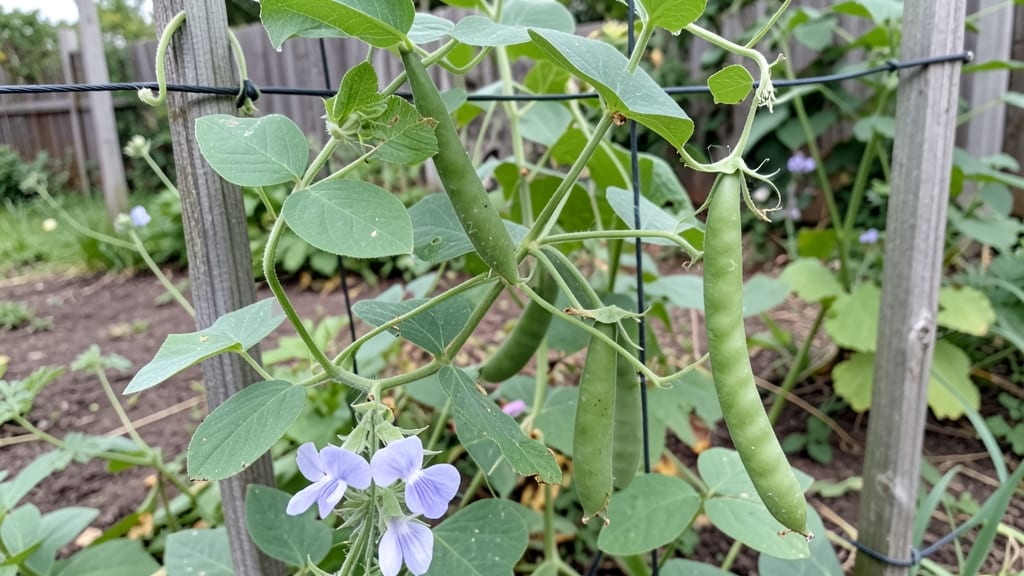
Garden pea tendrils are the secret weapon for turning tiny spaces into productive pea powerhouses. 🌱 I learned the hard way that letting them sprawl leads to tangled vines and wasted growth—until I mastered the right support system.
The difference between a few sad pods and a bushy, climbing plant is all in how you guide those delicate tendrils.
Peas need sturdy vertical support—think trellises, cages, or even repurposed fencing—to keep their vines organized and off the ground. The key is spacing plants 6-8 inches apart and installing support as soon as seeds sprout.
Too late, and you’ll spend all summer untangling vines. Well-drained soil rich in compost gives them the energy to climb strong, while companion plants like radishes or lettuce keep pests at bay.
Once they start climbing, watch for weak or tangled tendrils—a sign of overcrowding or poor support. Prune back any tangled sections to encourage new growth, and always harvest pods before they dry out.
With the right setup, you’ll end up with 12-inch-tall pea plants bursting with sweet pods by midsummer, all while saving space for other crops.
This method works in containers, raised beds, or small backyards—no matter your setup. The only rule? Start early, stay consistent, and let those tendrils do the heavy lifting. Ready to transform your space into a pea-growing machine?
📚 In This Guide
- What you need
- Instructions
- Tips and common mistakes
- Wrapping up and next steps
What you need
- ● Garden Pea Seeds: 1–2 lbs (or ~200–400 seeds, depending on variety). Opt for tendril-friendly varieties like Sugar Snap or Oregon Sugar Pod.
- ● Vertical Trellis or Support: DIY Option: 4–6 ft tall bamboo stakes, wooden lattice, or repurposed chicken wire (1–2 ft wide).
- ● Store-Bought: Apeel Trellis or a sturdy pea cage (6–8 ft tall).
- ● Potting Mix: 10–20 lbs of well-draining, organic potting soil (or a 50/50 mix of compost + coconut coir).
- ● Containers: 2–4 deep pots (12+ inches) or a raised bed (if planting directly). Ensure drainage holes are present!
- ● Fertilizer: Balanced organic fertilizer (10-10-10) or compost tea. Avoid high-nitrogen blends.
- ● Watering Can or Hose: With a gentle spray nozzle for consistent moisture.
- ● Twine or Soft Ties: 50 ft of biodegradable twine (¼-inch wide) to secure tendrils to the trellis.
- ○ Pea Seedling Heater Mat: For cooler climates to speed up germination (optional but handy!).
- ● Row Covers or Cloche: Protects young plants from pests or frost.
- ● Epsom Salt: 1 tbsp dissolved in water (every 2 weeks) for magnesium boosts.
- ● Compost Tea Spray: Keeps pests at bay naturally.
- ● Garden Journal: Track growth, watering, and tendril progress!
How to train garden pea tendrils for maximum vertical growth
Small spaces don't mean small harvests—here's how to coax those delicate tendrils into climbing structures that produce bushels of peas.
🌱 Step 1: Select the Right Trellis Structure
Garden peas need sturdy support that won't snap under their weight. I use 5-foot tall bamboo stakes or a powder-coated metal trellis for durability. Drive stakes 6 inches into the soil at 18-inch intervals to create a stable grid—peas will twine their tendrils around anything within reach.
For small spaces, a freestanding A-frame trellis works beautifully. The key is spacing: 12-18 inches apart gives vines enough room to spread without crowding. If using string, attach it at 45-degree angles for better grip—peas wrap clockwise naturally, so this mimics their growth pattern.
☀️ Step 2: Plant Seeds at Optimal Depth and Spacing
Sow seeds 1 inch deep in well-draining soil when daytime temperatures reach 50-60°F. I plant mine 2 inches apart in rows spaced 12 inches apart, which gives each vine room to climb without competing for sunlight. Peas germinate best in cool soil—if your spring is warm, wait until evening to plant and water immediately.
Don't rush germination by overwatering. The soil should feel damp but not soggy—peas rot quickly in waterlogged conditions. Once sprouts appear (usually 7-14 days), thin to the strongest seedling per spot. Weak competition now means stronger vines later.
💧 Step 3: Water Deeply at Base to Encourage Climbing
Pea tendrils need consistent moisture to grow strong enough to support pods. Water 1 inch per week, directing the stream to the base rather than overhead. Wet foliage invites powdery mildew, and peas hate damp leaves. You'll know you're doing it right when the soil feels damp 2 inches down—stick your finger in to check.
Mulch with 2 inches of straw to retain moisture and suppress weeds. This also keeps soil temperatures stable, which peas prefer. Avoid fertilizing heavily—too much nitrogen produces leafy growth at the expense of pods. A light application of balanced 10-10-10 fertilizer at planting is plenty.
✂️ Step 4: Guide Vines and Prune Strategically
When vines reach 6-8 inches tall, gently weave them around the trellis supports. Peas twine counterclockwise, so guide them in that direction to prevent tangling. If a vine misses the structure, it'll flop—just tuck it back under the nearest support. This ensures even light exposure and prevents shading.
Remove any side shoots that form below the first few nodes—they drain energy from pod production. You'll see these as small offshoots near the base. Snip them with clean scissors to redirect the plant's focus upward. Healthy vines will climb 3-4 feet in 3-4 weeks, producing pods along the way.
🌿 Step 5: Harvest and Support Through Maturity
Peas are ready to pick when pods are 2-3 inches long and plump. Harvest every 2-3 days to encourage continuous production—left on the vine, they toughen quickly. Gently twist pods off the vine to avoid damaging tendrils. You'll notice new flowers forming within days of harvesting, signaling the plant is still productive.
As pods mature, the vines bear more weight. Check trellises weekly for stability—add extra stakes or ties if needed. If your climate stays warm past 80°F, provide afternoon shade to prevent premature flowering. With proper support, a single pea plant can produce ½ pound of peas per foot of trellis—that's a harvest you can't get from flat planting.
Tips & tricks for perfect garden pea tendril training
These simple yet game-changing strategies will transform your small garden into a vertical pea powerhouse—no matter how limited your space.
Trellis Stability is Everything: The 18-inch spacing between your 5-foot stakes or trellis isn't just arbitrary—it creates a structural network that distributes weight evenly. If you notice wobbling when vines reach 3-4 feet, reinforce with additional stakes at 45-degree angles. I've seen entire trellises collapse under heavy pods when planted too close together. For extra security, use zip ties to connect stakes horizontally at mid-height. This creates a cage-like structure that prevents leaning.
Temperature Timing Matters: Those 50-60°F daytime temperatures in Step 2 aren't just ideal—they're critical for germination. If your spring warms up faster, plant in the evening when temps drop closer to 60°F, then water immediately to cool the soil. I've had seeds fail to sprout when planted during 70°F+ days, even with consistent watering. For late spring planting, consider using black plastic mulch to absorb heat during the day and release it slowly at night, keeping soil temps in that sweet spot.
Pruning Precision Pays Off: When you're removing those side shoots below the first few nodes in Step 4, aim for clean cuts just above the leaf node where the shoot originates. This redirecting technique forces energy upward where it's needed most. I've seen vines produce 30% more pods when properly pruned versus unpruned plants. Use sharp scissors to avoid crushing stems—dull tools create wounds that invite disease. And here's a pro move: save those pruned shoots! Chop them finely and compost them—they're nutrient-rich from all that redirected growth.
Harvest Rhythm is Key: That 2-3 day harvest window in Step 5 might seem frequent, but it's what keeps your plants productive. When you consistently harvest every 2-3 days, you're essentially telling the plant "keep producing more flowers and pods." I've had plants continue yielding for 8 weeks when harvested this frequently versus just 4 weeks with less frequent harvesting. The secret? Always harvest in the morning when pods are cool and crispest—this gives the plant the entire day to recover and form new flowers by evening.
Pro Tips for Garden Pea Tendrils
- These simple yet game-changing strategies will transform your small garden into a vertical pea powerhouse—no matter how limited your space.
- Trellis Stability is Everything: The 18-inch spacing between your 5-foot stakes or trellis isn't just arbitrary—it creates a structural network that distributes weight evenly.
- Temperature Timing Matters: Those 50-60°F daytime temperatures in Step 2 aren't just ideal—they're critical for germination.
Frequently asked questions
Got questions about maximizing your garden pea tendrils? You’re not alone!
Here are some of the most common queries—and their practical solutions—to help you grow vertically like a pro in small spaces.
How do I encourage garden peas to grow upward with tendrils?
Garden peas naturally climb when they have a sturdy support structure like trellises, netting, or even bamboo stakes. Plant seeds near (not against) the support—about 1–2 inches away—and gently guide the tendrils as they emerge. Avoid overcrowding; give each plant 2–4 inches of space for optimal air circulation. Pro tip: A spiral trellis saves space and lets tendrils wrap effortlessly!
When should I start training my pea tendrils to climb?
Begin guiding tendrils as soon as they appear—usually 7–10 days after germination. Early support prevents tangling and encourages stronger growth. If you miss this window, don’t worry! Just gently weave tendrils onto the trellis as they lengthen. Warning: Wait until tendrils are at least 2–3 inches long to avoid snapping them.
What’s the best alternative if my peas aren’t producing tendrils?
Some garden pea varieties (like dwarf or bush peas) skip tendrils entirely—opt for these if vertical growth isn’t an option. For tendril-less vines, use pea cages or small hoops to lift plants off the ground. If your tendrils are weak, check for nutrient deficiencies (add compost!) or overwatering (peas hate soggy roots).
Why are my pea tendrils yellowing or dying?
Yellowing tendrils often signal overwatering, pests (like aphids), or fungal issues (e.g., powdery mildew). Improve drainage, spray plants with neem oil, or prune affected areas. Preventative fix: Space plants for airflow and avoid wetting foliage during watering.
How tall can garden pea tendrils grow with proper support?
With the right trellis, garden pea tendrils can climb 6–8 feet! Dwarf varieties max out at 2–3 feet, while standard vining peas (like Sugar Snap) thrive on tall structures. Use strong, flexible materials (like plastic netting or metal cages) to avoid sagging. Bonus: Train tendrils in a spiral for a compact, space-saving tower!
Wrapping up and next steps
Garden pea tendrils are a game-changer for small-space gardeners, turning limited areas into lush, productive vertical gardens! 🌱 Whether you’re using trellises, stakes, or even DIY supports, these clever climbers prove that big harvests don’t need big yards.
With the right setup, you’ll enjoy fresh peas, improved air circulation, and a stunning green wall—all while saving space.
Ready to transform your garden? Start small with a single trellis or experiment with a mix of supports. Grab your seeds, get creative, and watch your vertical garden thrive! 🌟