
Tools
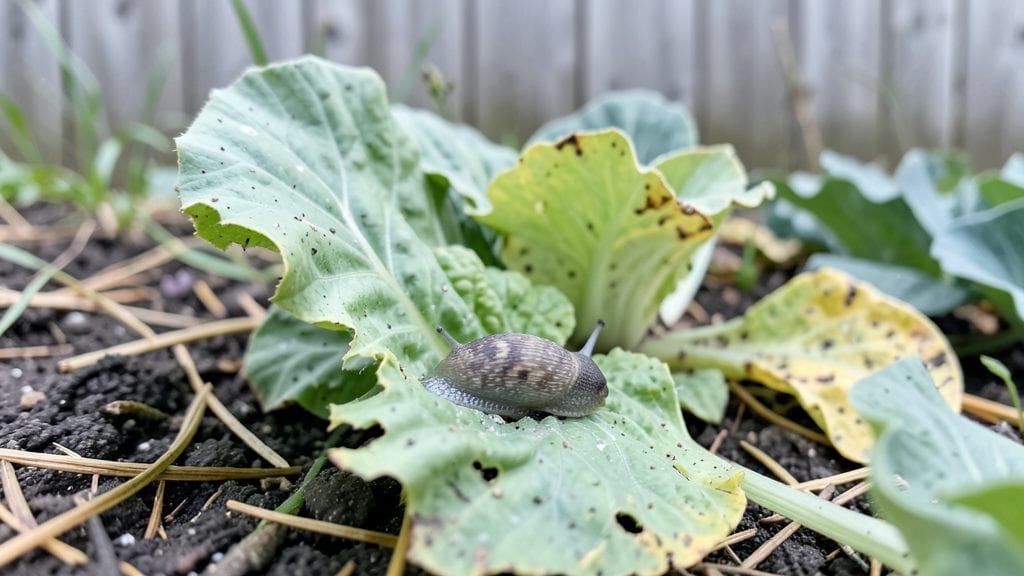
These garden pest photos saved my garden—until I learned to spot the early warnings before they turned into a full-blown crisis. 🌱 I’ve lost entire crops to sneaky invaders that went unnoticed until it was too late—until I matched the damage to the culprits. right culprits.
This guide turns guesswork into action with clear photos and simple descriptions of the most common troublemakers.
From tiny aphids clustering on new growth to the jagged edges of slug damage on lettuce, each pest leaves a unique fingerprint. You’ll learn how to distinguish between harmless visitors and destructive pests, plus when to intervene and how.
No more wasting time on the wrong fixes—just targeted solutions that actually work.
The payoff? A garden that thrives without constant battles. You’ll spot the first signs of trouble, act fast, and keep your plants healthy—no more mystery wilting or disappearing harvests. Think of it as pest detective work, but with a happy ending for your plants.
Whether you’re dealing with beetles, caterpillars, or something squishy in the night, this guide covers the basics so you can tackle problems before they spiral. Let’s get your garden back in control—starting with the first photo.
Root Causes Of Garden Pests
Understanding why pests invade your garden is the first step to preventing them. These tiny troublemakers don’t just show up randomly—they’re drawn by specific conditions in your outdoor space. Let’s break down the science behind their behavior and how your garden might be sending out an open invitation.
Pests thrive in dense, unhealthy plant growth because:
- Limited airflow creates damp, humid microclimates—ideal for fungus gnats, slugs, and mites.
- Competition for nutrients weakens plants, making them easier targets for aphids, caterpillars, and beetles.
- Shaded, moist soil attracts root-feeding pests like grubs and wireworms, which multiply rapidly in organic-rich environments.
Actionable fix: Prune regularly, space plants properly, and avoid over-fertilizing with nitrogen-heavy mixes, which can stimulate excessive leafy growth.
Stressed or sick plants emit volatile organic compounds (VOCs), chemical signals that pests detect from yards away.
Common triggers include: - Nutrient deficiencies (e.g., magnesium or potassium shortages) make plants more susceptible to spider mites and whiteflies. - Water stress (over- or under-watering) disrupts plant defenses, inviting borers and scale insects. - Disease presence (like powdery mildew or bacterial spots) attracts pests that feed on weakened tissue.
Pro tip: 💡 Conduct a soil test every 2–3 years to ensure your plants get balanced nutrition. Healthy plants naturally repel many pests!
Pests are highly sensitive to temperature and humidity.
Here’s how seasonal changes play a role: | Pest Type | Trigger Conditions | Peak Activity | |----------------------|------------------------------------------------|----------------------------| | Aphids | Warm, humid springs (60–80°F) | Early summer | | Japanese Beetles | Hot, dry summers (above 85°F) | July–August | | Slugs & Snails | Cool, rainy nights (50–65°F) + high humidity | Spring & fall | | Fungus Gnats | Overly moist, warm soil (70–80°F) | Indoor/outdoor greenhouses |
Key insight: 🌡️ Extreme weather—like sudden heatwaves or prolonged drought—can also stress plants, making them more vulnerable to attacks.
Pests follow the same logic as wildlife: if there’s food and shelter, they’ll move in.
- Soft, tender plants (like young seedlings or basil) attract chewing insects like cutworms and cabbage worms.
- Decaying matter (fallen leaves, compost piles, or mulch) becomes a breeding ground for earwigs, pill bugs, and even rodents.
- Weeds and alternative hosts (e.g., dandelions for aphids or nightshade for Colorado potato beetles) provide a backup food source, delaying eradication efforts.
Prevention tip: ✨ Remove debris regularly and choose pest-resistant plant varieties (e.g., marigolds deter nematodes, while nasturtiums repel aphids).
Sometimes, we accidentally create pest paradises.
Common culprits: - Overwatering (especially at night) keeps soil saturated, encouraging slugs and fungal pests. - Using broad-spectrum pesticides kills natural predators (like ladybugs and lacewings), leading to secondary pest outbreaks. - Poor sanitation (e.g., leaving fallen fruit on the ground) attracts fruit flies, wasps, and raccoons.
Quick fix: 🔥 Rotate watering times to early morning and hand-pick pests (like tomato hornworms) before they multiply.
When the balance of your garden’s ecosystem tips, pests take over.
For example: - Loss of beneficial insects (due to habitat destruction or pesticides) removes natural checks on pest populations. - Monoculture planting (growing the same crop in large blocks) makes it easier for pests to locate and devastate entire sections. - Introduced species (like the emerald ash borer or kudzu bug) have no natural predators in new regions, allowing them to spread unchecked.
Solution: 🌿 Diversify your garden with companion plants (e.g., basil near tomatoes) and create habitats for pollinators and predators (like bee houses or bird baths).
By addressing these root causes, you’ll disrupt the cycle that keeps pests thriving. The next step? Spot them early—and that’s where our visual guide to garden pest photos comes in!
Quick Fixes for Common Garden Pests
Pests in your garden aren’t just annoying—they can wreak havoc on your plants before you even notice! But don’t panic. With the right approach, you can tackle these intruders effectively and keep your garden thriving.
Below, we’ve matched common garden pests to practical solutions, so you can act fast and prevent future problems.
Cause: These sap-sucking insects cluster on new growth, leaves, and stems, causing curled leaves, sticky residue (honeydew), and weakened plants.
Fix:
- 🔥 Blast them off – Use a strong stream of water from your hose to knock them off plants. Repeat every few days.
- 🍳 Soapy water spray – Mix 1 tablespoon of mild dish soap with 1 quart of water. Spray directly on aphids (avoid beneficial insects by applying in the early morning).
- 👨🍳 Introduce predators – Ladybugs, lacewings, and parasitic wasps love aphids. Encourage them by planting flowers like marigolds or dill nearby.
💡 Prevention Tip: Plant aphid-resistant varieties (e.g., nasturtiums or basil) and keep your garden healthy with balanced fertilization.
Cause: These slimy pests leave irregular holes in leaves and flowers, especially after rain or at night.
Fix:
- 🥘 Beer traps – Bury a shallow dish filled with beer near affected plants. Slugs and snails are attracted to it and drown.
- 🔪 Copper barriers – Place copper tape around garden beds. The metal gives them a mild electric shock, deterring them from crossing.
- 🌡️ Diatomaceous earth – Sprinkle food-grade DE around plants. It’s non-toxic but deadly to slugs by dehydrating them.
🎯 Pro Tip: Handpick slugs in the evening (they’re slow and easy to spot!) and drop them in soapy water.
Cause: These tiny white insects flutter above plants, sucking sap and leaving a sticky mess. They thrive on warm, humid days.
Fix:
- 🍳 Yellow sticky traps – Hang yellow cards coated with sticky glue near infested plants to trap adults.
- 🔥 Neem oil spray – Mix 1 tablespoon of neem oil with 1 quart of water and a drop of dish soap. Spray undersides of leaves where they hide.
- 👨🍳 Beneficial wasps – Release Encarsia formosa, a parasitic wasp that preys on whitefly larvae.
✨ Prevention Tip: Keep your garden well-ventilated and avoid overwatering to discourage their growth.
Cause: These metallic-green beetles devour leaves, flowers, and even fruit, leaving behind skeletonized foliage.
Fix:
- 🔪 Handpick & drown – Drop beetles into soapy water (wear gloves—they bite!).
- 🥘 Milky spore treatment – Apply Bacillus popilliae (milky spore) to your soil. It targets Japanese beetle grubs without harming plants.
- 🍳 Kaolin clay spray – Mix 2 tablespoons of kaolin clay with 1 gallon of water. Spray on plants to create a barrier they dislike.
💡 Prevention Tip: Plant traps like roses or grapes nearby to lure them away from your prized plants.
Cause: These green or yellow caterpillars munch on brassicas (cabbage, broccoli, kale) and can defoliate plants quickly.
Fix:
- 🔪 Handpick & drop – Check leaves daily and drop worms into soapy water.
- 🍳 Bt spray (Bacillus thuringiensis) – A natural bacterial spray that kills caterpillars but is safe for humans and pets.
- 🥘 Row covers – Use lightweight fabric to cover young plants and block adult butterflies from laying eggs.
🎯 Pro Tip: Interplant brassicas with herbs like thyme or sage to repel cabbage worms naturally.
📊 General Garden Defense Tips:
- 🌱 Healthy soil = strong plants – Use compost and organic matter to boost plant resilience.
- 🕒 Early detection – Check your garden regularly (especially after rain) to catch pests before they spread.
- 🌿 Diversify your plants – A varied garden attracts beneficial insects that prey on pests.
With these targeted solutions, you’ll be well on your way to a pest-free paradise! 🌿🚫🐛
Frequently asked questions about garden pest identification
How do I know if the damage in my garden is from pests or natural causes?
Look for distinct patterns like chewed edges (slugs), tiny holes (spider mites), or curled leaves (aphids). Natural damage often appears random, while pests leave specific marks—like jagged holes from beetles or silky webbing from spiders. Check plant undersides too, where many pests hide.
Can I use these pest photos to identify problems in my vegetable garden?
Vegetable gardens are prime targets for pests like cabbage worms, tomato hornworms, and aphids. Compare the photos to your plants—look for matching damage (e.g., skeletonized leaves = beetles) or the pests themselves. Early ID means faster action!
What’s the best time of day to spot pests in my garden?
Early morning or late afternoon is ideal! Many pests (like slugs or caterpillars) are sluggish in direct sunlight. Check leaves, stems, and soil for signs—aphids cluster on new growth, while Japanese beetles hide under mulch during heat. A flashlight helps reveal nocturnal pests after dark.
How do I take good photos of garden pests for identification?
Use natural light and a magnifying glass for close-ups. Focus on key details: body shape, color, and damage patterns. Avoid zooming—capture full-body shots first. If pests are tiny, place a ruler or coin beside them for scale. Snap photos from multiple angles!
What should I do if I can’t find a match for my pest in the photos?
Check local extension services or gardening forums—they often have regional guides. Describe the pest’s size, color, and behavior (e.g., "small black beetle with orange spots"). If unsure, capture a video or sketch it. Some pests (like invasive species) may need professional help!