
Tools
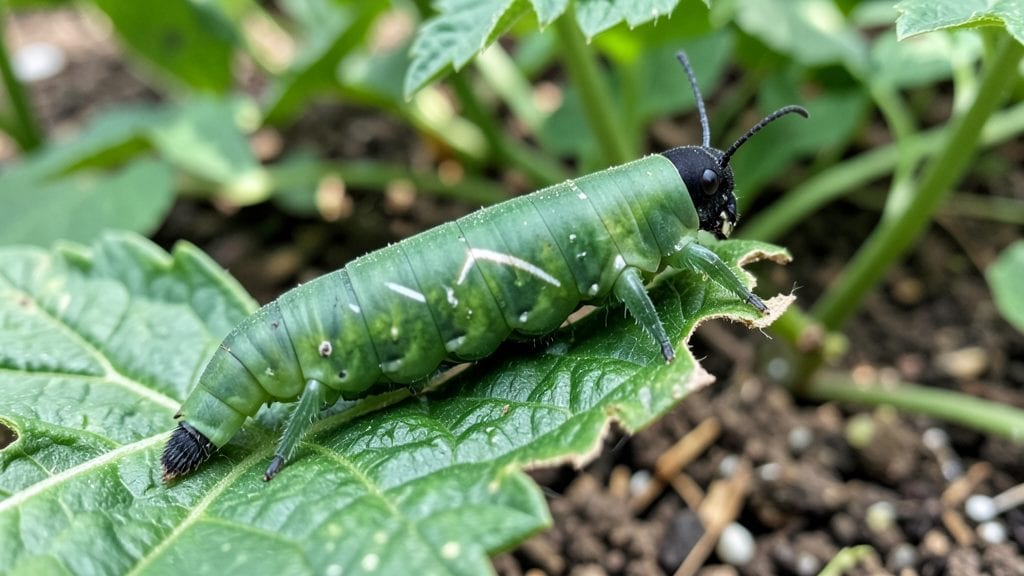
When garden pests and bugs turn your thriving plants into a buffet, the right organic sprays can be your secret weapon. 🌱 I’ve spent years testing homemade solutions after watching my tomatoes get skeletonized by hornworms and my roses turn sticky with aphids—until I found the sprays that actually work without harming pollinators or my family’s veggies.
The key isn’t just mixing ingredients—it’s timing and targeting. Neem oil, for example, smothers soft-bodied pests like aphids when applied at dusk, while garlic spray deters chewing insects by confusing their scent receptors.
These aren’t quick fixes; they’re part of a long-term strategy that keeps pests off guard and your garden productive.
By the end of this, you’ll have a customizable spray arsenal that tackles everything from Japanese beetles to powdery mildew. No more helplessly watching your hard work disappear—just a few targeted sprays and a garden that fights back. Let’s get those pests packing their bags.
Works for vegetable gardens, flower beds, and even houseplants, with adjustments for seasonal outbreaks. The best part? These sprays break down naturally, leaving your soil—and your conscience—clean. Ready to reclaim your garden?
Root Causes Of Garden Invaders
Understanding why pests and bugs overrun your garden starts with recognizing the environmental triggers and plant behaviors that attract them. Here’s a breakdown of the key factors at play:
Weak or overcrowded plants are like an all-you-can-eat buffet for pests. When plants struggle due to poor spacing, competition for nutrients, or disease, they become stressed—and stressed plants emit volatile organic compounds (VOCs) that signal distress to insects.
For example: - Aphids and whiteflies are drawn to sweet, sugary sap that stressed plants produce in excess. - Cabbage worms and slugs target plants with tender, damaged leaves, which are easier to feed on when growth is stunted. - Root maggots thrive in compacted soil where roots can’t access oxygen, making plants more vulnerable.
Actionable fix: Prune regularly, thin seedlings, and ensure proper spacing (check plant tags for guidelines). Healthy soil = stronger defenses.
Pests like slugs, snails, and fungus gnats love damp conditions because they:
- Breathe through their skin, requiring moisture to stay hydrated.
- Lay eggs in soggy soil, where larvae can develop without drying out.
- Spread fungal diseases (like powdery mildew) that weaken plants further.
Red flags:
- Yellowing leaves or wilting despite watering (signs of overwatering).
- Puddles or muddy soil after rain (poor drainage).
- Mushrooms sprouting in your garden beds (a slug/snail magnet).
Actionable fix:
- Improve drainage with organic matter (compost or perlite).
- Water deeply but less frequently (early morning is best).
- Use gravel or sand in containers to prevent waterlogging.
Too much nitrogen (common in synthetic fertilizers) makes plants grow fast but weak, with soft stems and broad leaves—perfect for chewing insects like Japanese beetles and cucumber beetles. Meanwhile, phosphorus-heavy soils attract root-feeding pests because they signal decaying organic matter (a food source for larvae).
Signs of imbalance:
- Dark green, lush growth with few flowers/fruit (nitrogen excess).
- Yellowing lower leaves (phosphorus deficiency, but also attracts pests).
- Stunted growth despite regular watering (potassium deficiency).
Actionable fix:
- Test your soil (DIY kits or local extension services).
- Use balanced organic fertilizers (5-5-5 or 3-4-6 NPK ratio).
- Compost tea boosts microbial life, which naturally deters pests.
A garden ecosystem without beneficial insects (like ladybugs, lacewings, and parasitic wasps) is like a city with no police—pests move in freely.
These predators keep bug populations in check by: - Eating eggs or larvae (e.g., ground beetles devouring cutworm eggs). - Parasitizing pests (e.g., braconid wasps turning caterpillars into hosts). - Competing for food (e.g., predatory mites outnumbering spider mites).
Why they disappear:
- Pesticide use (even organic sprays can harm them).
- Monoculture planting (lack of diversity = no habitat).
- Harsh weather (drought or extreme cold).
Actionable fix:
- Plant companion flowers (e.g., dill, fennel, or marigolds to attract predators).
- Avoid broad-spectrum sprays—opt for targeted organic solutions.
- Leave some "wild" areas (leaf litter, untidy corners) for overwintering predators.
Pests don’t just appear—they time their life cycles to exploit weak points in your garden’s defenses.
For example: - Early spring: Cutworms emerge as soil warms, targeting young seedlings. - Summer heat: Aphids multiply faster in warm, dry conditions. - Fall rains: Fungus gnats and earwigs thrive in damp, decaying leaves. - Winter mild spells: Overwintering pests (like boxelder bugs) wake up early.
Actionable fix:
- Monitor weather patterns and adjust care (e.g., mulch heavily before rain).
- Use row covers in early spring to block flying pests.
- Rotate crops annually to disrupt pest life cycles.
Sometimes, we’re the problem. Leaving out:
- Decaying organic matter (compost piles, fallen fruit) attracts fruit flies and maggots.
- Pet food or birdseed draws ants, rodents, and beetles.
- Unwashed tools or pots can harbor disease spores and pest eggs.
Actionable fix:
- Store compost in sealed bins (or use a worm bin indoors).
- Clean up debris weekly (especially after storms).
- Disinfect tools with rubbing alcohol or bleach solution between uses.
Pro Tip: 💡 Pests follow patterns—track what triggers outbreaks in your garden (e.g., after pruning, rain, or planting tomatoes). Once you spot the pattern, you can prevent rather than react!
Natural Fixes for Common Garden Invaders
Now that you know why pests and bugs are crashing your garden party, let’s roll up our sleeves and tackle them the organic, effective way—without harsh chemicals.
Below, we’ve mapped out practical solutions for the most common culprits, from aphids to slugs, along with prevention tips to keep your garden thriving long-term.
Cause: Tiny, sap-sucking aphids cluster on new growth, leaving sticky residue (honeydew) and stunted plants. Fix:
- 🔥 Blast Them Off – Use a strong spray of water (from a hose or spray bottle) to dislodge them. Do this early in the morning when they’re sluggish.
- 🍳 Soapy Water Solution – Mix 1 tbsp mild dish soap (like Castile) with 1 quart water in a spray bottle. Test on a small leaf first, then spray directly on aphids. Reapply every 3–4 days until gone.
- 👨🍳 Ladybugs & Lacewings – Release beneficial insects (available at garden centers) or plant dill, fennel, or marigolds to attract them naturally.
💡 Prevention Tip: Plant garlic, chives, or rosemary nearby—aphids hate the scent! Also, remove infected leaves immediately to stop spread.
Cause: These slimy invaders munch on leaves overnight, leaving silver trails and ragged holes. Fix:
- 🥘 Beer Traps – Bury a shallow container (like a yogurt cup) filled with beer rim-side down in the soil. Slugs crawl in and drown—empty and refill every 2–3 days.
- 🔪 Copper Barrier – Wrap copper tape around raised beds or pots. The electric shock (from their slime) deters them.
- 🌡️ Diatomaceous Earth (DE) – Sprinkle food-grade DE around plants. It’s harmless to humans but dehydrates slugs in 24–48 hours. Reapply after rain.
💡 Prevention Tip: Water early in the day so slugs aren’t attracted to damp soil at night. Also, crush egg cases (tiny, jelly-like) to stop the next generation!
Cause: These shiny green-and-copper beetles skeletonize leaves, devouring roses, grapes, and beans in minutes. Fix:
- 🍳 Handpick & Drop – Fill a bucket with soapy water and scoop beetles off plants into it. Do this early morning when they’re slow.
- 🔪 Neem Oil Spray – Mix 1 tbsp neem oil + 1 tsp dish soap + 1 quart water. Spray directly on beetles (avoid flowers to protect bees). Reapply after rain.
- 🎯 Milky Spore or Beneficial Nematodes – For long-term control, apply milky spore powder to the soil. It kills beetle grubs before they emerge.
💡 Prevention Tip: Plant trap crops like marigolds or cosmos—beetles flock to them instead of your veggies!
Cause: Tiny white moths cluster on undersides of leaves, weakening plants with sticky honeydew and spreading viruses. Fix:
- 🔥 Yellow Sticky Traps – Hang yellow cards coated in petroleum jelly near plants. Whiteflies stick instantly.
- 🥘 Insecticidal Soap – Spray undersides of leaves with soapy water (same recipe as aphids) every 5–7 days.
- 🌿 Beneficial Wasps – Release parasitic wasps (like Encarsia formosa), which lay eggs inside whitefly larvae.
💡 Prevention Tip: Isolate new plants for 2 weeks before adding them to your garden—whiteflies hitchhike easily!
Cause: Most ants aren’t harmful, but they farm aphids (protecting them for honeydew) and can invade homes. Fix: - 🔪 Diatomaceous Earth Barrier – Draw a line of DE around ant trails.
They’ll avoid it and starve. - 🍳 Vinegar Spray – Mix 1:1 vinegar and water, spray directly on trails (reapply after rain). - 🌿 Natural Deterrents – Plant mint, lemon thyme, or cloves near entry points—ants hate the smell.
💡 Prevention Tip: Fix moisture issues (ants seek water) and seal cracks in your garden borders.
✅ Rotate crops yearly to starve soil-borne pests. ✅ Mulch with straw or wood chips—it deters slugs and retains moisture. ✅ Encourage biodiversity—birds, frogs, and predatory insects keep pest populations in check. ✅ Inspect plants weekly—catch infestations early before they spread.
Final Thought: Most garden pests can be controlled without chemicals—it just takes consistency and a little elbow grease. Try one method at a time, monitor results, and adjust as needed. Your garden (and your sanity) will thank you! 🌿💚
Frequently asked questions
What’s the fastest way to get rid of slugs without chemicals?
Try a beer trap—bury a shallow container filled with beer rim-side down in the soil. Slugs crawl in and drown within 24 hours. For immediate action, sprinkle food-grade diatomaceous earth around plants—it dehydrates slugs in 1-2 days but is safe for humans. Reapply after rain.
Can I use coffee grounds to repel garden pests?
Yes! Coffee grounds deter ants, slugs, and cats while enriching soil with nitrogen. Sprinkle a 1-inch layer around plants or mix into compost. Just avoid overapplying—too much can make soil too acidic. For best results, reapply every 2-3 weeks or after rain.
Why do my plants keep getting aphids even after spraying?
Aphids multiply rapidly—you may need 3-4 applications of insecticidal soap or neem oil, spaced 5-7 days apart. Check for ant trails (they "farm" aphids)—use vinegar spray or diatomaceous earth to break their protection. Also, remove heavily infested leaves immediately to stop the cycle.
Are there any plants that naturally repel most garden pests?
Marigolds deter aphids, Japanese beetles, and nematodes. Basil repels thrips and mosquitoes while enhancing tomato flavor. Garlic and chives keep aphids and slugs away. Plant these strategically around your garden’s perimeter for all-season protection.
How do I know if my garden pests are beneficial or harmful?
Look for predators like ladybugs, lacewings, and ground beetles—they eat harmful pests. Harmful pests (e.g., aphids, Japanese beetles) damage leaves, stems, or fruits. Beneficial insects often have bright colors or patterns (like ladybugs) while pests are usually soft-bodied or camouflaged. When in doubt, research the specific bug’s life cycle.