Trees
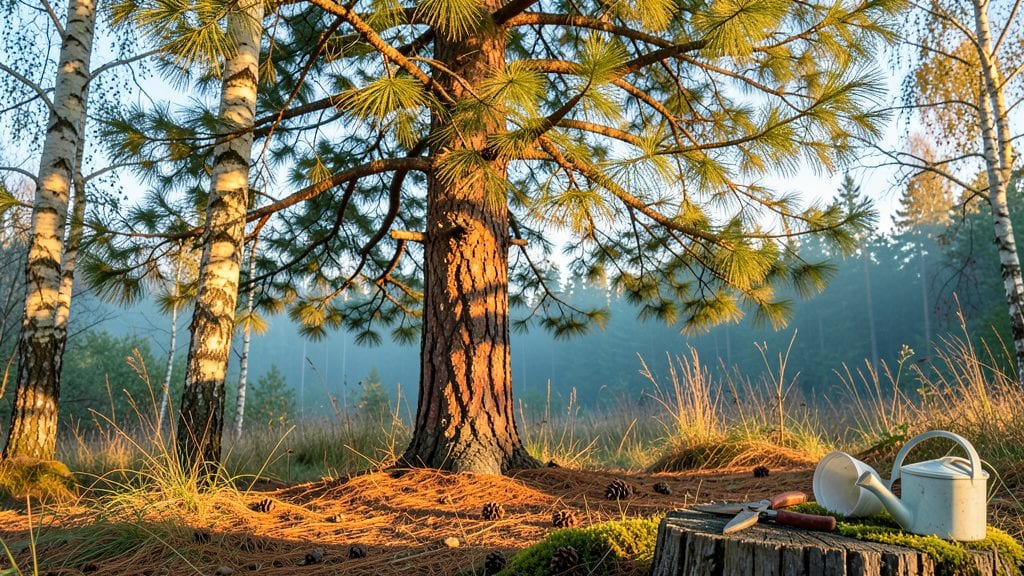
Planting pine trees in your garden gives you a year-round privacy screen that never loses its appeal, even in winter. ✨ I learned the hard way that not all pines thrive in every yard—some need sandy soil, others tolerate clay—but once you pick the right species, they grow with minimal fuss and maximum impact.
The trick to success starts with location: pines love full sun and well-draining soil, but they’ll tolerate dry conditions once established. Most varieties grow 3-6 feet per year, so spacing matters—plant them 10-15 feet apart for mature trees.
My favorite for small gardens is the Mugo pine; it stays compact and handles pruning like a champ.
You’ll love how these trees stay lush and green when other plants go dormant, adding texture and structure to your landscape. Needle drop in late winter is normal—just rake them up to keep your yard tidy.
With proper care, your pines will outlast any seasonal trend and become the backbone of your garden.
Works in zones 3-9, though coastal varieties handle salt spray better. Here’s how to pick the perfect pine for your space and climate—without the guesswork.
📚 In This Guide
- What you need
- Instructions
- Tips and common mistakes
- Wrapping up and next steps
What you need
- ● Pine Tree Saplings: 3–5 Pinus species (e.g., Pinus sylvestris, Pinus nigra, or Pinus strobus) depending on mature height/width goals (e.g., 10–20 ft tall at maturity).
- ● Container-grown or bare-root saplings (1–3 gallons in size for best establishment).
- ● Planting Supplies: High-quality well-draining potting mix (50% native soil, 30% compost, 20% perlite/sand).
- ● Organic mulch (3–4 inches of pine bark or wood chips).
- ● Slow-release fertilizer (10-10-10 or pine-specific blend).
- ● Tools: Shovel or d-handle spade (for digging holes 2x wider than root ball).
- ● Garden gloves (heavy-duty for rough bark).
- ● Watering hose with adjustable nozzle or soaker hose.
- ● Pruning shears (sterilized, for shaping).
- ● Erosion control fabric (for sloped areas).
- ● Tree stakes & ties (if planting in windy locations).
- ● Pine-safe herbicide (to suppress weeds under trees).
- ● Drip irrigation system (for automated watering).
- ● Decorative rocks (to enhance landscape aesthetics).
How to plant and maintain pine trees for a living privacy screen
Pines create lush, wind-resistant privacy that stays green year-round. Here's how to plant them for maximum impact.
🌱 Step 1: Choose the Right Pine Variety for Your Climate
Select a pine species that thrives in your USDA hardiness zone. For northern climates, try Eastern White Pine or Scots Pine—they handle cold winters well. Southern gardeners should opt for Loblolly Pine or Longleaf Pine, which tolerate heat and humidity. Check your zone on the USDA Plant Hardiness Map before buying.
Young pines sold in 3-5 gallon containers establish fastest. Avoid balled-and-burlapped trees over 10 feet tall—they're harder to plant and require heavy equipment. Look for straight trunks and full, symmetrical canopies. Skip any tree with yellowing needles or bare patches, as these signs indicate poor health.
🪴 Step 2: Plant at the Right Time and Prepare the Soil
Plant your pines in early spring or fall (4-6 weeks before first frost) for best root establishment. Avoid planting in summer heat or winter cold. Dig a hole twice as wide and just as deep as the root ball. This loose soil lets roots spread without circling.
Amend the native soil with 2 inches of compost mixed into the bottom of the hole. Pines prefer slightly acidic soil (pH 4.5-6.0). Test your soil with a home kit if possible—pines hate alkaline soil. Water the hole thoroughly before planting to settle the soil and remove air pockets.
☀️ Step 3: Position Trees for Optimal Growth and Spacing
Pines need full sun (6+ hours daily) for best growth. Space them 10-15 feet apart for a dense screen—closer spacing creates faster privacy but may lead to overcrowding as they mature. Mark planting spots with stakes to ensure even spacing before digging.
Plant trees 2-3 inches deeper than their container level. The root flare (where roots meet the trunk) should sit just above soil level. Backfill with native soil, tamping gently every 6 inches to eliminate air gaps. Avoid using amended soil for backfilling—it can disrupt root growth as the mix settles.
💧 Step 4: Water Deeply and Mulch for Retention
Water each newly planted pine with 5 gallons of water immediately after planting. This settles the soil and removes air pockets around the roots. Over the first 2 weeks, water 2-3 times per week until the soil is 6 inches deep and moist. After that, water once weekly during dry spells.
Spread 2-3 inches of mulch (pine bark or wood chips) in a 3-foot diameter circle around each tree, keeping mulch 6 inches away from the trunk. Mulch retains moisture and regulates soil temperature. Refresh mulch annually to maintain coverage. Avoid plastic mulch—it suffocates roots and traps heat.
✂️ Step 5: Prune and Maintain for Long-Term Health
Prune pines only to remove dead, diseased, or crossing branches. Never "shear" pines into geometric shapes—this stresses the tree and invites pests. Use clean, sharp pruners to make cuts just outside the branch collar (the swollen area where the branch meets the trunk).
Fertilize young pines once annually in early spring with a slow-release, balanced fertilizer (10-10-10)**. Avoid high-nitrogen fertilizers—they encourage soft, pest-prone growth. Mature pines rarely need fertilizer if planted in amended soil. Watch for brown needles in late summer, a sign of needle cast disease—remove infected branches and improve airflow.
Tips & tricks for perfect garden pine trees
A few key insights will help your pine trees thrive and create that lush, evergreen privacy screen you're dreaming of.
Selection Tip: When choosing your 3-5 gallon container pines, pay special attention to the root system. Gently loosen the roots at the edges of the container to encourage outward growth—this helps prevent circling roots later. I've seen trees with tightly bound roots struggle for years, while those with loosened roots establish quickly. Also, check for any signs of pest activity at the base of the trunk before bringing them home.
Planting Time Secret: That 4-6 week window before first frost in fall is perfect because the soil is still warm enough for root growth but cool enough to reduce water loss. If you must plant in summer, do it on a cloudy day or in the late afternoon to minimize stress on the tree. I planted a batch in July once and lost three trees to heat stress—don't make my mistake!
Soil Preparation Strategy: The 2 inches of compost you mix into the bottom of the hole is crucial, but here's what nobody tells you: spread a thin layer of sulfur around the edges if your soil test shows pH above 6.0. This creates an acidic buffer zone that helps maintain the ideal 4.5-6.0 range. I've seen pines in alkaline soil yellow and decline within months—this simple step prevents that heartbreak.
Watering Wisdom: Those first 2 weeks are critical for root establishment. Instead of watering all 5 gallons at once, split it into two 2.5-gallon waterings—morning and evening. This prevents water runoff and ensures consistent moisture. After the initial period, check moisture by sticking your finger 6 inches deep—if it feels dry, water deeply. I've seen many gardeners overwater in summer, leading to root rot.
Pro Tips for Garden Pine Trees
- A few key insights will help your pine trees thrive and create that lush, evergreen privacy screen you're dreaming of.
- Selection Tip: When choosing your 3-5 gallon container pines, pay special attention to the root system. Gently loosen...
- Planting Time Secret: That 4-6 week window before first frost in fall is perfect because the soil is still warm enoug...
Frequently asked questions
Got questions about adding garden pine trees to your landscape? You’re not alone! Here are some of the most common queries—plus straightforward answers to help you plan with confidence.
How fast do garden pine trees grow, and when can I expect privacy?
Garden pine trees grow at a moderate pace, typically adding 12–24 inches per year under ideal conditions. For a 6-foot-tall privacy screen, expect 3–5 years of growth. Faster-growing varieties (like Pinus strobus) may reach 10+ feet in 5 years, while slower types (like Pinus sylvestris) take longer. Plant in spring or early fall for the best start!
Do garden pine trees need full sun, or can they tolerate shade?
While pines thrive in full sun (6+ hours daily), some varieties (like Pinus mugo) tolerate partial shade (3–4 hours of sun). Avoid deep shade—it can lead to sparse growth and weak branches. If planting near buildings or tall structures, choose sun-tolerant species (e.g., Pinus nigra) or position trees where they’ll get morning sun.
Are garden pine trees messy? How do I manage needles and cones?
Yes, pines drop needles and cones, but management is easy! Sweep or rake needles 2–3 times a year (spring, summer, fall) to prevent buildup. Choose low-cone varieties (like Pinus thunbergii) if you hate cleanup. Mulch heavily under trees to reduce weeds and slow needle decomposition. Pro tip: Plant pines near patios or driveways to contain needle fall naturally!
Can I plant garden pine trees in containers or small spaces?
Dwarf or slow-growing pines (like Pinus mugo ‘Mops’ or Pinus sylvestris ‘Beuvron’) thrive in containers (15–20 gallons) for patios or balconies. Ensure the pot has drainage holes and use well-draining soil. In small yards, opt for multi-stemmed or bushy varieties to maximize privacy without overcrowding. Warning: Root-bound pines grow slower—repot every 2–3 years!
What pests or diseases should I watch for in garden pine trees?
Common issues include:
- Needle cast (brown needles): Improve air circulation and avoid overhead watering.
- Bagworms (sacs on branches): Handpick or spray with Bt (Bacillus thuringiensis) in early summer.
- Pine beetles (sap oozing): Remove infested trees immediately to prevent spread.
- Fungal diseases (e.g., rust): Prune infected branches and water at the base.
Prevention tip: Keep trees healthy with balanced fertilizer and prune in late winter** to reduce stress.
Wrapping up and next steps
Adding garden pine trees to your landscape is a game-changer for year-round beauty, privacy, and low-maintenance charm. 🌲 Their evergreen elegance and fast growth make them a standout choice for any outdoor space—whether you're shielding your yard from nosy neighbors or simply elevating your curb appeal.
With the right care and placement, these trees will thrive for decades, offering shade, wildlife support, and timeless sophistication.
Ready to transform your outdoor oasis? Start by sketching your design—measure your space, pick your pine varieties, and gather your tools. Then, roll up your sleeves and plant with confidence! Your future self (and your neighbors) will thank you.