
Tools
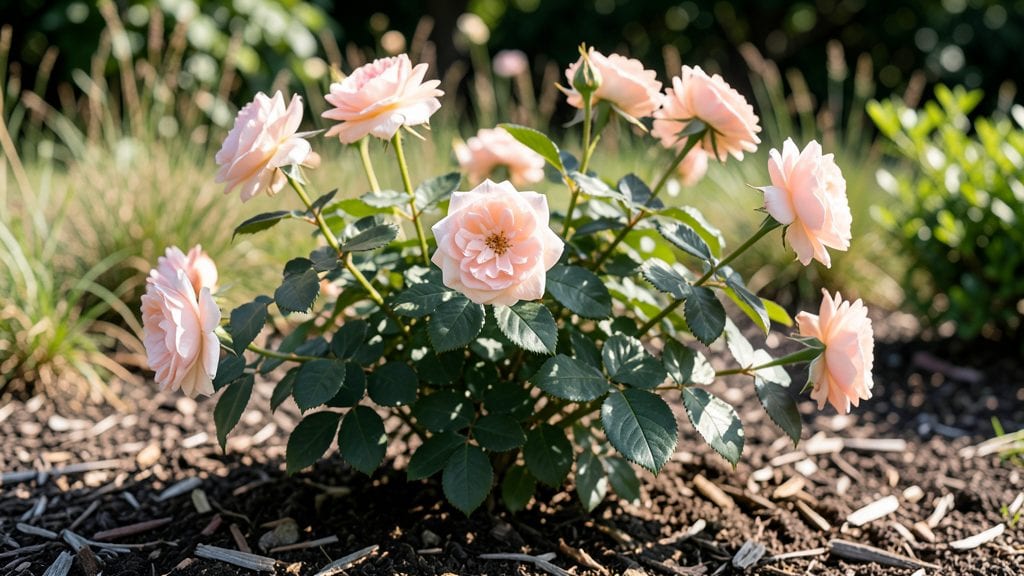
Those blush roses in your garden aren’t just flowers—they’re the softest, most romantic strokes in your outdoor palette. 🌸 I’ve watched them transform a plain border into a dreamy, pastel masterpiece, and the secret isn’t just the roses themselves but how you pair them with the right companions and design touches.
The magic happens when you combine them with lavender, dusty miller, or deep green foliage like hostas. For a cottage garden vibe, add climbing roses nearby for vertical drama, or let them spill over a low stone wall for effortless charm.
The key is balancing their delicate pink with contrasting textures—think velvety lamb’s ear or spiky ornamental grasses.
You’ll end up with a border that feels like a living watercolor, where every bloom adds another layer of softness. The right lighting—warm string lights or solar-powered lanterns—will make them glow at dusk, and a light mulch of straw keeps the scene clean while protecting their roots.
Works in any garden style, from formal English borders to wild, naturalized plantings. Here’s how to make them the star without overpowering the rest of your space.
📚 In This Guide
- What you need
- Instructions
- Tips and common mistakes
- Wrapping up and next steps
What you need
- ● Rose bushes (3–5 plants per 10 feet of border): Varieties like 'Blush Noisette', 'Lady Hillingdon', or 'New Dawn' for soft blush tones
- ● Healthy, 1–2-year-old bare-root or potted roses (check for disease-free stems)
- ● Well-draining soil (amend with compost or aged manure if needed)
- ● Organic mulch (2–3 inches of shredded bark or straw)
- ● Slow-release fertilizer (10-10-10 or rose-specific formula, 1 lb per plant)
- ● Rose food (liquid or granular, for mid-season feeding)
- ● Garden trowel or spade
- ● Pruning shears (sterilized with rubbing alcohol)
- ● Garden hose with spray nozzle
- ● Measuring tape (for spacing plants 2–3 feet apart)
- ● Garden gloves (to protect hands from thorns)
- ● Stakes or cages (for support, 1 per plant)
- ● Epsom salt (1 tbsp per gallon of water for magnesium boost)
- ● Copper fungicide (preventative spray for powdery mildew)
- ● Decorative edging (stone, brick, or metal for a polished look)
- ● Companion plants (lavender, catmint, or ornamental grasses for contrast)
How to create a soft pastel rose garden border
Here's how to blend romantic blush roses with complementary plants for a dreamy, low-maintenance border.
🌱 Step 1: Plan Your Color Palette and Layout
Start by sketching a 4-foot wide border along your property line or garden edge. Blush roses thrive when paired with soft purples, whites, and dusty pinks—think lavender, baby's breath, and dusty miller. I like to plant roses as the anchor plants, spaced 3 feet apart, with fillers like catmint and salvia in front.
This layout ensures roses get morning sun while taller perennials provide afternoon shade. Mark planting spots with stakes to avoid overcrowding. Blush roses grow 3-4 feet tall, so leave room for their mature spread while keeping pathways clear.
🪴 Step 2: Prepare the Soil for Rich, Moisture-Retentive Growth
Amend your native soil with 2 inches of compost and 1 cup of bone meal per plant hole. Blush roses love well-draining but moisture-retentive soil—think 60% soil, 30% compost, 10% perlite. Dig holes twice as wide as the root ball but only 6 inches deep—deeper planting can suffocate roots.
Mix the amendments directly into the soil at the bottom of each hole. Avoid fresh manure—it burns tender rose roots. Water each hole deeply before planting to settle the soil and remove air pockets. You'll know it's ready when water drains within 15-20 minutes.
☀️ Step 3: Plant Roses and Companion Flowers
Remove container-grown roses from their pots and loosen roots gently if they're circling. Place each plant so the graft union sits 2 inches above soil level—this prevents root rot. Backfill with amended soil, pressing lightly to eliminate gaps, then water again until the soil settles.
For companions, plant catmint 18 inches apart in front of roses and salvia 2 feet apart along the border's edge. These perennials attract pollinators while suppressing weeds. Mulch with 2 inches of shredded bark to retain moisture and deter weeds—just keep mulch 6 inches away from stems to prevent rot.
💧 Step 4: Water and Fertilize for First-Year Establishment
Water deeply twice weekly for the first month, then taper to once weekly once new growth appears. Blush roses need 1-1.5 inches of water per week, but check soil moisture—top 2 inches should feel dry before watering again. Avoid overhead watering after dark to prevent fungal diseases.
Fertilize with balanced 10-10-10 in early spring and again after blooming. I skip summer feeding—too much nitrogen now encourages leafy growth over flowers. You'll see first blooms in year two, but the foliage will be lush and healthy by fall.
✂️ Step 5: Prune and Maintain for Continuous Blooms
Prune dead or crossing branches in late winter, cutting just above an outward-facing bud. Remove no more than 1/3 of the plant at once—blush roses bloom on both old and new wood. After each flush of blooms, trim spent flowers back to the first 5-leaflet leaf to encourage more blooms.
Watch for aphids on new growth—spray with soapy water if you see sticky residue. Divide perennials every 3-4 years to keep the border looking fresh. By year three, your blush roses will create a romantic, low-maintenance border that brightens any garden.
Tips & tricks for perfect soft pastel rose garden borders
Creating a dreamy blush rose border takes more than just planting pretty flowers—it's about the little details that make all the difference. Here are my go-to tips to ensure your garden thrives with soft pastel hues that will wow everyone.
Spacing is Everything: When planting your blush roses as anchor plants, give them that full 3 feet of space between each one. I've learned this the hard way—crowding them leads to poor airflow, which invites fungal diseases. For the catmint and salvia fillers, stick to those 18-inch and 2-foot spacing measurements. This creates that perfect layered look while keeping maintenance manageable. The key is thinking about how your plants will mature—leave room for those 3-4 foot tall roses to spread their wings!
Soil Prep Secrets: That 15-20 minute drainage test after watering is non-negotiable. If water pools or drains too quickly, you need to adjust your soil mix. I've found that adding an extra 10% coconut coir to that 60-30-10 soil-compost-perlite ratio helps retain moisture better without suffocating roots. And here's a pro move: mix in a handful of mycorrhizal fungi with your bone meal—it helps roses absorb nutrients more efficiently. Just sprinkle it in the bottom of each hole before planting.
Mulching Like a Pro: That 2 inches of shredded bark isn't just for looks—it's a game-changer for moisture retention and weed suppression. But here's what nobody tells you: refresh your mulch every spring by spreading a new 1-inch layer over the old. This prevents that compacted, water-repellent layer from forming. And always keep that mulch 6 inches away from stems—I've seen too many gardeners accidentally smother their plants with overzealous mulching. Think of it as creating a protective donut around each plant!
Watering Wisdom: Those 1-1.5 inches of water per week might sound like a lot, but trust me—blush roses drink it up, especially in their first year. I've found that watering in the early morning gives the plants time to absorb moisture before the heat of the day. And here's a trick: use a rain gauge or tuna can to measure your water—you'd be surprised how much we often over- or under-estimate. For the first month, stick to that twice weekly schedule religiously, then let the soil's moisture guide you after that.
Pro Tips for Garden Rose Blush
- Creating a dreamy blush rose border takes more than just planting pretty flowers—it's about the little details that make all the difference.
- Spacing is Everything: When planting your blush roses as anchor plants, give them that full 3 feet of space between each one.
- Soil Prep Secrets: That 15-20 minute drainage test after watering is non-negotiable.
Frequently asked questions
Got questions about Garden Rose Blush roses? You’re not alone!
Here are answers to the most common queries—from planting tips to care hacks—to help you grow a stunning display of soft pastel blooms.
When is the best time to plant Garden Rose Blush roses?
Plant them in early spring or fall when the soil is workable but not frozen. Avoid extreme heat or cold, as roots need time to establish before stress. If planting in containers, you can extend the window slightly—just keep them sheltered from harsh winds or frost.
How often should I water Garden Rose Blush roses?
Water deeply 1-2 times per week (more in extreme heat or drought). Aim for 1-1.5 inches of water per session, focusing on the root zone. Early morning watering prevents fungal issues, and mulching (2-3 inches) helps retain moisture. Pro tip: Yellowing leaves? Often a sign of overwatering—check soil moisture before adding more!
Do Garden Rose Blush roses need pruning? If so, when?
Yes! Prune in late winter or early spring (before new growth starts) to shape the bush and encourage blooms. Remove dead, diseased, or crossing branches, then cut back remaining stems by 1/3 to promote airflow. Avoid heavy pruning in fall—it can stress the plant before winter.
What pests or diseases should I watch for with Garden Rose Blush roses?
Common issues include:
- Aphids/Spider Mites: Spray with water or use neem oil for mild infestations.
- Black Spot: Remove infected leaves and apply fungicide (copper-based works well).
- Powdery Mildew: Improve airflow, avoid overhead watering, and treat with baking soda spray (1 tsp baking soda + 1 quart water + a drop of soap).
Can I grow Garden Rose Blush roses in containers? What size pot should I use?
They thrive in containers with at least 15-20 gallons of soil (a 16-18" pot works well). Use well-draining potting mix with compost, and place in full sun (6+ hours/day). Container roses need more frequent watering than in-ground plants—check soil moisture daily in hot weather.
Why aren’t my Garden Rose Blush roses blooming as much as expected?
Several factors could be at play:
- Insufficient sunlight: Ensure they get 6+ hours of direct sun daily.
- Over-fertilizing with nitrogen: Use a balanced rose fertilizer (10-10-10 or similar) and follow package instructions.
- Pruning too late: Late pruning (after buds form) can reduce blooms.
- Stress from pests/disease: Address issues promptly to revive the plant.
Wrapping up and next steps
Transforming your garden with the soft elegance of garden rose blush hues is easier—and more rewarding—than you think! Whether you’re refreshing borders, adding depth to flowerbeds, or crafting a romantic retreat, these pastel tones bring effortless charm and timeless beauty. 🌸
Ready to bring your vision to life? Start small—choose one plant or a single border—and let your creativity bloom. Grab your tools, pick your palette, and dive in! Your garden’s next masterpiece is just a shovel’s throw away.