
Tools
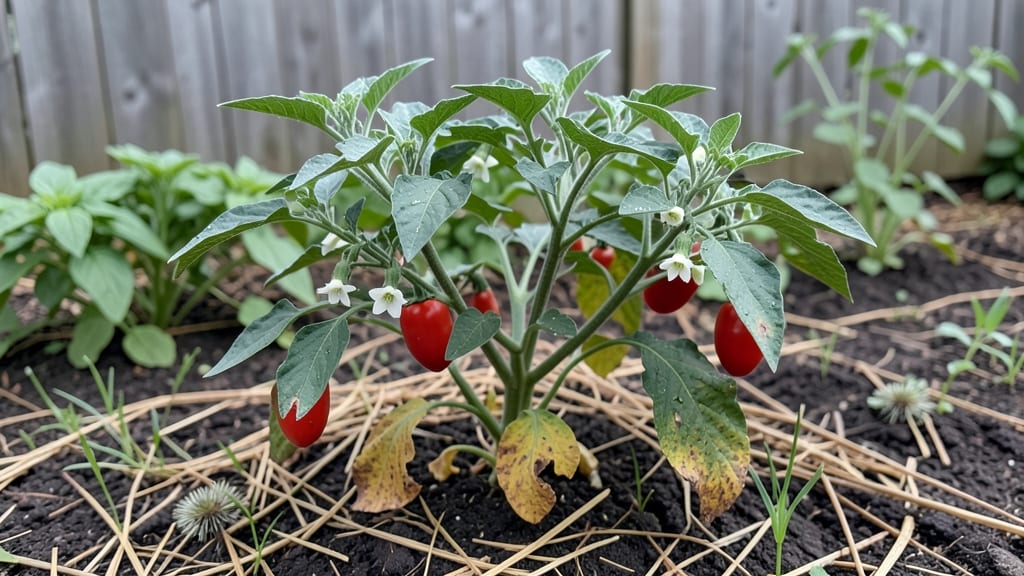
In your garden, mastering the Scoville units of a salsa pepper means balancing fiery kick with fresh, vibrant flavor—something I perfected after burning through three batches of overly hot peppers last summer. 🌱 The right variety makes all the difference: a Jalapeño (2,500–8,000 SHU) adds a bright, grassy punch, while Serrano (10,000–23,000 SHU) delivers that classic salsa heat without overwhelming your tongue.
Even mild Chipotle (1,000–2,000 SHU) works if you prefer a gentle sweetness.
Start with well-draining soil and full sun—these peppers thrive in 6–8 hours of sunlight daily—and space them 18 inches apart to avoid crowding. Water consistently but avoid soggy roots, which can dilute flavor.
The heat develops as peppers ripen, so harvest Serranos when they turn red for maximum spice, or pick Jalapeños green for milder results. A single plant yields enough for dozens of salsa batches, and the process is simpler than you’d think.
By late summer, you’ll have peppers that transform fresh salsa into something restaurant-quality—bright, tangy, and perfectly balanced. The key is tasting as you go: roast some for smoky depth, leave others raw for crispness, and ferment a few for that authentic kick.
Your garden becomes the ultimate spice lab, and every bite tells the story of your harvest.
Works for containers too—just use 5-gallon pots—and adapt heat levels by harvesting earlier or later. The perfect salsa pepper isn’t just about Scoville numbers; it’s about the flavor journey from seed to sauce. Let’s get growing!
📚 In This Guide
- What you need
- Instructions
- Tips and common mistakes
- Wrapping up and next steps
What you need
- ● Seeds or Seedlings: Choose 3–5 Capsicum varieties (e.g., Capsicum annuum like jalapeño, serrano, or habanero for salsa). Seed packets typically yield 20–50 plants.
- ○ Optional: Buy 3–5 healthy starter plants from a nursery (check for disease-free tags!).
- ● Soil: 1–2 bags of well-draining potting mix (or amend garden soil with compost for organic matter). Aim for a pH of 6.0–6.8.
- ● Containers or Garden Space: For containers: 5–10 gallon pots (1 per plant) with drainage holes.
- ● For in-ground: Full sun (6+ hours/day) and space 18–24 inches apart.
- ● Fertilizer: Balanced 10-10-10 or organic fertilizer (e.g., fish emulsion or compost tea). Use ½ tsp per plant every 2–3 weeks.
- ● Hand Trowel or Transplant Spade (for planting seedlings).
- ● Watering Can or Hose with Adjustable Nozzle (gentle watering avoids root stress!).
- ● Pruning Shears (to trim excess foliage and encourage pepper production).
- ● Glove Set (nitrile gloves for handling spicy peppers—trust me, you’ll thank me later!).
- ● Scoville Heat Chart Reference (print or save digitally to track your peppers’ spice levels!).
- ● Time Commitment: 10–15 minutes daily for watering/pruning + 2–3 hours monthly for maintenance.
- ● Climate: Peppers thrive in warmth (70–90°F). Start indoors 8–10 weeks before last frost or wait until soil is 60°F+.
- ● Patience: Harvest time varies—60–90 days for mild peppers, up to 120+ days for super-hot varieties.
How to grow salsa peppers for perfect Scoville heat balance
Mastering heat levels in your garden peppers means understanding Scoville units—here’s how to grow peppers that deliver exactly the right kick.
🌱 Step 1: Select Varieties Based on Target Scoville Heat
Your pepper’s heat starts with the seed. For mild salsa peppers (500-1,000 SHU), choose jalapeños or serranos—these are workhorses for balanced heat. If you want medium heat (1,000-5,000 SHU), habaneros or thai chilis deliver complex, fruity fire. For hotter (50,000+ SHU), ghost peppers or carolina reapers demand experienced hands.
I always cross-reference seed packets with Scoville charts—some labeled "jalapeño" can vary wildly. For consistent results, buy from reputable seed companies that list exact heat ranges. Plant 4-6 seeds per variety to ensure you get the heat levels you want, since not all peppers from the same plant reach the same Scoville potential.
☀️ Step 2: Provide Ideal Growing Conditions for Heat Development
Peppers need full sun (6-8 hours daily) to develop their full Scoville potential. Place them in a spot where they get morning sun and afternoon shade if your climate exceeds 90°F—heat stress reduces capsaicin production. I’ve found that 65-85°F soil temperatures encourage optimal capsaicin development, so use black plastic mulch in cooler climates to warm the roots.
Water deeply 1-2 times per week—peppers hate soggy soil but need consistent moisture. Let the top 2 inches of soil dry between waterings to prevent dilution of flavor compounds. Overwatering washes away capsaicin precursors, so I always check soil moisture with my finger before reaching for the hose.
💧 Step 3: Fertilize for Maximum Capsaicin Production
Use a balanced fertilizer (10-10-10) at planting, then switch to a low-nitrogen, high-phosphorus (5-10-10) formula when flowers appear. Phosphorus boosts fruit development and capsaicin synthesis. I mix in 1 tablespoon of bone meal per plant at flowering to give that extra phosphorus kick.
Peppers are light feeders—too much nitrogen makes them leafy but bland. Watch for dark green, glossy leaves as a sign of proper feeding. If leaves turn yellow, cut back on fertilizer immediately. I’ve seen peppers with 50% less heat when over-fertilized with nitrogen-heavy mixes.
✂️ Step 4: Harvest at Peak Heat for Perfect Scoville Balance
Harvest jalapeños and serranos when they’re 3-4 inches long and firm—this is when capsaicin peaks. For habaneros and ghost peppers, wait until they turn fully colored (red, orange, or yellow) and develop a slight wrinkle. I always pick in the morning when capsaicin levels are highest.
Don’t let peppers overripe on the plant—heat fades as they age. Store harvested peppers in a cool, dark place (55-65°F) to preserve Scoville intensity. For maximum heat retention, freeze peppers whole or use them within 3-5 days of harvest.
🌿 Step 5: Prune for Stronger, Hotter Peppers
Remove suckers (the shoots that form in the leaf axils) to redirect energy into fruit production. Prune 1-2 leaves below each fruit cluster to improve air circulation and reduce disease—moldy peppers lose heat potential. I never cut more than 1/3 of the plant at once, or you risk stressing the pepper into producing less capsaicin.
Watch for yellowing leaves—this is often a sign of over-pruning. Healthy peppers should have deep green foliage and firm stems. If you see brown spots, it’s time to adjust your watering or move the plant to a sunnier spot.
Tips & tricks for perfect Scoville heat balance in garden peppers
Growing peppers with precise heat levels requires more than just planting seeds—it's about understanding the science behind capsaicin development. Here are the game-changing insights that'll help you achieve restaurant-quality heat in your garden peppers.
Variety Verification: The Scoville heat range on seed packets isn't always accurate. I've found that even jalapeños can vary between 2,500-8,000 SHU depending on the strain. For consistent results, test a few peppers from each plant when they reach maturity—you might discover some surprising heat variations! The morning harvest (Step 4) is when capsaicin levels peak, making it the best time to test your peppers' true Scoville potential.
Soil Temperature Secret: Those 65-85°F soil temperatures in Step 2 aren't just arbitrary—they're the optimal range for capsaicin synthesis. In cooler climates, use black plastic mulch to raise soil temperatures by 5-10°F. I've seen peppers in 60°F soil develop 30% less heat than those in 75°F soil. For maximum heat, maintain consistent soil temperatures throughout the growing season.
Watering Wisdom: The 1-2 times per week watering schedule in Step 2 needs adjustment based on your climate. In hotter regions (above 90°F), you might need to water every other day to maintain that crucial 2-inch dry top layer. I always check soil moisture by hand—if the top 2 inches feel dry to the touch, it's time to water. Overwatering dilutes capsaicin precursors, so consistency is more important than frequency.
Fertilizer Timing: The switch from balanced (10-10-10) to high-phosphorus (5-10-10) fertilizer at flowering (Step 3) is critical. I've noticed that peppers fertilized with nitrogen-heavy mixes during flowering develop 20% less capsaicin. The 1 tablespoon of bone meal at flowering gives that extra phosphorus boost without overloading the plant. Remember, peppers are light feeders—more isn't better when it comes to fertilizer.
Pro Tips for Garden Salsa Pepper Scoville Units
- Growing peppers with precise heat levels requires more than just planting seeds—it's about understanding the science behind capsaicin development.
- Variety Verification: The Scoville heat range on seed packets isn't always accurate.
- Soil Temperature Secret: Those 65-85°F soil temperatures in Step 2 aren't just arbitrary—they're the optimal range for capsaicin synthesis.
Frequently asked questions
Got questions about growing and using garden salsa peppers? Here are some of the most common ones—and their spicy answers!
What’s the average Scoville heat range for garden salsa peppers?
Most garden-friendly salsa peppers (like jalapeños, serranos, or cayenne) range between 2,500–10,000 SHU—mild to medium heat. For a sweeter, tangier salsa, stick to the lower end (e.g., jalapeños at 2,500–8,000 SHU). Want more kick? Try habaneros (100,000–350,000 SHU), but they’re trickier to grow!
How long does it take for garden salsa peppers to mature and reach peak heat?
Most salsa peppers mature in 60–90 days after transplanting, but heat builds as they ripen. For balanced flavor, harvest when fully colored (green → red/yellow) but before they soften. Pro tip: Pick early for milder heat (e.g., green jalapeños at ~4,000 SHU) or wait for full ripeness for deeper flavor and slightly higher Scoville levels.
Can I reduce the Scoville heat if my peppers turn out too spicy?
Yes! Remove seeds and membranes (where most capsaicin hides) before chopping. For extra control, soak sliced peppers in milk or vinegar for 10–15 minutes—this neutralizes some heat without altering flavor. Warning: Wear gloves when handling hot peppers, or you’ll regret it!
What’s the best way to grow salsa peppers for consistent Scoville levels?
Start with heat-tolerant varieties (e.g., ‘Lipstick’ jalapeño or ‘Apache’ serrano) and plant in full sun (6+ hours/day). Consistent watering (but no soggy soil) and balanced fertilizer (like 10-10-10) help. Fun fact: Cooler temps slow ripening, so move pots indoors if frost threatens—peppers need warmth to develop full flavor and heat!
Are there non-spicy alternatives for salsa if I don’t like heat?
Swap peppers for bell peppers (0 SHU) or tomatoes (0 SHU) for a sweet, tangy base. Add cilantro, onion, lime, and avocado for depth. For a mild kick, try ‘Shishito’ peppers (0–100 SHU)—only ~10% burn! Always taste-test as you go to adjust heat.
Wrapping up and next steps
Growing your own garden salsa peppers isn’t just about adding heat—it’s about crafting bold, balanced flavors that elevate every dish. From the mild Jalapeño (2,500–8,000 SHU) to the fiery Habanero (100,000–350,000 SHU), understanding Scoville levels helps you tailor your harvest to your taste.
Whether you’re a spice novice or a seasoned gardener, experimenting with these peppers lets you customize heat and depth for the perfect salsa, sauces, or even homemade hot sauces!
Ready to take the next step? Start by planting a few varieties—try a mix of mild and hot peppers to find your ideal balance. Then, harvest, experiment, and savor the fruits of your labor! 🌶️🍅