
Tools
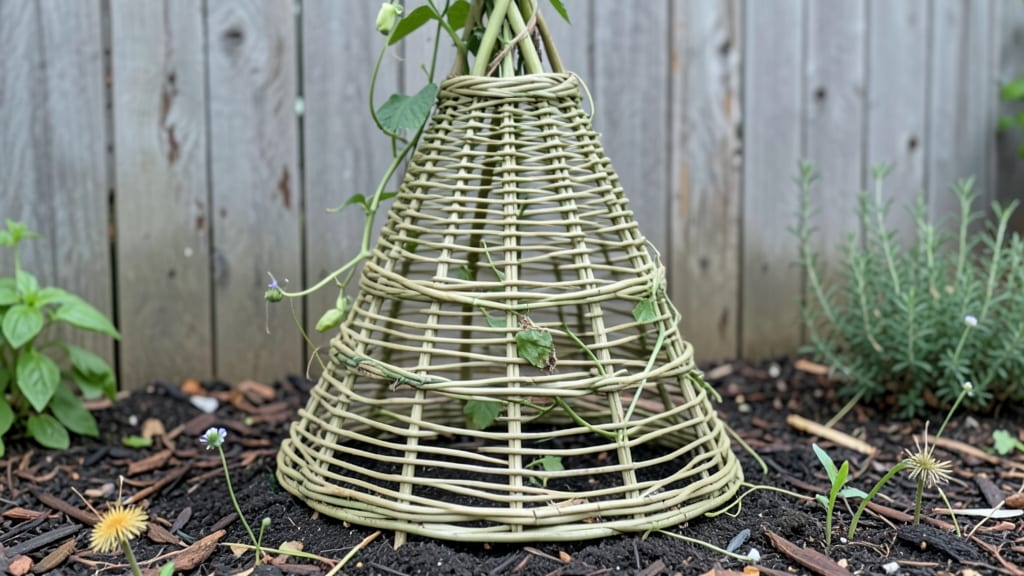
A garden teepee trellis turns small spaces into vertical gardens where climbing plants shine. I built mine last spring after realizing my patio could grow twice as much if I just gave vines something to climb—no more sprawling mess, just lush, organized growth reaching for the sky.
The structure is simple: four sturdy stakes forming a cone shape with twine or netting wrapped around them, creating a natural ladder for plants to climb. It’s the perfect solution for beans, peas, roses, or even morning glories that would otherwise take over your garden beds.
What makes teepee trellises so special is how they maximize space without sacrificing beauty. You can tuck one into a corner of your vegetable garden, place it near a fence for extra height, or even use it as a decorative centerpiece in a flower bed.
The materials are basic—just bamboo stakes, twine, and a few hours of your time—and the results are instantly satisfying. No more wrestling with floppy plants; instead, you get a structured, eye-catching display that thrives in even the tightest spots.
Plus, it’s a great way to train plants like pole beans or clematis to grow upward, saving room for other crops or flowers below.
Once you’ve got your teepee set up, the magic happens in just a few weeks. Watching tendrils curl around the twine and leaves unfurl into the air is oddly rewarding. By midsummer, you’ll have a dense, green canopy that attracts pollinators and adds height to your garden.
The best part? You can reuse the same trellis year after year, adapting it for different plants as the seasons change. Whether you’re growing food or flowers, this trellis turns dead space into a productive, picturesque feature that’s impossible to ignore.
Here’s the thing—this project is foolproof for beginners but still impressive enough to elevate any garden. You don’t need fancy tools or years of experience; just a little creativity and the willingness to let your plants do the heavy lifting.
Next, we’ll walk through the exact materials and steps to build one that’ll last for seasons, plus pro tips to keep your climbing companions happy and healthy. Let’s get growing!
📚 In This Guide
- What you need
- Instructions
- Tips and common mistakes
- Wrapping up and next steps
What you need
- ● 4–6 bamboo poles or wooden stakes (4–6 ft tall, 1–2 inches in diameter). Pro tip: 💡 Use untreated cedar or redwood for longevity!
- ● 1–2 packs of zip ties or garden twine (for securing poles and attaching vines).
- ○ Optional: Decorative fabric or burlap (for a rustic or whimsical look).
- ● Measuring tape (to ensure even spacing).
- ● Hammer or mallet (if securing stakes into the ground).
- ● Scissors or pruners (for trimming twine or fabric).
- ○ Staple gun (optional) (if attaching fabric for a cozy look).
- ● Sunny or partially shaded spot (6+ inches of soil depth for stakes).
- ● Climbing plants or seeds (ready to train up your trellis!).
- ○ Gloves (optional) (to protect hands while assembling).
Step-by-step instructions for building a garden teepee trellis
Here’s how to create a simple, sturdy teepee trellis that maximizes vertical space for climbing plants.
Gather Your Materials and Tools
You’ll need four 6-foot bamboo stakes (or similar flexible, sturdy poles) and jute twine or landscape fabric strips to secure them. Check that your stakes are straight and free of cracks—bamboo splits easily under tension. If using wooden stakes, treat them with a non-toxic sealant to prevent rot, especially if they’ll sit in the ground long-term.
For extra stability in windy areas, I like to add a 5-foot center stake—this creates a stronger central anchor. Lay out all materials in an open workspace before starting. If you’re working in a garden bed, clear a 3-foot diameter area to avoid tripping over stakes while assembling.
Assemble the Teepee Frame
Drive the first stake 12 inches deep into the soil at the center of your chosen spot. This will be your anchor point. Then, place the remaining three stakes evenly around it, angling them outward at about a 45-degree angle so their tops meet at a single point 4-5 feet above the ground. Adjust the angle slightly if your stakes are shorter or taller—just ensure they’re stable enough to support climbing plants like beans, peas, or morning glories.
Once positioned, gently tie the tops of the three outer stakes together with jute twine, securing them tightly but leaving room for flexibility. The twine should hold the frame upright without restricting movement—think of it like a loose knot that can adjust as plants grow. If using landscape fabric, wrap it diagonally for extra reinforcement.
Reinforce the Structure for Climbing Plants
Now, tie horizontal supports between each pair of stakes at intervals of 12-18 inches up the frame. Use the same twine or fabric, weaving it in a crisscross pattern to create a lattice effect. This gives vines something to grip as they climb. For heavier plants like cucumbers or squash, add an extra set of supports midway up the trellis to prevent sagging.
Test the stability by gently pushing the frame from the sides. It should wobble slightly but not collapse. If it feels too loose, add more twine or adjust the angle of the stakes. Avoid over-tightening—the structure needs to flex a little as plants grow and lean against it.
Plant and Train Your Climbing Plants
Once your teepee is secure, plant your climbing plants at the base, spacing them 6-12 inches apart depending on their mature size. Water deeply after planting to help roots establish. As vines emerge, guide them upward by gently tying the stems to the twine or weaving them through the lattice. Don’t wrap the stems too tightly—just enough to encourage upward growth.
Watch for new growth and adjust supports as needed. If a vine struggles to reach the next level, tie it loosely to the twine with a small strip of fabric or a soft plant tie. Avoid metal clips, which can damage tender stems. Within a few weeks, your teepee will transform into a lush vertical garden, saving space and keeping plants off the ground where pests and diseases are less likely to thrive.
Tips & tricks for building a sturdy garden teepee trellis
Building a garden teepee trellis is simpler than you might think, but these small details make all the difference in creating a structure that lasts through the growing season.
The Stake Selection: Bamboo stakes are my go-to because they're lightweight yet flexible enough to bend without breaking. If you can't find 6-foot stakes, opt for slightly longer ones—just adjust the angle so the tops still meet at about 4-5 feet. Avoid thick wooden stakes, which can be too rigid and difficult to tie securely. For extra stability in windy areas, the optional 5-foot center stake is worth adding—it acts like a central support beam, preventing the whole structure from leaning.
Tying Technique: When securing the stakes with jute twine, think of it like making a loose knot—tight enough to hold the structure upright but flexible enough to allow for natural movement as plants grow. I like to use a simple square knot for the top ties, then weave the twine diagonally for the horizontal supports. This creates a lattice that gives vines plenty of grip without restricting their growth. If the twine feels too stiff, dampen it slightly before tying—it becomes more pliable and easier to work with.
Reinforcement Strategy: The 12-18 inch intervals for horizontal supports are perfect for most climbing plants, but for heavier vines like cucumbers or squash, I recommend adding an extra set of supports midway up the trellis. This prevents the weight of mature plants from causing the structure to sag or collapse. Test the stability by gently pushing the frame from different angles—it should hold its shape but still have a little give. If it feels too loose, add more twine or adjust the angle of the stakes slightly outward.
Plant Training Tips: When guiding vines upward, use soft plant ties or even small fabric strips instead of metal clips. Metal can damage tender stems and restrict growth. I like to tie the stems loosely at first, then adjust as the plant grows. This gives the vines room to move without becoming tangled. Watch for new growth and add supports as needed—most climbing plants will reach the top of a 4-5 foot trellis within 4-6 weeks, depending on the variety.
Pro Tips for Garden Teepee Trellis
- Building a garden teepee trellis is simpler than you might think, but these small details make all the difference in creating a structure that lasts through the growing season.
- The Stake Selection: Bamboo stakes are my go-to because they're lightweight yet flexible enough to bend without breaking.
- Tying Technique: When securing the stakes with jute twine, think of it like making a loose knot—tight enough to hold the structure upright but flexible enough to allow for natural movement as plants grow.
Frequently asked questions
Got questions about using a garden teepee trellis? You’re not alone! Here are some of the most common queries—plus quick, practical answers to help you get the most out of your climbing plant support.
What’s the best material for a teepee trellis?
A teepee trellis can be made from wood (cedar or redwood for durability), metal (powder-coated steel for rust resistance), or bamboo (eco-friendly and lightweight). Choose based on your budget, plant weight, and climate—heavy vines like grapes need sturdier materials!
When is the ideal time to install a teepee trellis?
Install your trellis early spring, before planting, so roots and vines have time to establish. If retrofitting, do it when plants are young (3–6 inches tall) to avoid damaging growth. For perennials, winter prep (like burying stakes) works too!
Can I use a teepee trellis for non-climbing plants?
While designed for vines (like beans, cucumbers, or clematis), teepees also support tall flowers (e.g., sunflowers, hollyhocks) or even ornamental grasses. Just ensure the structure is wide enough to prevent flopping—add cross-bracing if needed.
Why is my teepee leaning or wobbling?
Leaning usually means shallow stakes or uneven soil. Bury stakes at least 12–18 inches deep and use guywires (for metal trellises) or staples (for wood) to secure the top. For wobbling, add horizontal supports midway or anchor with concrete footings.
How do I train vines to climb a teepee trellis?
Gently tie or weave young vines to the trellis with soft plant ties or twine. For aggressive climbers (like morning glories), use a spiral method—wrap the vine clockwise around the trellis as it grows. Prune suckers to encourage upward growth and airflow.
Wrapping up and next steps
A garden teepee trellis isn’t just a stylish addition—it’s a game-changer for small spaces, offering sturdy support for climbing plants while maximizing vertical growth. Whether you’re a beginner or a green thumb, this DIY-friendly structure transforms even the tiniest yard into a lush, thriving oasis. 🌿
Ready to green up your space? Grab your materials, follow the steps, and watch your plants climb to new heights—literally! Next, explore plant pairings that thrive on trellises or share your teepee masterpiece with fellow gardeners. Happy growing! 🌱