
Tools
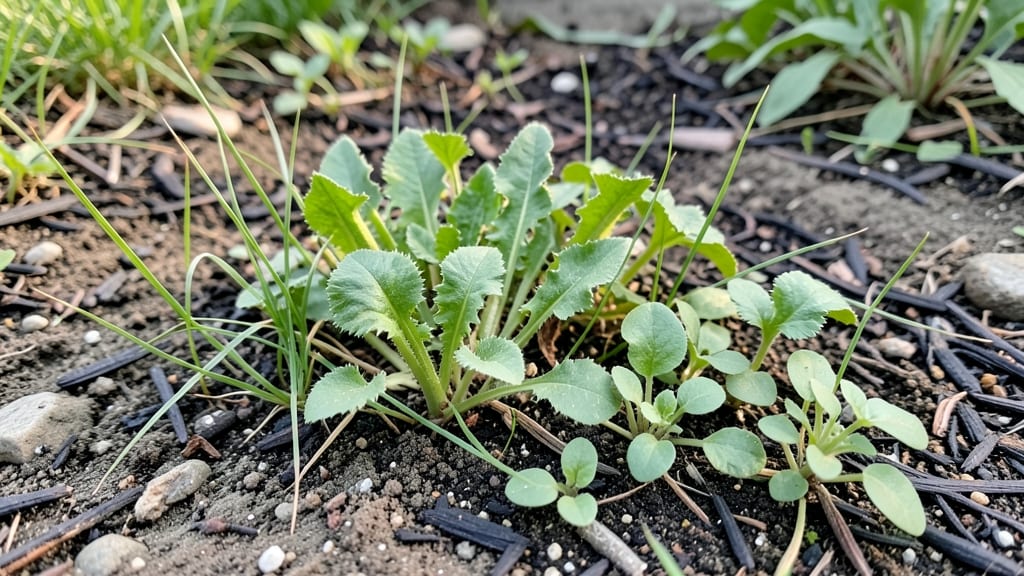
Before you even plant, those pesky garden weed seedlings can transform your spotless soil into a battleground. I’ve lost count of how many times I’ve pulled a fresh seedling only to find three more sprouting in its place—until I learned the right way to attack them early.
The key isn’t brute force but precision: timing, tools, and a few sneaky tricks that make weeds think twice about invading your garden.
Most gardeners wait until weeds are tall and tangled with crops, but that’s when they’ve already won. Start pulling when seedlings are just 1-2 inches high—before they develop deep roots—and you’ll spend half the time weeding.
A stirrup hoe or even a plastic knife works better than hands for slicing through clusters without disturbing your soil structure. And here’s the secret: water first. Damp soil lets seedlings slip out cleanly, so you’re not left with broken roots that regrow.
By mid-summer, your soil will stay weed-free for weeks at a time. The real payoff? Less competition for your plants means bigger harvests and fewer headaches when it’s time to harvest.
Plus, you’ll notice how much cleaner your garden beds look—no more sneaky little sprouts popping up where they’re not wanted. The method scales from a single raised bed to a full backyard, and it works year after year.
Fair warning: weeds will always find a way back, but this approach cuts their numbers by 80%+ with minimal effort. The tools you need cost under $20, and the technique takes just 10-15 minutes a week during peak growing season.
Here’s how to make it work for your garden, no matter its size or soil type.
The Hidden Triggers Behind Seedlings
Weed seedlings popping up in your garden aren’t just a random annoyance—they’re the result of specific conditions that create the perfect storm for unwanted growth. Understanding these triggers is the first step to stopping them before they take root.
Below, we break down the key causes of garden weed seedlings, backed by science and actionable insights.
Weeds thrive where the soil is disturbed or poorly managed. Every time you till, dig, or even walk on garden beds, you’re unearthing dormant weed seeds that have been lying in wait for years.
Many weeds, like crabgrass and chickweed, have seeds that can remain viable in the soil for 5–10 years or more.
- Why it happens: Tilling aerates the soil, bringing seeds to the surface where they get sunlight and moisture—two critical triggers for germination. Even light disturbance (like raking) can expose seeds.
- Actionable fix:
- Use no-till gardening or mulch to keep soil undisturbed.
- If tilling is necessary, do it in late fall or early spring (before weeds germinate) and cover bare soil immediately with mulch.
Weed seeds need moisture to germinate, and consistent watering (especially overhead) creates ideal conditions. Some weeds, like dandelions and nettles, can sprout within 24–48 hours of sufficient moisture. Even compacted or poorly draining soil holds excess water, signaling seeds to break dormancy.
- Why it happens: Overwatering wasn’thesoil, making it easier for seeds to absorb water and trigger germination. Shallow-rooted weeds (like purslane) respond fastest to surface moisture.
- Actionable fix:
- Water deeply but infrequently (1–2 inches per week) to encourage deep root growth in plants and discourage surface weed seeds.
- Use drip irrigation or soaker hoses to avoid wetting leaves and soil surfaces.
- Improve drainage with organic matter (compost, sand) if your soil stays soggy.
Most weed seeds require sunlight to germinate—a process called photoblastic germination. If your garden beds are bare or thinly mulched, seeds get the light signal they need to sprout. Even partial shade (like from young plants) can trick some weeds into thinking conditions are perfect.
- Why it happens: Weeds like lamb’s quarters and bindweed have seeds that germinate only when exposed to light. A single ray of sunlight breaking through mulch or soil can trigger a germination spree.
- Actionable fix:
- Apply a thick layer of mulch (3–4 inches) (straw, wood chips, or cardboard) to block light.
- Use living mulches (like clover or creeping thyme) to outcompete weeds for light.
- Plant dense ground covers (e.g., ajuga, creeping jenny) to smother weed seeds.
Weeds are opportunistic—they exploit fertile or disturbed soil where nutrients are abundant. Some weeds, like quackgrass, even thrive in compacted soil because their roots can penetrate tight spaces. Meanwhile, broadleaf weeds (e.g., plantain) love nitrogen-heavy soil, often found in over-fertilized gardens.
- Why it happens: Freshly amended soil (with compost or synthetic fertilizer) signals weeds that it’s time to grow. Compacted soil also restricts desirable plants but doesn’t stop weeds, which have aggressive root systems.
- Actionable fix:
- Avoid over-fertilizing—use slow-release organic fertilizers sparingly.
- Test soil pH and nutrients to ensure balance (most weeds prefer slightly acidic to neutral pH).
- Break up compaction with a broadfork or add gypsum to improve soil structure.
Not all weed seedlings come from seeds already in your soil—many hitchhike in via wind, water, animals, or human activity. Seeds from dandelions, cheatgrass, and mallow can travel miles on the breeze, while others cling to tools, shoes, or pets.
- Why it happens: Weeds like pigweed produce thousands of seeds per plant, and even a few can colonize a garden quickly. Water runoff from neighboring properties or bird activity (they eat seeds and deposit them elsewhere) also spreads weeds.
- Actionable fix:
- Create a 10-foot "weed-free buffer zone" around your garden using gravel or dense plants.
- Clean tools, shoes, and pet paws after working in other gardens.
- Install windbreaks (like tall grasses or hedges) to reduce seed drift.
By addressing these root causes, you’ll disrupt the cycle that keeps weed seedlings popping up. The key? Prevention through smart soil management—because once weeds take hold, they’re far harder to eradicate than to stop in the first place.
How to solve it
Weed seedlings may seem like a small nuisance, but they multiply quickly and can take over your garden if left unchecked. The good news? With the right approach, you can tackle them effectively—without resorting to harsh chemicals.
Below are targeted solutions based on the most common causes of weed seedlings, along with prevention tips to keep your garden clean long-term.
If your garden soil is packed with weeds because it’s neglected or overcrowded, the first step is to clear the competition. Weeds thrive where plants struggle, so improving soil health and spacing will help.
- 🔥 Hand-Pull Early: Remove seedlings before they develop deep roots (when they’re about 2-3 inches tall). Use a weeding knife or dandelion digger for stubborn ones. Pro tip: Pull in the morning when soil is moist for easier extraction.
- 🍳 Mulch Strategically: Apply a 2-3 inch layer of organic mulch (straw, wood chips, or shredded leaves) around plants to block sunlight and suppress new growth. Pro tip: Leave a small gap near plant stems to avoid smothering them.
- 👨🍳 Improve Soil Aeration: Loosen compacted soil with a horticultural fork or broadfork to encourage root growth in your plants (and make it harder for weeds to establish).
Weeds love damp soil, so if your garden is soggy, you’re creating the perfect breeding ground. Fix drainage issues and adjust watering habits to dry out weed-friendly conditions.
- ⏰ Water Wisely: Water deeply but infrequently (1-2 times per week) to encourage plant roots to grow deeper, leaving weed seedlings high and dry. Avoid overhead sprinkling, which keeps soil moist for weeds.
- 🔪 Amend Soil: Mix in compost or sand to improve drainage, especially in clay-heavy areas. For containers, use a well-draining potting mix.
- 🌡️ Solarize Problem Areas: In hot climates, cover weed-infested soil with clear plastic for 4-6 weeks to bake out seeds and seedlings. Pro tip: Check local regulations first—this method works best in dry, sunny conditions.
Weeds spread via wind, water, and wildlife. If your garden lacks barriers or protective layers, seedlings will keep invading. Create physical and biological defenses.
- 🛡️ Use Landscape Fabric: Lay perforated landscape fabric under mulch in high-weed areas (like pathways) to block seed germination. Pro tip: Secure edges with rocks or pins to prevent tears.
- 🐞 Encourage Beneficial Insects: Attract ladybugs, ground beetles, and parasitic wasps by planting native flowers (like alyssum or marigolds). These bugs devour weed seedlings naturally.
- 🎯 Block Wind and Water: Install windbreaks (like tall grasses or hedges) and swales (shallow trenches) to redirect water flow away from garden beds.
If weeds keep returning year after year, it’s time to break the cycle with aggressive (but eco-friendly) measures.
- 🌡️ Smother with Cardboard or Newspaper: Cover bare soil with cardboard or thick layers of newspaper, then top with mulch. This blocks light and depletes weed seed viability over time.
- 🔪 Deep-Till in Off-Seasons: Use a rototiller in late fall or early spring to bury weed seeds deep (where they’ll struggle to sprout). Warning: Avoid tilling when soil is wet to prevent compacting it.
- ✨ Plant a Living Mulch: Sow fast-growing ground covers like clover or creeping thyme between rows. These outcompete weeds for space and nutrients.
Once you’ve cleared the seedlings, keep your garden weed-free with these long-term strategies:
| Action | How to Do It |
|---|---|
| 🌱 Plant Dense Cover | Use companion planting (e.g., basil with tomatoes) to fill gaps and shade soil. |
| 💧 Irrigate Smartly | Use drip irrigation or soaker hoses to target plant roots, not weeds. |
| 🧹 Weekly Weed Patrol | Spend 10 minutes weekly pulling new seedlings before they seed. |
| 🌿 Rotate Plantings | Avoid planting the same crops in the same spot yearly to disrupt weed seed cycles. |
With these methods, you’ll not only eliminate existing weed seedlings but also create a garden ecosystem that naturally resists them. Consistency is key—stay vigilant, and your soil will stay spotless! 🌱✨
Frequently asked questions
How do I tell if a tiny sprout is a weed or a desired plant?
Check the leaf shape and growth pattern. Most weed seedlings have simple, irregular leaves (like dandelions or chickweed) while your planted crops will match their seed packet descriptions. Pull any sprouts with narrow, jagged leaves or fast growth—these are usually weeds. For tricky cases, wait 3-5 days to see if the plant develops true leaves that match your intended plants.
Why do weeds keep coming back after I pull them?
You’re likely missing the root system—even tiny pieces left in the soil can regrow. Use a weeding knife to dig deep, and pull in the morning when soil is moist. If you’re dealing with persistent weeds like bindweed, consider solarization (covering with clear plastic for 4-6 weeks) to kill remaining seeds in hot climates.
Can mulch really stop new weed seedlings from growing?
A 3-4 inch layer of organic mulch (straw, wood chips, or shredded leaves) blocks sunlight, which weed seeds need to germinate. For best results, apply mulch after pulling existing seedlings and leave a small gap around plant stems. Living mulches (like clover) also outcompete weeds naturally while improving soil health.
What’s the best time of day to remove weed seedlings?
Morning is ideal—soil is damp from overnight moisture, making it easier to pull weeds cleanly without breaking roots. Avoid pulling after rain when soil becomes too soft, or in the evening when humidity can encourage regrowth. A quick 10-minute patrol in the morning keeps seedlings from establishing.
How long does it take for homemade weed prevention methods to work?
With consistent effort, you’ll see 80% fewer seedlings within 2-3 weeks using mulch and proper watering. For deeper changes (like improved soil structure), it takes 1-2 growing seasons