Companion Plants
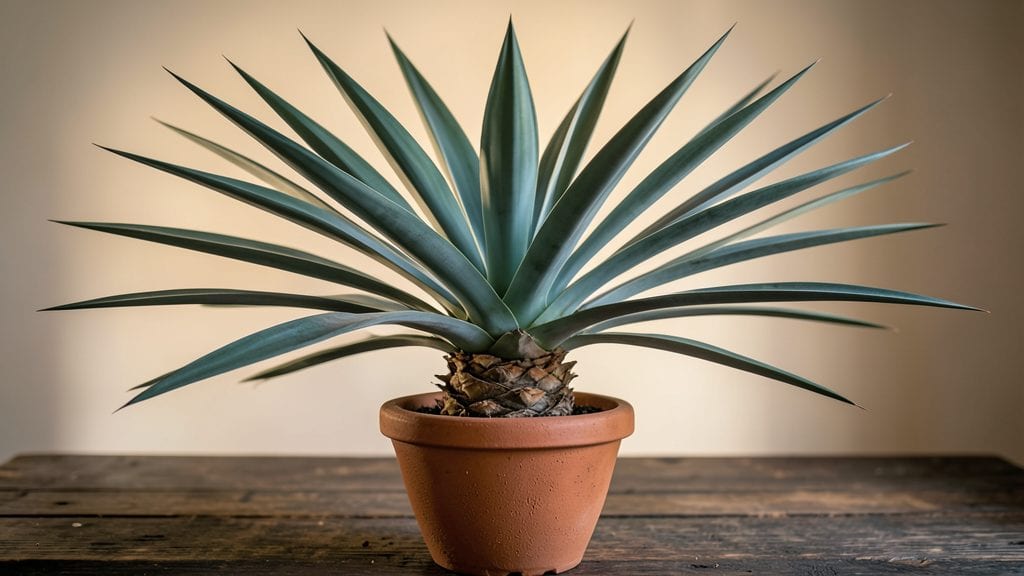
Yucca plants turn your garden into a desert oasis without the travel. These drought-proof stunners handle poor soil, scorching sun, and forgetful watering better than most perennials—once you know their secrets.
I’ve grown them in everything from sandy Florida soil to rocky Midwest beds, and they always come back stronger every year.
The key is matching their natural toughness with simple care: full sun, well-draining soil, and water only when the ground is bone-dry. They’re the ultimate low-maintenance plant—no fussing over moisture levels or rich compost.
My front yard yucca now stands taller than me, and it’s been thriving for five years with almost no attention beyond an occasional trim.
You’ll end up with striking sword-like foliage that adds dramatic texture to borders, containers, or even as a standalone specimen. The blooms—when they appear—are like torchlights in the garden, drawing in hummingbirds and bees. Best of all? They multiply effortlessly, giving you free plants to share or expand your garden.
Works in zones 4-11, from coastal climates to high deserts, and even tolerates urban pollution. Here’s how to get yours growing strong from the start—no green thumb required.
📚 In This Guide
- What you need
- Instructions
- Tips and common mistakes
- Wrapping up and next steps
What you need
- ● Yucca plant: 1-3 mature plants, offsets, or seeds (varies by desired size and growth speed). Pro tip: 💡 Start with 1-2 plants if testing the soil first!
- ○ Well-draining soil: 5-10 cubic feet of cactus/succulent mix or amended garden soil (50% native soil + 50% perlite/sand). Optional: Add compost (10%) for extra nutrients.
- ● Planting hole: Dig a hole twice as wide and slightly shallower than the root ball (or seed depth: ¼ inch for seeds).
- ○ Gravel or rocks: 1-2 bags (20 lbs each) for mulching (optional but highly recommended for drought-prone areas).
- ● Gloves: 1 pair (heavy-duty for handling sharp leaves).
- ● Watering can or hose: With a gentle spray nozzle (yuccas hate soggy roots!).
- ● Pruners: 1 pair of sterilized, sharp pruners (for trimming dead foliage or offsets).
- ○ Stakes (optional): 2-3 bamboo stakes (for young plants in windy areas).
- ● Fertilizer: Balanced, slow-release fertilizer (e.g., 10-10-10) or succulent-specific granules (apply once a year in spring).
- ● Mulch fabric: Landscape fabric (5 sq. ft.) to suppress weeds around mature plants.
- ● Soil pH test kit: To check soil acidity (yuccas prefer neutral to slightly alkaline, pH 6.0-7.5).
- ● Container (if potted): 1-2 large, drain-heavy pots (12"+ diameter) with drainage holes.
- ● Plant food (liquid): Diluted fish emulsion (for a nutrient boost during active growth).
Step-by-Step instructions for planting and caring for yucca plants
Yucca thrives with minimal fuss—here’s how to plant and nurture these striking, drought-resistant beauties.
Choose the Right Location and Prepare the Soil
Yucca plants adore full sun, so pick a spot that gets at least 6-8 hours of direct sunlight daily. These plants handle heat and drought beautifully, making them perfect for sunny, dry areas. If you’re planting in a container, place it where it will receive plenty of light—even a south-facing window or patio works.
Yucca isn’t picky about soil, but it does best in well-draining, sandy, or rocky soil. If your garden soil is heavy or clay-like, mix in 2-3 inches of coarse sand or gravel to improve drainage. Avoid amending with rich compost—yucca prefers lean, gritty soil. Dig a hole twice as wide as the root ball but only as deep as the container it came in.
Plant Yucca at the Correct Depth and Spacing
Remove the plant from its container and gently loosen the roots if they’re tightly bound. Place the yucca in the hole so the top of the root ball sits level with the surrounding soil—burying too deep can cause rot, while planting too shallow may expose roots to extreme heat. For multiple plants, space them 3-5 feet apart to allow room for their mature size.
Backfill the hole with soil, pressing lightly around the base to eliminate air pockets. Water deeply right after planting to help settle the soil, but avoid overwatering—yucca roots need air, not soggy conditions. If planting in a container, use a pot with drainage holes and fill it with a mix of potting soil and perlite for extra drainage.
Water Sparingly and Monitor Growth
Yucca is drought-tolerant once established, so water deeply once a week during the first month after planting. After that, water only when the soil feels completely dry to the touch, which could mean every 2-3 weeks or less in hot, dry climates. Overwatering is the fastest way to kill yucca—let the soil dry out between waterings to prevent root rot.
Fertilizing isn’t necessary, but if you want to encourage growth, apply a balanced, slow-release fertilizer in early spring. You’ll notice new growth emerging from the center of the plant in late spring or early summer. Yucca grows slowly but steadily, so patience is key—avoid the urge to overwater or fertilize, as these plants thrive on neglect.
Prune and Maintain for a Neat Appearance
Yucca requires minimal pruning, but you can remove dead or damaged leaves at any time with clean, sharp pruners. Cut back to healthy growth just above a leaf node. If the plant develops long, leggy stems, you can trim them back by one-third to encourage bushier growth. Always sterilize your pruners with rubbing alcohol to prevent disease.
In colder climates, yucca may need winter protection. If temperatures drop below 20°F, cover the base of the plant with 2-3 inches of mulch or wrap it in burlap to shield it from frost. Yucca is hardy in USDA zones 4-11, but young plants or those in exposed areas may need extra care in harsh winters.
Tips & tricks for perfect yucca plant care
Yucca plants are tough survivors, but these small details will help you get the most out of their striking, architectural beauty—without any fuss.
Sunlight is Non-Negotiable: Those 6-8 hours of direct sunlight in Step 1 are crucial for vibrant growth. If your yard has limited sun, consider a south-facing window or a reflective surface like a white wall to maximize light exposure. I've seen yucca plants in containers thrive on patios with just 4-5 hours of direct sun, but they'll grow much more slowly and may develop leggy stems.
Drainage is Everything: The instructions mention mixing in 2-3 inches of coarse sand or gravel for heavy soil, but don't stop there. If you're planting in containers, use a mix that's at least 30% perlite or pumice—this prevents root rot, which is the #1 killer of yucca. I've lost three yuccas to overwatering because their containers didn't drain properly, so always check for drainage holes before planting.
Watering Wisdom: The once-a-week watering schedule in Step 3 is perfect for the first month, but here's what nobody tells you: stick your finger 2 inches into the soil before watering. If it feels dry, water deeply; if it's still moist, wait another week. In my desert garden, established yuccas go 6-8 weeks between waterings during summer heatwaves—don't be afraid to let the soil dry out completely.
Winter Protection Strategy: That 20°F threshold in Step 4 is the critical point for cold damage. If you're in a marginal zone (like USDA Zone 4), I recommend moving container-grown yuccas to a sheltered location or wrapping them in burlap before temperatures drop. For in-ground plants, mound 3-4 inches of mulch around the base—this extra insulation can make all the difference between a frozen plant and one that survives winter unscathed.
Pro Tips for Garden Yucca Plants
- Yucca plants are tough survivors, but these small details will help you get the most out of their striking, architectural beauty—without any fuss.
- Sunlight is Non-Negotiable: Those 6-8 hours of direct sunlight in Step 1 are crucial for vibrant growth.
- Drainage is Everything: The instructions mention mixing in 2-3 inches of coarse sand or gravel for heavy soil, but don't stop there.
Frequently asked questions
Got questions about growing garden yucca plants? You’re not alone!
Here are answers to the most common queries—from care tips to troubleshooting—so you can keep your Yucca looking stunning with minimal fuss.
How often should I water my garden yucca plant?
Yucca plants are drought-tolerant stars—water them deeply every 2–3 weeks in hot, dry climates, or once a month in cooler seasons. Overwatering is the #1 killer, so let the soil dry out completely between waterings. Pro tip: Mulch around the base to retain moisture and deter weeds!
Can garden yucca survive winter frost?
Most garden yucca varieties (like Yucca filamentosa or Yucca rostrata) are hardy to USDA Zones 4–11, but young plants or tender species may need winter protection. In freezing temps (<32°F), wrap the base with burlap or frost cloth or cover with straw mulch. Avoid watering before frost—wet foliage can crack under ice!
What pests or diseases should I watch for?
Yucca plants are generally pest-resistant, but keep an eye out for:
- Scale insects (sticky residue on leaves)—wipe with soapy water or use neem oil.
- Yucca moths (harmless pollinators)—ignore them!
- Root rot (from overwatering)—ensure well-draining soil and avoid soggy conditions.
Quick fix: Trim damaged leaves with sterilized pruners to encourage new growth.
What are some great companion plants for yucca?
Yucca thrives with low-maintenance, drought-loving pals like:
- Agave (succulent, architectural contrast)
- Lavender (fragrant, pollinator-friendly)
- Russian sage (silvery foliage, long bloom season)
- Blackfoot daisy (cheerful yellow blooms)
Avoid planting near water-hogging plants like hydrangeas—they’ll compete for moisture.
Why isn’t my yucca flowering?
Yucca flowers (when they appear!) are a sign of maturity and stress relief. If yours isn’t blooming:
- It may need more sunlight (6+ hours of direct sun daily).
- It could be too young (some take 3–5 years to flower).
- Check for nutrient deficiencies—apply a balanced fertilizer in spring.
Fun fact: Yucca flowers attract hummingbirds and moths—so patience pays off!
Wrapping up and next steps
Garden yucca plants are the ultimate low-maintenance superstars for any landscape—whether you're battling drought, rocky soil, or just craving a touch of desert drama. 🌵 Their striking foliage and hardy nature make them a must-have for both beginners and seasoned gardeners alike.
With the right care (and a little patience), you’ll enjoy years of effortless beauty that turns heads and attracts pollinators.
Ready to level up your garden? Start by picking your favorite yucca variety and planting it in a sunny spot this weekend. Pro tip: Snap a photo of your progress—your future self (and your neighbors!) will thank you. Happy gardening! 🌟