
Companion Plants
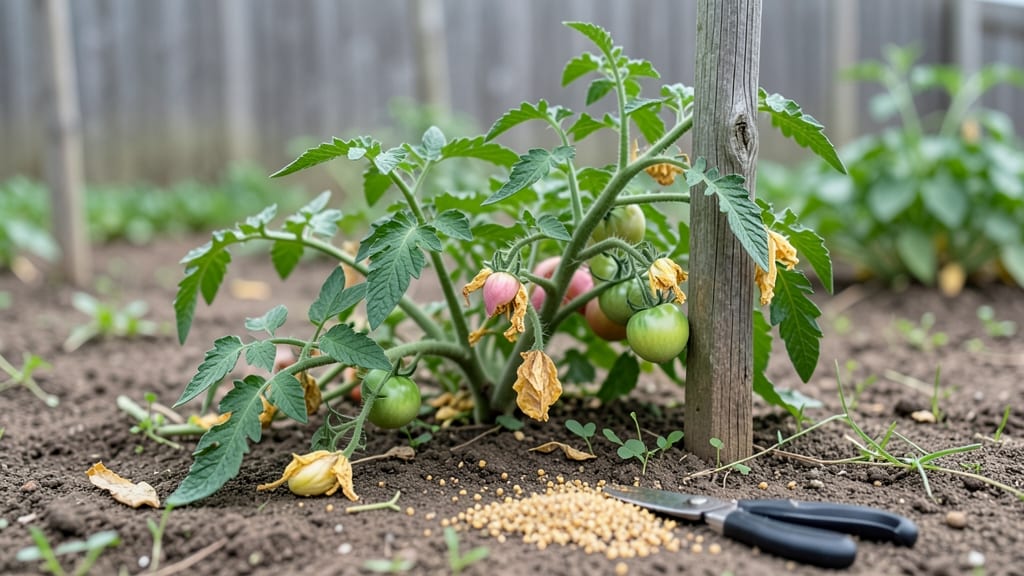
Gardening expert Mark Lane’s advice for tomato plants begins with one simple truth: the best vines start with rich, well-draining soil mixed with compost before the first seed goes in.
I’ve seen his methods transform struggling plants into heavy producers, and the secret isn’t just the soil—it’s the consistency in care that keeps them thriving all season. The first step?
Test your soil’s pH (aim for 6.2–6.8) and amend it before planting, because tomatoes are picky eaters that reward precision over guesswork.
His pruning technique alone cuts down on disease and boosts fruit production—something I learned the hard way after losing half my harvest to blight.
Lane recommends removing suckers (those little shoots in the leaf axils) when they’re no bigger than a pencil, which redirects energy to the main stem and fruit clusters.
Watering at the base (not overhead) and mulching with straw keeps roots cool and prevents cracked skins, two of the most common rookie mistakes. Even in my hot, humid zone, this method keeps plants productive for 10+ weeks without stress.
What sets Lane’s approach apart is his focus on preventative care—not just treating problems after they appear. He insists on rotating crops yearly to starve soil-borne diseases, using row covers for early blight protection, and even suggesting a light dusting of diatomaceous earth around the base to deter slugs.
The payoff? Tomatoes that ripen faster, taste sweeter, and stay blemish-free until you’re ready to pick them. His advice isn’t just theory; it’s battle-tested in backyards from Florida to Oregon.
For those new to his methods, start small: try one heirloom variety in a 5-gallon container to master his techniques before scaling up. The key takeaway? Tomatoes don’t need fancy setups—they need your attention to detail, and Lane’s advice gives you the exact roadmap to follow.
Once you see your first vine heavy with fruit, you’ll understand why gardeners swear by his system every year.
📚 In This Guide
- What you need
- Instructions
- Tips and common mistakes
- Wrapping up and next steps
What you need
- ● Tomato Seeds or Seedlings: 4–6 plants per person (or 1–2 per pot if container gardening). Choose heirloom or hybrid varieties like Cherry Tomatoes, Beefsteak, or Roma.
- ● Quality Potting Soil: 10–20 lbs of well-draining, organic-rich soil (e.g., Miracle-Gro or FoxFarm Ocean Forest). For containers, use a soilless mix with perlite or vermiculite.
- ● Containers or Garden Space: Containers: 5-gallon pots or larger (minimum 12" deep) for 1 plant. Ensure drainage holes!
- ● Garden Beds: Full sun (6+ hours/day) and space 18–24" apart for indeterminate varieties; 12–18" for determinate.
- ● Support Structures: Cages or Stakes: 5–6 ft tall for indeterminate tomatoes (e.g., Tall Tomato Cages or bamboo stakes).
- ○ Trellis or String System: For sprawling varieties (optional but highly recommended!).
- ● Fertilizer: Balanced Fertilizer: 10-10-10 or 5-10-10 (e.g., Espoma Garden-Tone) at planting.
- ● Tomato-Specific Feed: Liquid fertilizer (e.g., Miracle-Gro Tomato Food) every 2–3 weeks after flowering.
- ● Mulch: 2–3 inches of straw or shredded leaves to retain moisture and suppress weeds.
- ● Watering Tools: Hose with adjustable nozzle or drip irrigation kit (consistent moisture is key! 💦).
- ● Companion Plants: Basil, marigolds, or borage to deter pests and boost growth.
- ● Pruning Shears: For trimming suckers (small side shoots).
- ● Plant Clips or Twine: To secure vines to supports.
- ● Shade Cloth: For hot climates (30–50% shade during peak sun).
- ● pH Test Kit: Ideal soil pH for tomatoes: 6.0–6.8.
Step-by-step instructions for thriving tomato plants
Mark Lane’s method transforms average tomato vines into productive, disease-resistant powerhouses—here’s how he does it.
Select and Prepare Healthy Starts
Choose transplants with strong stems and deep green leaves—avoid leggy or yellowing seedlings. I always pick heirloom or hybrid varieties suited to my climate, like ‘Brandywine’ for flavor or ‘Early Girl’ for speed. Handle plants by their leaves, not stems, to prevent damage.
Before planting, trim any yellow or damaged leaves with clean pruning shears—this reduces stress and disease risk. Soak the roots in lukewarm water for 10-15 minutes to rehydrate them before transplanting. This step ensures a smoother transition into the soil.
Plant in Well-Drained, Nutrient-Rich Soil
Tomatoes thrive in loamy soil with a pH of 6.0-6.8. Amend heavy clay or sandy soil with 2-3 inches of compost mixed into the top 12 inches of bed. I dig a hole twice as wide as the root ball but no deeper—burying the stem too deeply encourages rot.
Place the plant so the topmost set of leaves sits just above soil level. Fill the hole, pressing soil gently around roots to eliminate air pockets. Water deeply until moisture reaches 6 inches down, helping roots establish quickly. Mulch with 2-3 inches of straw to retain moisture and suppress weeds.
Provide Support and Optimal Light
Install a sturdy cage or stake at planting time—tomatoes hate being moved later. I use 5-6 foot cages for indeterminate varieties and 3-4 foot stakes for determinate types. Secure the plant to the support with soft ties (like old T-shirts) to avoid stem damage.
Tomatoes need full sun—6-8 hours daily. If your garden gets less, supplement with a grow light for 14-16 hours/day. Watch for leggy growth (thin stems, spaced-out leaves)—this signals insufficient light. Prune suckers (side shoots) regularly to direct energy to fruit production, not foliage.
Water and Fertilize Strategically
Water deeply 1-2 times per week, aiming for 1-1.5 inches of moisture per session. I water early morning to reduce fungal risks. Avoid wetting leaves—use drip irrigation or a soaker hose at the base. Let the top 2 inches of soil dry between waterings to prevent root rot.
Feed plants every 3-4 weeks with a balanced fertilizer (10-10-10) or compost tea. I switch to low-nitrogen, high-phosphorus (5-10-10) when flowers appear to boost fruiting. Stop fertilizing 4-6 weeks before harvest—excess nitrogen delays ripening. Watch for blossom end rot (calcium deficiency)—add crushed eggshells or calcium nitrate to prevent it.
Prune and Harvest for Maximum Yield
Prune suckers (the shoots growing between the main stem and branches) weekly to improve air circulation and fruit size. Remove yellow or diseased leaves immediately—don’t let them linger. I also pinch off the first flower cluster on indeterminate varieties to encourage stronger early growth.
Harvest when tomatoes are fully colored and slightly soft to the touch. Pick green tomatoes in fall and ripen indoors with a paper bag (they release ethylene gas). Store ripe tomatoes at room temperature—never in the fridge until fully ripe. This method keeps flavors vibrant and extends the harvest season.
Tips & tricks for thriving tomato vines
Mastering these simple techniques will help you grow tomatoes that rival the best gardeners' harvests—without the guesswork.
Start with the Right Foundation: In Step 1, when selecting transplants, look for ones with a sturdy stem that doesn't wobble when you gently tug. The roots should be white and dense, not brown or mushy. I've learned the hard way—skipping this check leads to plants that struggle from day one. That 10-15 minute root soak before planting makes all the difference, especially in hot weather when roots dry out quickly.
Soil Science Matters: The 2-3 inches of compost mixed into your top 12 inches of soil isn't just about nutrients—it's about creating the perfect environment. I test my soil's pH every year because tomatoes are particular about that 6.0-6.8 range. If your soil is heavy clay, work in additional compost to improve drainage. Remember, that hole should be twice as wide as the root ball but no deeper—burying too much stem creates rot-prone conditions.
Light and Support Strategy: Those 6-8 hours of full sun are non-negotiable, but here's what nobody tells you: the quality matters too. If your morning sun is bright but afternoon sun gets blocked, supplement with a grow light for 14-16 hours. I've seen tomatoes grow leggy when they get uneven light—those thin stems can't support heavy fruit. Install your support system at planting time and use soft ties to avoid damaging the stem as the plant grows.
Watering Wisdom: The 1-1.5 inches of water per session in Step 4 should go deep—aim for that 6-inch moisture level. I water early morning so leaves have time to dry before evening, which prevents fungal diseases. That top 2 inches of dry soil between waterings is crucial; it prevents root rot while keeping the plant hydrated. A soaker hose makes this easier and keeps water off the leaves where it belongs.
Pro Tips for Gardening Expert Mark Lane'S Advice For Tomato Plants
- Mastering these simple techniques will help you grow tomatoes that rival the best gardeners' harvests—without the guesswork.
- Start with the Right Foundation: In Step 1, when selecting transplants, look for ones with a sturdy stem that doesn't wobble when you gently tug.
- Soil Science Matters: The 2-3 inches of compost mixed into your top 12 inches of soil isn't just about nutrients—it's about creating the perfect environment.
Frequently asked questions
Got questions about growing tomatoes like a pro?
Mark Lane’s decades of experience have tackled them all. Here are answers to the most common concerns—so you can grow juicy, healthy tomatoes with confidence.
When is the best time to plant tomato seeds or seedlings?
Tomatoes thrive in warm soil—wait until after the last frost when nighttime temps stay above 50°F (10°C). For seedlings, transplant them after they’ve developed 2–3 true leaves (usually 6–8 weeks after sowing). Pro tip: Use a soil thermometer to check—ideal temps are 70–85°F (21–29°C).
How long does it take for tomato plants to produce fruit?
From seed to harvest, it typically takes 60–85 days for determinate (bush) varieties and 70–100 days for indeterminate (vining) types. Factors like sunlight, soil quality, and watering speed this up. Mark’s hack: Start seeds indoors 6–8 weeks before the last frost to maximize your growing season!
What should I do if my tomato plants get pests like aphids or hornworms?
Act fast! Handpick hornworms (they’re sneaky!) and blast aphids off with a strong spray of water. For organic control, introduce ladybugs or spray neem oil. Prevention tip: Plant basil, marigolds, or nasturtiums nearby—they repel pests naturally!
How often should I water tomato plants, and what’s the best method?
Water deeply 1–2 times per week (more in extreme heat), aiming for 1–1.5 inches of water. Use drip irrigation or soaker hoses to keep leaves dry (wet foliage = disease risk). Mark’s golden rule: Water at the base in the morning to reduce evaporation and fungal growth.
Why are my tomato flowers falling off before fruiting?
This usually means stress—too much heat (<90°F/32°C), inconsistent watering, or poor pollination. Fix it: Gently shake plants to aid pollination, mulch to retain moisture, and provide afternoon shade in scorching climates. Bonus: Bees love tomatoes—plant flowers nearby to boost pollinators!
Can I grow tomatoes in containers, and what’s the best setup?
Use pots at least 5 gallons for determinate varieties or 10+ gallons for indeterminate types. Ensure drainage holes, fill with lightweight potting mix, and stake or cage plants for support. Container tip: Place in full sun (6+ hours/day) and fertilize weekly with a balanced liquid feed.
Wrapping up and next steps
Mark Lane’s wisdom proves that growing thriving tomato plants is all about patience, preparation, and a little love—plus the right companion plants! 🌱 From selecting the best varieties to mastering pruning and pest control, these proven techniques will set you up for a bountiful harvest.
Remember, even the pros started with a single seedling, so don’t hesitate to roll up your sleeves and get growing.
Ready to take the next step? Start by sketching a simple garden layout with your tomatoes and their ideal companions—like basil or marigolds—and watch your green thumb flourish! 🌿