
Tools
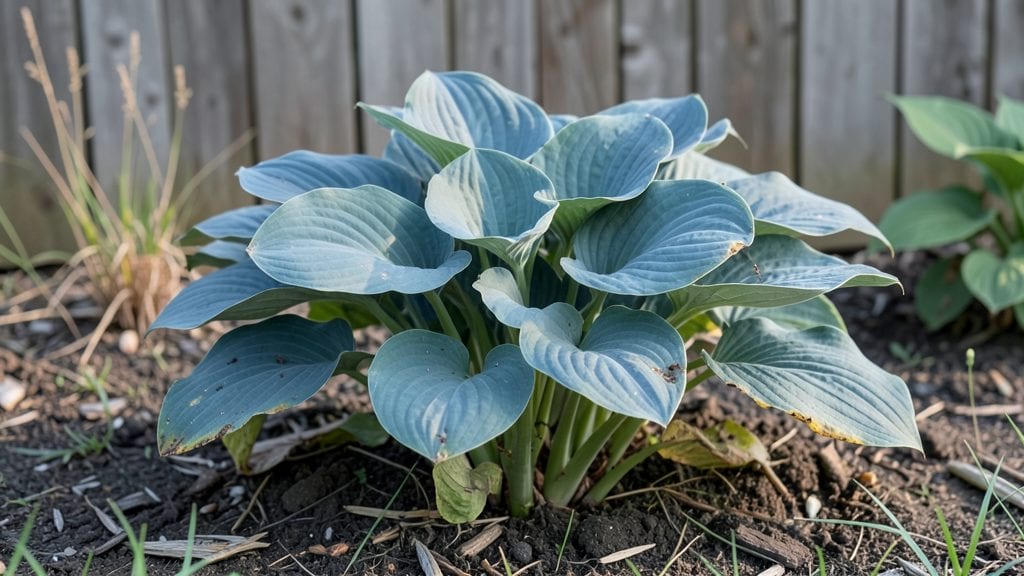
Gardening in Minnesota means working with a climate that tests your patience—but the right cold-hardy plants turn those challenges into rewards. 🌱 I’ve grown everything from hardy kale to winter squash here, and the key isn’t fighting the cold, it’s choosing plants that embrace it.
The growing season might be short, but with the right timing and varieties, you can harvest fresh produce from May through October.
The secret starts with soil prep: Minnesota’s clay-heavy soil drains poorly, so amending with compost or sand keeps roots happy. Plant after the last frost (usually late April to early May), and focus on fast-maturing crops like peas, radishes, and bush beans.
Perennials like asparagus and rhubarb reward you for years, while cold-tolerant veggies like Swiss chard and kale keep producing even as temperatures dip.
By late summer, you’ll be harvesting crisp carrots, sweet potatoes, and late tomatoes—proof that Minnesota gardening isn’t about struggling, it’s about strategy. The payoff? Homegrown food that beats the grocery store in flavor, texture, and satisfaction.
Plus, you’ll learn to time your planting so nothing gets wasted in the short season.
Winter prep is just as important: mulch heavily, protect tender plants, and start seeds indoors in February. It’s not about giving up on gardening—it’s about adapting to the climate and making it work for you. Here’s how to make the most of every season.
📚 In This Guide
- What you need
- Instructions
- Tips and common mistakes
- Wrapping up and next steps
What you need
- ● Cold-hardy seeds or seedlings: Choose varieties like kale, spinach, broccoli, peas, potatoes, and hardy perennials (Zone 3-4 rated). Start with 5–10 plants of each type for a balanced garden.
- ● Garden soil: 2–3 cubic yards of high-quality, well-draining soil (amend with compost for nutrients). MN’s clay-heavy soil? Mix in peat moss or sand to improve texture.
- ● Organic compost: 1–2 bags (or homemade) to enrich soil and retain moisture in dry spells.
- ● Mulch: 2–3 bags of straw, wood chips, or shredded leaves to insulate roots and suppress weeds.
- ● Drip irrigation or soaker hoses: 50–100 feet to conserve water and protect plants from frost.
- ● Garden trowel: 1 (for planting small seeds and transplanting).
- ● Pruning shears: 1 (sharp, bypass-style for clean cuts).
- ● Garden fork: 1 (for aerating soil and breaking up clay).
- ● Wheelbarrow: 1 (to haul soil, compost, and plants).
- ● Gloves: 2 pairs (one for heavy-duty work, one for delicate tasks).
- ○ Cold frame or row covers: Optional but highly recommended for extending the growing season. Look for frost blankets or hoop tunnels.
- ● 🌡️ Test your soil! MN’s alkaline soil may need sulfur or lime adjustments. Grab a $20 soil test kit from your local extension office.
- ● ✨ Start indoors early (March–April) for heat-loving plants like tomatoes or peppers, then transplant after the last frost (mid-May).
- ● 🔥 Hardiness matters: Stick to Zone 3–4 plants—avoid tropical varieties unless you’re willing to babysit them!
Instructions for establishing a cold-hardy Minnesota garden
Here's how to build a resilient landscape that survives Minnesota's harsh winters and thrives in summer.
🌱 Step 1: Prepare Your Soil for Minnesota's Climate
Start by amending your soil with 2-3 inches of compost—this improves drainage and provides nutrients that cold-hardy plants need to establish strong roots. Minnesota's heavy clay soil benefits from organic matter to prevent compaction. I like to work the compost into the top 6 inches of soil using a broadfork or tiller.
Test your soil's pH—most cold-hardy plants prefer a range of 6.0 to 7.0. If your soil is too acidic, add 1-2 pounds of lime per 100 square feet and mix it in. Wait 2-3 months before planting to let the pH adjust. You'll know it's ready when the soil crumbles easily between your fingers and holds moisture without becoming waterlogged.
☀️ Step 2: Select and Plant Cold-Hardy Species
Choose plants rated for USDA Zones 3-4, like coneflowers, black-eyed Susans, and Russian sage. These varieties handle Minnesota's below-zero winters and hot summers with ease. For perennials, plant in early spring or early fall when soil temperatures are 50-60°F—this gives roots time to establish before winter.
Dig holes twice as wide as the root ball but only as deep. Place each plant so the top of the root ball sits level with the surrounding soil. Backfill with native soil mixed with a handful of compost per plant. Water deeply immediately after planting to eliminate air pockets and encourage root contact with the soil.
💧 Step 3: Establish a Mulching Routine for Winter Protection
Apply 3-4 inches of shredded bark or straw mulch around plants after the first frost. This insulates roots from temperature swings and retains moisture during Minnesota's dry summers. Keep mulch 2-3 inches away from plant stems to prevent rot. I like to spread mulch in late October before the ground freezes.
In early spring, add a 1-2 inch top layer of mulch to replenish what broke down over winter. This gradual approach prevents soil temperature shocks and keeps weeds at bay. Watch for mulch pulling away from plants—this means it's time to refresh the layer before summer heat arrives.
✂️ Step 4: Prune and Maintain for Long-Term Resilience
Prune perennials in early spring before new growth appears. Cut back dead foliage to 2-3 inches above the ground, but leave any seed heads for winter interest and wildlife. For shrubs like lilacs, prune immediately after flowering to maintain shape and encourage next year's blooms.
Fertilize in early spring with a balanced 10-10-10 formula—this gives plants a steady nutrient supply without encouraging tender new growth before winter. Water deeply once a week during dry spells, aiming for 1 inch of water per week. You'll know your garden is thriving when plants show vigorous new growth by mid-May and maintain healthy foliage through September.
⏰ Step 5: Prepare for Winter Dormancy
In late fall, cut back any remaining annuals and remove diseased plant debris to prevent overwintering pests. For tender perennials like peonies, add 6-8 inches of mulch to protect roots from freeze-thaw cycles. I always mark these areas with small stakes so I remember where they are when spring arrives.
Leave seed heads and dried flowers on perennials like coneflowers—they provide food for birds and add winter interest. If heavy snow is forecast, gently brush snow off evergreen branches to prevent breakage. By following these steps, your garden will return year after year stronger than before.
Tips & tricks for perfect Minnesota gardening
Building a garden that thrives in Minnesota's extreme climate takes a few key strategies that most gardeners miss.
Soil Prep Secret: Don't just add compost—work it into the top 6 inches of soil using a broadfork. This prevents compaction in Minnesota's heavy clay while ensuring roots get the nutrients they need to survive winter. I've found that adding a handful of perlite to the mix helps with drainage in those wet springs we all know too well.
Planting Timing Tip: The 50-60°F soil temperature window for planting is your golden opportunity. Use a soil thermometer to check—planting too early when soil is still cold stresses roots. I've learned this the hard way after seeing plants struggle through Minnesota's unpredictable spring weather.
Mulch Layer Strategy: That 3-4 inch winter mulch layer is non-negotiable for survival. For extra protection, I like to add a layer of straw on top of the bark mulch—it creates better insulation against those brutal winter temperature swings. Just remember to keep it 2-3 inches away from stems to prevent rot.
Pruning Precision: When cutting back perennials to 2-3 inches above ground, leave those seed heads for winter interest and wildlife. I've noticed that birds absolutely love the seed heads on coneflowers, and they'll keep coming back year after year if you let them. This small detail makes a big difference in garden resilience.
Pro Tips for Gardening In Mn
- Building a garden that thrives in Minnesota's extreme climate takes a few key strategies that most gardeners miss.
- Soil Prep Secret: Don't just add compost—work it into the top 6 inches of soil using a broadfork.
- Planting Timing Tip: The 50-60°F soil temperature window for planting is your golden opportunity.
Frequently asked questions
Got questions about gardening in Minnesota’s chilly climate?
Here are answers to some of the most common ones—so you can grow a thriving garden, even with frost on the ground!
What’s the best time to start planting in Minnesota?
Minnesota’s short growing season means timing is key! Start cool-season crops (like kale or peas) in early spring (as soon as soil thaws) or late summer for fall harvests. Warm-season plants (tomatoes, peppers) wait until after the last frost (usually mid-May in southern MN, early June in the north). Check your local frost dates for precision!
Can I garden in Minnesota year-round?
While frost limits outdoor gardening, you can extend the season! Use cold frames, hoop houses, or row covers to protect plants in shoulder seasons. For winter, try garage or basement gardening with sprouts, microgreens, or herbs. Hardier perennials (like asparagus or rhubarb) often survive winter with mulch—just avoid disturbing roots until spring!
What are the easiest cold-hardy plants for beginners in MN?
Start with these low-maintenance, resilient picks:
- Perennials: Coneflowers, lavender, and catmint (drought-tolerant + pollinator-friendly!).
- Vegetables: Potatoes (plant early!), kale, Swiss chard, and spinach (survive light frosts).
- Herbs: Thyme, oregano, and parsley (perennial and pest-resistant).
Bonus: Bush beans and radishes grow fast—great for quick wins!
How do I deal with pests in Minnesota’s unpredictable climate?
MN’s fluctuating temps stress plants, making them vulnerable. Prevent pests with:
- Row covers to block insects.
- Neem oil or insecticidal soap for early infestations.
- Beneficial predators (ladybugs, lacewings) for long-term control.
Watch for Japanese beetles (late summer) and cabbage worms (spring). Handpick or use UMN’s pest guides for ID tips.
What’s the quickest way to improve MN garden soil?
Minnesota’s clay-heavy soil drains poorly but improves with organic matter! Mix in:
- Compost (homemade or store-bought).
- Leaf mold (free from fallen leaves!).
- Peat moss or coconut coir (for water retention).
Test your soil’s pH (UMN Extension offers free kits)—most MN veggies prefer 6.0–7.0. Add lime to raise pH or sulfur to lower it if needed.
Wrapping up and next steps
Gardening in Minnesota doesn’t have to be a challenge—with the right cold-hardy plants and a little preparation, you can create a thriving garden that stands up to the North Star State’s unique climate.
From resilient perennials to hearty vegetables, there’s no shortage of options to make your green space flourish year after year. 🌱
Ready to roll up your sleeves? Start small—whether it’s a single raised bed or a corner of your yard—and let your passion for gardening grow. Happy planting!
- Next step: Pick your favorite cold-hardy plants from this guide and sketch a simple garden layout.
- Pro tip: Mark your calendar for spring soil prep—Minnesota’s growing season starts earlier than you think! ⏳