
Tools
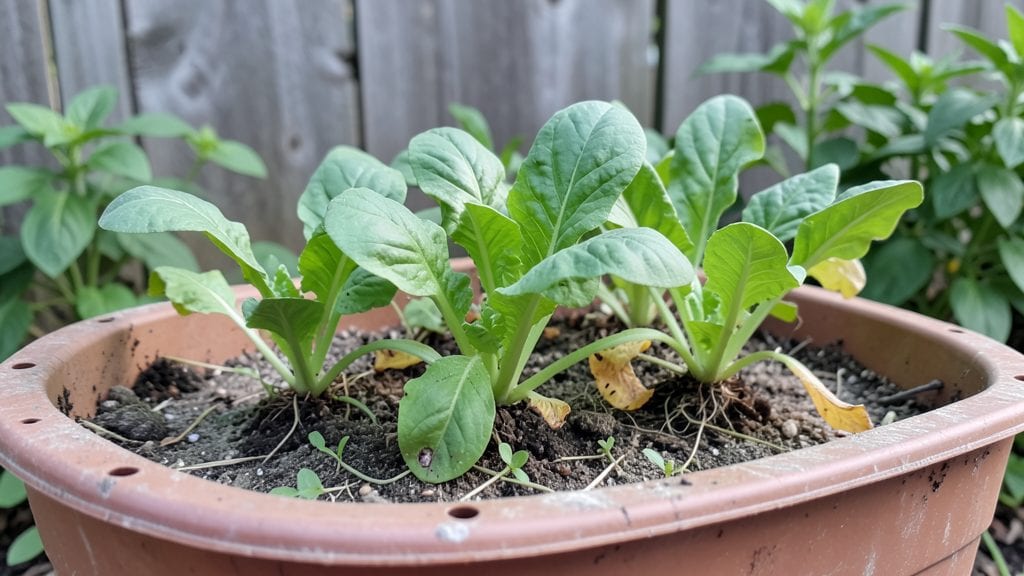
Gardening in preschool turns dirt and seeds into a hands-on classroom where little hands learn science, patience, and where their food comes from. 🌱 I’ll never forget the first time my preschooler’s eyes lit up when she pulled a bright red radish from the ground—it was the perfect mix of messy, magical, and educational.
The key isn’t perfection; it’s making the process simple, safe, and packed with instant gratification for tiny gardeners.
Start with plants that grow fast and taste great: cherry tomatoes, bush beans, or lettuce that kids can harvest in weeks. Use raised beds or containers to keep soil contained and little explorers safe from digging too deep.
Add sensory elements like textured leaves (think Swiss chard) or colorful flowers (like sunflowers) to keep curiosity high. Even a small plot can teach big lessons about growth cycles and responsibility.
You’ll end up with a classroom that smells like fresh soil and sunshine, where kids understand the connection between seeds and snacks. The best part? They’ll beg to "help" with watering and weeding, turning chores into adventures.
By summer’s end, you’ll have a thriving garden and a classroom that grows along with them.
This works in any space—backyard, patio, or even a sunny classroom window. The secret is keeping it simple, letting kids lead the way, and celebrating every tiny victory, from planting to harvest. Ready to turn your preschool garden into the most exciting learning space?
📚 In This Guide
- What you need
- Instructions
- Tips and common mistakes
- Wrapping up and next steps
What you need
- ● Containers: 6–10 biodegradable pots (4–6" diameter) or recycled plastic cups (with drainage holes punched in the bottom).
- ● 1–2 large shallow trays (12"x18") for grouping plants or seedlings.
- ● Soil: 1–2 bags of seed-starting mix (lightweight, sterile) or potting soil (avoid garden soil—it’s too heavy!).
- ○ Optional: Compost or worm castings (1 small bag) for nutrient-rich soil (great for edible plants!).
- ● Seeds: Fast-growing, easy-to-handle seeds like sunflower, bean, or radish (choose large seeds for little hands!).
- ● Quantity: 5–10 seeds per child (or per container).
- ● Tools: 1 child-sized trowel (plastic, 6–8" long) or a spoon for digging.
- ● 1 spray bottle (8 oz) for gentle watering.
- ○ 1 small hand shovel (optional, for outdoor gardens).
- ● Decorative stickers or markers for labeling pots (let kids personalize their plants!).
- ● A mini greenhouse or clear plastic dome (to keep seeds cozy).
- ● Gloves (cotton or rubber, toddler-sized) for messy fun.
- ● A watering can with a long spout (for outdoor gardens).
- ● Edible plant markers (e.g., popsicle sticks with veggie drawings).
- ● A sunny spot (indoors or outdoors) with at least 4–6 hours of light daily.
- ● Access to water (a sink or watering station nearby).
- ● Supervision—always stay close to little gardeners!
- ○ Optional: A small cart or wagon to transport supplies (if gardening outdoors).
Step-by-step instructions for gardening in preschool
Here’s how to turn tiny hands into green thumbs with simple, safe, and exciting edible adventures.
🌱 Step 1: Choose Easy, Fast-Growing Plants
Start with seeds or seedlings that sprout quickly and grow edible parts kids can see and taste. I always pick sunflower seeds (they grow fast and are big enough for little fingers to handle) or radish seeds (ready to harvest in just 2-3 weeks). Avoid anything with prickly leaves or small seeds—safety first!
Let the kids help pick their plants. Show them the seed packets and say, "This one will grow tall like a giant, and this one will pop out of the ground like a surprise!" That excitement keeps them engaged. If using seedlings, choose sturdy ones with 2-3 leaves—they’ll grow faster than seeds.
🪴 Step 2: Set Up a Kid-Sized Garden Space
Use a large shallow container (like a 12-inch-wide plastic bin or wooden crate) filled with 2-3 inches of potting mix. This keeps soil contained and easy to manage. Place it where kids can reach without climbing—near a window with at least 4-6 hours of sunlight or under a grow light if indoors.
Let the kids decorate their garden spot! Add a small watering can (the kind with a long spout) and a child-safe trowel (plastic works best). I also bring out stickers to label their plants—kids love seeing their names on their "big kid" garden. This step is all about making them feel ownership.
💧 Step 3: Plant Together (With Supervision)
Fill the container with the potting mix and have the kids press it down lightly with their hands—this helps roots grip the soil. Make small holes 1 inch deep (about the width of a finger) and let each child place 1-2 seeds in their spot. Cover gently with a sprinkle of soil, then mist with lukewarm water from a spray bottle.
Here’s the thing—don’t let them overwater. Too much moisture drowns seeds, and kids often get overenthusiastic. Show them how to check the soil: "If it feels like a damp sponge, we’re good! If it’s soggy, we’ll wait." This teaches patience and observation skills.
☀️ Step 4: Water and Watch for Growth
Water the garden every 2-3 days (or when the top inch of soil feels dry). Use the small watering can and let the kids take turns—just remind them to pour slowly so the soil doesn’t wash away. Place a stake or popsicle stick next to each plant to mark where it’s growing.
Kids will forget to check for growth, so set a weekly reminder. Say, "Let’s see if our sunflowers are poking their heads out yet!" When the first true leaves (not the tiny seed leaves) appear, celebrate! This is the moment they’ll remember—their very first plant growing because of them.
✂️ Step 5: Harvest and Celebrate
When the plants are ready (sunflowers in 4-6 weeks, radishes in 2-3 weeks), let the kids harvest their own food. Show them how to gently pull radishes or pick sunflower seeds. Say, "Look! You grew this! Now we get to eat it!" This connects them to the food they’re growing.
Wash the harvest together and turn it into a snack. Radishes can be sliced for a crunchy snack, and sunflower seeds can be roasted (with adult help). The goal isn’t just gardening—it’s creating memories and confidence. Save a few seeds from sunflowers to plant next year and watch their excitement grow!
Tips & tricks for perfect preschool gardening adventures
Here's what I've learned from years of turning messy little hands into enthusiastic gardeners—these tricks keep the fun high and the frustration low.
The Seed Selection Secret: Sunflower seeds are my go-to because they grow fast and give instant gratification. Radishes are another winner since they're ready in just 2-3 weeks—perfect for short attention spans. Confession: I skipped sunflowers once and used beans instead, but the kids got bored waiting for those to sprout. Stick to the fast growers!
Garden Space Genius: That 12-inch-wide container might seem small, but it's perfect for little hands. I've seen kids try to use giant flower pots and end up with soil everywhere. Place your garden on a tray or outside to contain the mess. And if you're indoors, a grow light makes all the difference—just 4-6 hours of light mimics outdoor conditions perfectly.
Planting Like a Pro: When making those 1-inch deep holes, show kids how to use their finger to measure. I like to say, "Make a hole as wide as your pinky finger!" This makes the task feel like a game. For the 1-2 seeds per spot, I let each child pick which seed goes where—it builds excitement and ownership. Just remind them not to pack the soil too tight after planting.
Watering Wisdom: The 2-3 days watering schedule works best, but I've learned to check the soil first. Kids often think "more water = better," so I teach them to squeeze a handful of soil—if it feels like a damp sponge, we wait. For the lukewarm water, I use a spray bottle because it's easier for little hands to control than a watering can. And always water in the morning so plants dry quickly.
Pro Tips for Gardening In Preschool
- Here's what I've learned from years of turning messy little hands into enthusiastic gardeners—these tricks keep the fun high and the frustration low.
- The Seed Selection Secret: Sunflower seeds are my go-to because they grow fast and give instant gratification.
- Garden Space Genius: That 12-inch-wide container might seem small, but it's perfect for little hands.
Frequently asked questions
Got questions about gardening with preschoolers? You’re not alone!
Here are answers to the most common queries to help you grow a thriving little green thumb—without the stress.
What are the easiest plants to grow with toddlers?
Start with fast-growing, low-maintenance plants like sunflower seeds, cherry tomatoes, or lettuce. These are forgiving, fun to watch, and perfect for tiny hands. Avoid anything toxic (like rhubarb leaves) or overly fussy (like orchids). Stick to edibles—they’ll love snacking on their harvest!
When is the best time to start a preschool garden?
Spring is ideal for most climates, but don’t wait for the "perfect" moment! Start indoors in late winter ( seedlings) or plant cold-hardy crops like spinach or kale in early spring. If you miss spring, try fall for cool-season veggies. Just keep soil moist and shade tender plants in summer. Patience is key—even toddlers can learn timing!
How can I garden on a budget with limited space?
Use repurposed containers (yogurt cups, egg cartons, or old buckets) for seeds, and raid your recycling bin for trellises (wire hangers work great!). Swap seeds with friends or save seeds from store-bought veggies/fruits (like tomatoes). Community gardens or school partnerships can also provide free space and tools. Think small, think creative!
How do I keep toddlers engaged without them eating the plants?
Turn gardening into a game! Let them water with spray bottles, paint pots with washable markers, or "hunt" for bugs (with supervision). Use color-coded labels for plants and assign them "jobs" like pulling weeds (with gloves!). Praise their efforts—even if the lettuce gets munched. Progress > perfection!
What do I do if my plants wilt or pests show up?
Don’t panic! Wilting often means overwatering or underwatering—check soil moisture with your finger. For pests, hose them off or introduce beneficial insects like ladybugs. If all else fails, treat it as a science lesson: "Let’s see what happens if we try this!" Compost failed plants and replant. Mistakes are just lessons in disguise.
Can I grow a garden indoors with toddlers?
Try herbs (basil, mint) or microgreens in sunny windowsills. Use grow lights for darker spaces and let kids decorate pots with stickers. Even a windowsill "farm" teaches responsibility. Just keep it simple—toddlers thrive on visible progress, like watching a sunflower sprout in a week!
Wrapping up and next steps
Gardening with preschoolers is more than just a fun activity—it’s a delightful way to nurture curiosity, patience, and a love for nature 🌱. Whether you’re growing sunflowers or snack-sized veggies, the little lessons in responsibility, science, and teamwork are priceless.
Start small, keep it playful, and watch those tiny hands (and hearts) grow alongside your plants!
Ready to dig in? Pick one plant to try this week—your preschooler’s first harvest awaits! 🌟