Advice
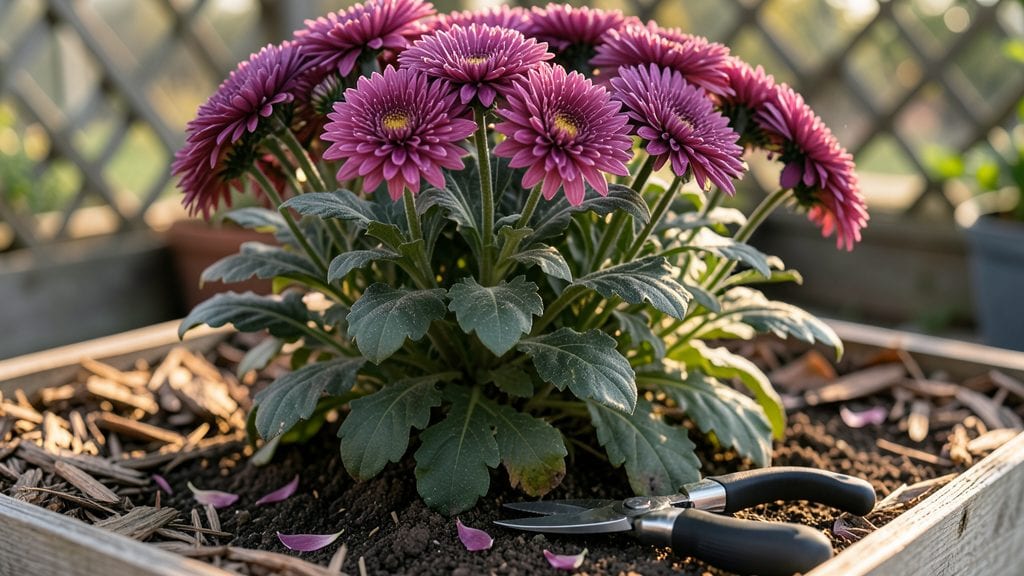
September gardening isn't about winding down—it's when the real magic happens for fall harvests. ✨ I still remember the year I planted kale and carrots in late August and harvested them fresh through December, something I never expected.
The key is working with—not against—the season's shift, focusing on cold-hardy crops that thrive in cooler temps and shorter days.
This month, you'll plant fast-growing greens, root vegetables, and even some flowers that bloom into frost. Prune perennials to encourage new growth, and give your soil a boost with compost before winter sets in.
Even in small spaces, you can extend your harvest well into autumn with the right choices—like spinach, radishes, or broccoli that mature quickly in the crisp air.
What you'll end up with is a garden that keeps giving long after most people have put their tools away. Picture crisp green lettuce, sweet carrots pulled straight from the earth, and maybe even a few late-season tomatoes that surprise you with their flavor.
The secret is timing: plant now, and you'll be harvesting through the holidays.
Works for backyard plots, raised beds, or even containers on patios. Whether you're in a cool northern climate or a mild southern one, September is your last chance to coax another round of bounty from the soil before winter arrives. Let's make the most of it!
📚 In This Guide
- What you need
- Instructions
- Tips and common mistakes
- Wrapping up and next steps
What you need
- ● Seeds: Choose cold-hardy varieties like kale, spinach, carrots, lettuce, radishes, and garlic. Aim for 1–2 lbs of seeds (or ~50–100 seeds per variety, depending on your garden size).
- ● Seedlings: Opt for transplants like broccoli, cabbage, or Brussels sprouts (3–6 plants per variety).
- ● Compost/Organic Matter: 2–3 cubic feet per 100 sq. ft. of garden bed to enrich soil.
- ● Mulch: Straw or shredded leaves (2–3 inches) to protect soil and retain moisture.
- ● Fertilizer: Balanced organic fertilizer (e.g., 10-10-10) or compost tea for a nutrient boost.
- ● Hand Trowel: For precise planting and soil amendments.
- ● Garden Gloves: A sturdy pair to protect your hands from thorns and dirt.
- ● Pruners: Sharp, bypass pruners for trimming dead plants or harvesting.
- ● Rake: A sturdy garden rake to level soil and remove debris.
- ● Watering Can or Hose: With a gentle spray nozzle for even watering.
- ○ Row Cover/Frost Blanket (Optional): To extend the growing season in cooler climates.
- ● Check your frost dates—aim to plant 4–6 weeks before the first frost.
- ● Test your soil pH (ideal: 6.0–7.0 for most veggies) and amend if needed.
- ● Clear out summer crops and remove weeds to prep beds for fall planting.
Step-by-step guide for September planting success
September’s cooler air and shorter days are perfect for planting cool-season crops—here’s how to maximize your fall harvest.
🌱 Step 1: Choose the Right Crops for Your Region
Focus on plants that thrive in 50-65°F temperatures, like leafy greens, root vegetables, and brassicas. In cooler zones (USDA 3-5), try kale, spinach, and carrots. Warmer climates (USDA 7-9) can still grow lettuce, radishes, and turnips. Check your last frost date—most cool-season crops need 60-80 days to mature before winter sets in.
I always check my local extension service for specific recommendations. For example, broccoli and cabbage need full sun (6+ hours daily) but can tolerate light frosts, while lettuce prefers partial shade in hot afternoons. Plant what will reach harvest before hard freezes—this is the key to fall success.
🪴 Step 2: Prepare the Soil for Planting
Work 2-3 inches of compost into the top layer of soil to improve drainage and fertility. September’s mild temperatures let soil warm up faster than spring, so you can plant sooner. Use a garden fork or tiller to loosen compacted areas, breaking up any remaining summer clods.
Test the soil’s moisture before planting—it should feel like a damp sponge, not muddy or bone-dry. If your soil drains poorly, mix in sand or perlite to prevent waterlogging. I like to add a balanced organic fertilizer (like 5-5-5) at planting time to give seedlings a strong start.
☀️ Step 3: Plant at the Correct Depth and Spacing
Follow seed packet instructions for depth—most root crops (like carrots) need ½ inch of soil coverage, while leafy greens (like spinach) can be planted just ¼ inch deep. Overcrowding leads to weak plants and disease, so space seeds according to their mature size. For example, radishes need 1 inch apart, while broccoli plants should be 18-24 inches apart.
Plant in rows or blocks for easier weeding and harvesting. If you’re transplanting seedlings, water them deeply the day before moving to reduce shock. Gently firm the soil around roots to eliminate air pockets, but don’t pack it down—roots need room to breathe.
💧 Step 4: Water and Mulch for Moisture Retention
Water newly planted seeds or seedlings deeply right after planting to settle the soil and encourage root growth. In September, watering needs drop slightly, but keep the soil consistently moist (not soggy) until plants establish. I water in the early morning to reduce evaporation and fungal risks.
Apply 2-3 inches of straw or shredded leaves as mulch to retain moisture and suppress weeds. Mulch also protects young plants from temperature swings—cool nights and warm days are common in fall. Avoid thick layers that smother soil or block sunlight from reaching seedlings.
⏰ Step 5: Protect Plants from Pests and Frost
Watch for cabbage worms, aphids, and slugs—they thrive in fall’s mild weather. Use row covers or neem oil spray if pests appear. For late-season frost sensitivity, cover tender plants with frost cloth when nighttime temps drop below 32°F. I’ve lost entire broccoli plants to unexpected freezes, so I always check the 5-day forecast before planting.
Harvest leafy greens like spinach and lettuce before hard frosts (when temps hit 25°F), but root crops like carrots and beets actually sweeten with light frost exposure. Pull any damaged or diseased plants immediately to prevent spread—fall gardens are prone to fungal issues like downy mildew.
Tips & tricks for perfect September planting
September's mild weather gives you a second chance at a bountiful harvest—here's how to make the most of it without common pitfalls.
Temperature Timing: Pay close attention to those 50-65°F temperature guidelines. If your mornings dip below 50°F, cover tender seedlings with frost cloth until the sun warms things up. I've seen spinach bolt overnight when temps dropped unexpectedly—always check your local forecast's overnight lows before planting leafy greens.
Soil Prep Secret: Don't just add compost—work it in properly! Use a garden fork to create vertical channels in the soil before mixing in your 2-3 inches of compost. This improves drainage while preserving the soil's natural structure. I learned this after struggling with waterlogged beds last fall—now my carrots grow straight and my lettuce thrives.
Planting Depth Trick: For those ½ inch root crops like carrots, use a ruler or popsicle stick to measure depth consistently. Press seeds just deep enough so they're covered but not buried. Too shallow and they'll dry out; too deep and they won't sprout. I keep a small measuring tool in my gardening apron for quick checks.
Frost Protection Strategy: When nighttime temps approach 32°F, I set up a simple frost protection system using old window screens and PVC pipes. Drape the screens over plants and secure with bricks—it creates an insulating air pocket while allowing sunlight. For root crops, wait until temps hit 25°F before harvesting; the frost actually sweetens them!
Pro Tips for Gardening In September
- September's mild weather gives you a second chance at a bountiful harvest—here's how to make the most of it without common pitfalls.
- Temperature Timing: Pay close attention to those 50-65°F temperature guidelines.
- Soil Prep Secret: Don't just add compost—work it in properly!
Frequently asked questions
Got questions about late-season gardening? You’re not alone! Here are some of the most common queries—and their practical answers—to help you make the most of September in your garden.
What vegetables can I still plant in September for a fall harvest?
Focus on cool-season crops like leafy greens (kale, spinach, lettuce), root vegetables (carrots, beets, radishes), and brassicas (broccoli, Brussels sprouts). For warmer climates, try fast-maturing varieties like bush beans or zucchini. Check your frost dates—most crops need 30–60 days to mature before the first frost!
How late can I plant in September and still get a harvest?
Timing depends on your hardiness zone, but aim to plant at least 6–8 weeks before the first frost. For example, in Zone 5, mid-September is ideal for quick crops like radishes or arugula, while slower growers (like cabbage) need an earlier start. Use a frost calculator to plan!
What if September is unusually hot or dry? Can I still garden?
Yes! Adjust by watering deeply in the morning to reduce evaporation, using shade cloth for tender plants, and choosing drought-tolerant varieties like Swiss chard or malabar spinach. Mulch heavily to retain moisture and cool soil—this helps roots stay happy even in heatwaves.
How do I protect my September plants from pests like slugs or cabbage worms?
Start with preventive measures: Handpick pests early, use row covers for brassicas, and set out beer traps or copper tape for slugs. For organic control, try neem oil or introduce beneficial insects like ladybugs. Inspect plants weekly—early action beats an infestation!
Can I still start a fall garden if I missed the ideal planting window?
Don’t stress! Try container gardening with fast growers like microgreens or green onions, or opt for overwintering crops like garlic or onions (plant in late fall). For soil prep, add compost now—it’ll improve next year’s garden too. Even a small harvest beats no harvest!
Wrapping up and next steps
September is your golden opportunity to transform your garden into a thriving fall oasis! 🌿 From planting cool-season crops to preparing for winter, the key is action and adaptability.
Start small—whether it’s a few herbs, leafy greens, or hardy flowers—and watch your efforts bloom into delicious harvests or vibrant colors.
Ready to dive in? Grab your gloves and get growing! Next, check out our fall gardening checklist to keep your momentum going. Happy planting! 🌱