
Tools
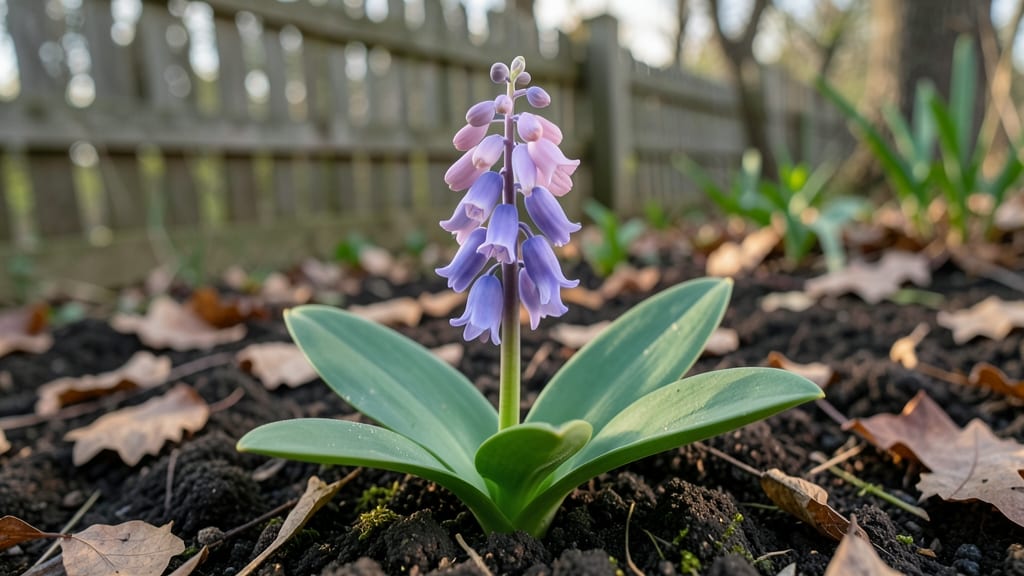
Gardening in Virginia thrives best during spring and fall seasons, where cold-hardy plants like pansies, kale, and evergreen shrubs flourish across its USDA zones 4-8. The state's clay-heavy soils benefit from compost amendments, while summer heat calls for drought-resistant options like lavender or Russian sage. Planting in early spring prevents frost damage, and mulching helps maintain consistent soil temperatures throughout cooler months.
Virginia's diverse climate—from the cool Appalachian Mountains to the humid Coastal Plain—creates unique gardening challenges and opportunities. 🌱 The state's USDA zones 4-8 mean you can grow everything from hardy perennials to tender annuals, but timing matters.
For instance, coastal areas like Virginia Beach have longer growing seasons than the Piedmont, while mountain regions experience earlier frosts. I've found that testing soil pH before planting saves headaches later, especially when dealing with Virginia's signature clay soils that can suffocate roots if not properly amended.
One of my top tips? Start with compost-rich soil—it improves drainage in heavy clay while retaining moisture in sandy areas. For summer gardening, I always reach for drought-tolerant plants like catmint or sedum, which thrive in Virginia's intense heat without constant watering.
The key is matching your plant choices to both your zone and microclimate, whether you're in a city heat pocket or a rural valley.
💡 In This Article
- Virginia’s Growing Zones and Microclimates
- Soil Amendments for Virginia’s Clay and Sandy Loam
Virginia’s growing zones and microclimates
Virginia spans USDA zones 4 through 8, creating a dramatic climate gradient from the cool mountain valleys to the humid coastal plains. The state's highest elevations in the Appalachians (zone 4-5) experience 100-150 frost-free days, while coastal areas like Virginia Beach (zone 8) enjoy 240+ frost-free days.
This variation means gardeners in Roanoke might plant tomatoes in late May, while Norfolk gardeners can start them in April. The key factor is elevation—every 1,000 feet gain drops temperatures by about 3.5°F, creating microclimates even within short distances.
Coastal areas benefit from the moderating influence of the Atlantic Ocean, with milder winters and hotter summers. In Norfolk, summer highs often reach 90°F+ for weeks, while inland cities like Richmond experience 10-15°F cooler maximums.
Urban heat islands make cities like Charlottesville 5-10°F warmer than rural areas just 10 miles away. This urban-rural divide means gardeners in city centers should prioritize reflective mulches and shade-loving plants, while suburban gardeners can push the limits with heat-tolerant varieties.
For annuals, timing is everything—spring planting should begin when soil temperatures reach 50°F consistently. In zone 7 (central Virginia), this typically means mid-April for cool crops like lettuce, but late May for warm crops like peppers.
Perennials offer more flexibility since they establish roots over multiple seasons, but even they need proper timing.
What most people don't realize is that Virginia's last spring frost averages April 15 in the mountains but March 15 along the coast, creating a one-month planting window difference for the same varieties.
Microclimates extend beyond elevation and coastlines—water bodies create their own zones. Gardens near rivers or lakes experience 2-3°F cooler temperatures due to evaporative cooling, while south-facing slopes get 200-300 more hours of sunlight annually than north-facing areas.
This is why a single property might successfully grow both heat-loving rosemary and cold-hardy rhododendrons—just 100 feet apart. The science behind this involves albedo effects (how surfaces reflect sunlight) and convection currents that develop over different terrain.
Urban gardeners face unique challenges from asphalt and concrete, which absorb and radiate heat. In Richmond, summer pavement temperatures can exceed 140°F, creating "heat domes" that push microclimate zones 1-2 zones warmer than official USDA maps suggest.
To combat this, I recommend raised beds with 50% compost and light-colored mulches to reflect excess heat. Even plant selection matters—drought-tolerant sedum thrives in these conditions, while hostas will struggle without afternoon shade.
One practical adjustment is to use frost-free date calculators from local extension offices, which account for these microclimates. For example, the Virginia Tech Extension provides customized planting charts that adjust for your specific county.
This level of precision helps explain why some gardeners in zone 7 can grow tender citrus trees in microclimates protected by brick walls, while others struggle with zone 6 perennials surviving winter exposure.
Here's what actually works in practice: In my zone 6 garden, I've successfully grown fig trees against south-facing walls where winter temperatures rarely drop below 20°F, while my neighbor's identical variety dies back to the ground just 50 feet away in an exposed location.
The lesson? Pay attention to microclimate indicators like frost pockets, afternoon sun patterns, and wind exposure—these often matter more than the official zone designation.