Tools
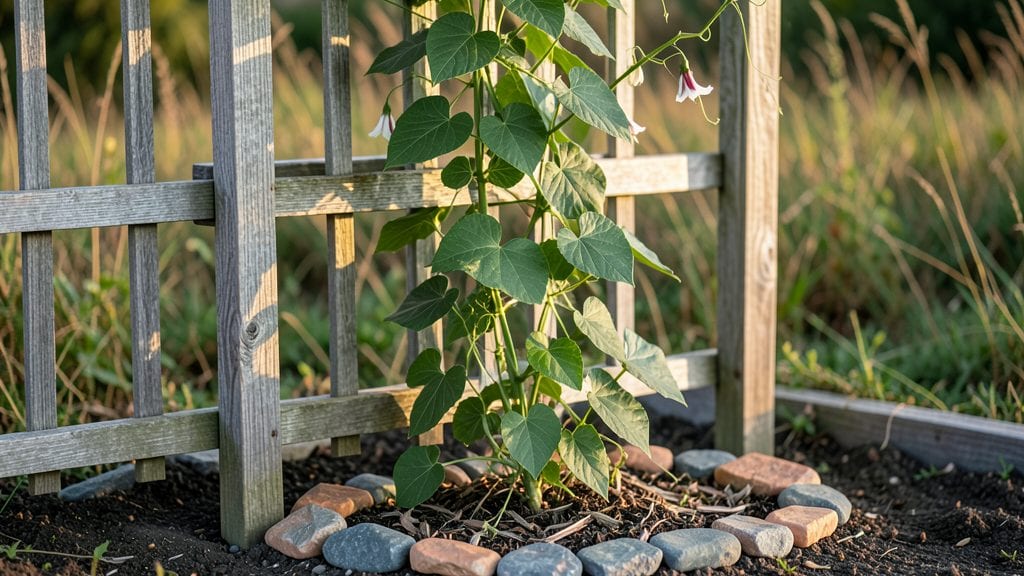
Gardening with trellises transformed my tiny courtyard into a lush vertical paradise—where every inch of wall space now grows food and flowers. 🌿 The right trellis doesn't just support plants; it turns awkward corners into productive growing zones and turns floppy vines into dramatic focal points.
My morning glory climbs a simple wooden lattice, my cucumbers sprawl neatly along a wire grid, and my roses bloom at eye level instead of flopping on the ground.
You don't need fancy materials to start—basic options like bamboo stakes, chicken wire, or pre-made lattice panels work perfectly for beginners.
The key is matching the trellis to your plant's growth habit: sturdy frames for heavy vines like pole beans, lightweight netting for delicate flowers like nasturtiums, or decorative arches for climbing roses.
Even a simple DIY project with PVC pipes and twine can create a functional trellis in under an hour.
What you'll end up with is a garden that feels intentional and abundant, even in small spaces. Imagine snipping fresh herbs growing up your kitchen wall, harvesting tomatoes that ripen in full sun, or creating a fragrant floral tunnel through your yard.
Trellises also make maintenance easier—weeding becomes simpler when plants aren't sprawling everywhere, and pests have fewer places to hide in the open structure.
Works for urban balconies, suburban backyards, or even indoor sunrooms—just adjust the materials for durability. The best part? You can start small with one trellis and expand as your confidence grows. Let's turn that empty wall into a green masterpiece!
📚 In This Guide
- What you need
- Instructions
- Tips and common mistakes
- Wrapping up and next steps
What you need
- ● Trellis: Choose based on your needs—metal, wood, PVC, or bamboo. Sizes vary: 4’x8’ (common for climbing plants) or custom-cut for smaller spaces.
- ● Stakes or Posts: 4–6 wooden or metal stakes (4–6 ft tall) for stability (e.g., T-posts or cedar stakes).
- ● Twine or Plant Ties: 1–2 rolls of jute twine or soft plant ties (3–4 ft long) to secure vines.
- ● Garden Soil or Potting Mix: 1–2 bags (1–2 cubic feet) for planting. Opt for well-draining mix if using containers.
- ● Compost or Fertilizer: 1 bag (organic compost or slow-release fertilizer) to boost plant health.
- ● Measuring Tape: For precise trellis placement (avoid overcrowding!).
- ● Hammer or Mallet: To secure stakes into the ground.
- ● Pruners or Shears: Bypass pruners for trimming vines (clean cuts = happy plants!).
- ● Gloves: Durable gardening gloves to protect hands from thorns or rough materials.
- ● Watering Can or Hose: A lightweight can (1–2 gallons) for gentle watering.
- ● Trellis Paint or Stain: To protect wood from weather (choose non-toxic options!).
- ● Self-Watering System: Drip irrigation or wicking beds for low-maintenance hydration.
- ● Plant Markers: Labels or stakes to track what’s growing where (especially useful for beginners!).
- ● Lattice or Netting: For extra support if growing heavy vines (e.g., cucumbers or squash).
How to install and use trellises for vertical gardening success
Turn wasted vertical space into a productive garden with these simple trellis techniques.
🪴 Step 1: Choose the Right Trellis Type for Your Plants
Start by matching your trellis to the plant's growth habit. For vining plants like cucumbers or pole beans, use a sturdy A-frame or obelisk trellis—they provide strong support as plants grow upward. Delicate climbers like morning glories or clematis do best with cable or lattice trellises, which let vines twine naturally without snapping. I always check the plant's mature height before selecting a trellis; a 6-foot trellis won't do much good for a 2-foot sweet pea.
For sprawling plants like tomatoes or squash, opt for fan-shaped or cage trellises that spread outward. These distribute weight better and prevent stems from breaking under fruit load. If you're working with limited space, a wall-mounted trellis saves floor room while keeping plants accessible. Just ensure whatever you choose can handle at least 10 pounds per square foot of plant weight when fully grown.
☀️ Step 2: Position for Maximum Sun and Airflow
Place your trellis in a spot that gets at least 6 hours of direct sunlight daily—most climbing plants need full sun to produce well. I like to position trellises along fences or walls where they can catch morning sun without afternoon shade blocking. South-facing exposures work best in northern climates, while east or west works in warmer southern regions.
Leave 12-18 inches of clearance between trellises to ensure good airflow. Crowding plants together invites fungal diseases like powdery mildew, which thrives in damp, stagnant air. You'll notice healthier growth when leaves stay dry and stems develop a firm, upright structure. If your garden space is tight, alternate trellises with low-growing plants to break up the vertical lines and improve circulation.
🌱 Step 3: Install Trellis and Train Young Plants
Drive stakes or anchor the trellis 6-12 inches into the ground for stability—deeper for windy areas. I use a level to ensure the trellis stands straight; a crooked support will cause plants to grow unevenly. For freestanding trellises, add guy wires if your area gets strong winds. Once installed, plant your climbers 3-6 inches away from the trellis, depending on their spreading habit.
As soon as seedlings show 3-4 true leaves, gently tie the main stem to the trellis with soft plant ties or old fabric strips. Avoid wire or plastic ties—they can cut into stems as plants thicken. I like to make a loose loop around the stem and trellis, then twist the fabric to secure it. Check ties every 2-3 weeks and adjust as stems grow thicker. The goal is to guide growth upward without restricting it.
🌿 Step 4: Prune and Maintain for Healthy Vertical Growth
Regular pruning keeps plants productive and prevents overcrowding. For indeterminate varieties like tomatoes or cucumbers, pinch off side shoots that form below the first flower cluster—this redirects energy to fruit production. You'll see stronger main stems and heavier yields when you remove these suckers early. For determinate plants like bush beans, let them climb freely but prune any leaves that touch the soil to reduce disease risk.
Support new growth by tying every 6-8 inches as vines extend upward. I check my trellises weekly during peak growing season to ensure nothing is sagging or tangled. Remove any dead or yellowing leaves immediately—they compete with healthy foliage for nutrients. If you notice vines growing away from the trellis, gently weave them back into the structure. A well-maintained trellis system keeps plants growing upward efficiently.
⏰ Step 5: Harvest and Winterize for Next Season
Harvest fruits and vegetables regularly to encourage continuous production. For example, pick cucumbers when they're 6-8 inches long and snap beans when pods are firm but still tender. You'll get more yield if you harvest frequently—overripe produce signals the plant to stop flowering. I always check my trellises every 2-3 days during peak harvest season to avoid missing ripe produce.
When the growing season ends, cut back vines to 6 inches above ground level and remove any remaining plant debris. Store trellises in a dry place if they're not permanent installations. For wooden trellises, apply a waterproof sealant annually to extend their lifespan. I mark my trellises with paint or tags to note which varieties performed best in each spot—this helps with planning next year's vertical garden layout.
Tips & tricks for perfect vertical gardening with trellises
Here's how to maximize your trellis system for healthy, productive plants that thrive upward.
Trellis Type Matters: I've learned the hard way that not all trellises are created equal. For heavy producers like tomatoes or squash, invest in fan-shaped or cage trellises that distribute weight properly. These handle the 10 pounds per square foot load mentioned in Step 1 much better than flimsy options. For delicate climbers like morning glories, I use cable trellises that let vines twine naturally without breaking. The right choice prevents snapped stems and wasted effort.
Sunlight Strategy: That 6 hours of direct sunlight requirement in Step 2 is non-negotiable for most climbing plants. Position your trellis to catch morning sun first—this gives plants energy to grow upward throughout the day. In northern climates, south-facing is ideal, while east or west exposures work better in warmer areas. Pro tip: Use a sunlight tracker app to map your garden's sunlight patterns before installing trellises. This prevents surprises when vines start stretching toward light.
Training Technique: When tying young plants in Step 3, I use old fabric strips from thrift store shirts—they're perfect for this job. Make your first tie when plants have 3-4 true leaves and position it just above the soil line. The key is to create a loose loop that can grow with the plant. I check ties every 2-3 weeks and adjust as stems thicken—tight ties strangle growth over time. This simple habit prevents broken stems and keeps plants climbing efficiently.
Maintenance Schedule: The weekly checks mentioned in Step 4 are worth emphasizing. During peak season, I set a reminder to inspect my trellises every Saturday morning. Look for sagging vines, tangled growth, or leaves touching the soil—these are early warning signs of problems. Remove dead leaves immediately (they compete for nutrients) and weave stray vines back into the structure. This preventative approach keeps your vertical garden thriving all season long.
Pro Tips for Gardening With Trellises
- Here's how to maximize your trellis system for healthy, productive plants that thrive upward.
- Trellis Type Matters: I've learned the hard way that not all trellises are created equal.
- Sunlight Strategy: That 6 hours of direct sunlight requirement in Step 2 is non-negotiable for most climbing plants.
Frequently asked questions
Got questions about maximizing your garden’s potential with trellises? You’re not alone! Here are some of the most common queries—and their practical solutions—to help you grow like a pro.
What are the best plants for beginners to grow on trellises?
Start with easy climbers like cucumbers, beans, or morning glories. These grow fast, tolerate mistakes, and thrive with minimal support. For flowers, clematis or sweet peas add beauty while training you on trellis basics. Avoid heavy vines (e.g., pumpkins) until you’re confident!
When is the ideal time to install a trellis in my garden?
Install trellises early in the season—right after the last frost—so plants have time to climb. For perennials (like grapes or kiwi), set up trellises in late winter or early spring before new growth begins. Pro tip: If retrofitting, do it as soon as seedlings are 2–3 inches tall to avoid bending stems.
Can I use trellises for non-climbing plants like tomatoes or peppers?
While tomatoes and peppers aren’t vining plants, staking or cage-style trellises (like tomato cages or wooden stakes) provide support to prevent sprawling and improve air circulation. For peppers, use small cages or individual stakes to keep plants upright and reduce disease risk.
What should I do if my trellis is bending or collapsing under plant weight?
Reinforce your trellis with stakes or guy wires for extra stability. For lightweight materials (like bamboo), add cross-bracing or switch to metal/powder-coated wood. If the issue persists, upgrade to a heavier-duty trellis (e.g., galvanized steel or PVC) designed for mature vines. Prevention tip: Prune aggressively growing plants regularly!
Are there alternatives to traditional trellises for small spaces?
Yes! Try wall-mounted trellises, hanging planters with built-in supports, or even repurposed materials like chicken wire or old ladders. For balconies, vertical pocket planters or freestanding A-frame trellises work wonders. Get creative—pallets, fences, or even DIY wire cages can double as trellises!
Wrapping up and next steps
Gardening with trellises is your secret weapon for transforming small spaces into lush, productive gardens! 🌱 Whether you’re growing vining plants, saving space, or boosting yields, trellises offer creative solutions for every gardener.
With the right materials and a little planning, you can turn even the tiniest yard into a thriving vertical oasis.
Ready to get started? Pick your favorite plants, grab a trellis, and let your green thumb shine! Next, explore design ideas or dive into seasonal planting tips to keep your vertical garden flourishing year-round.