
Pests
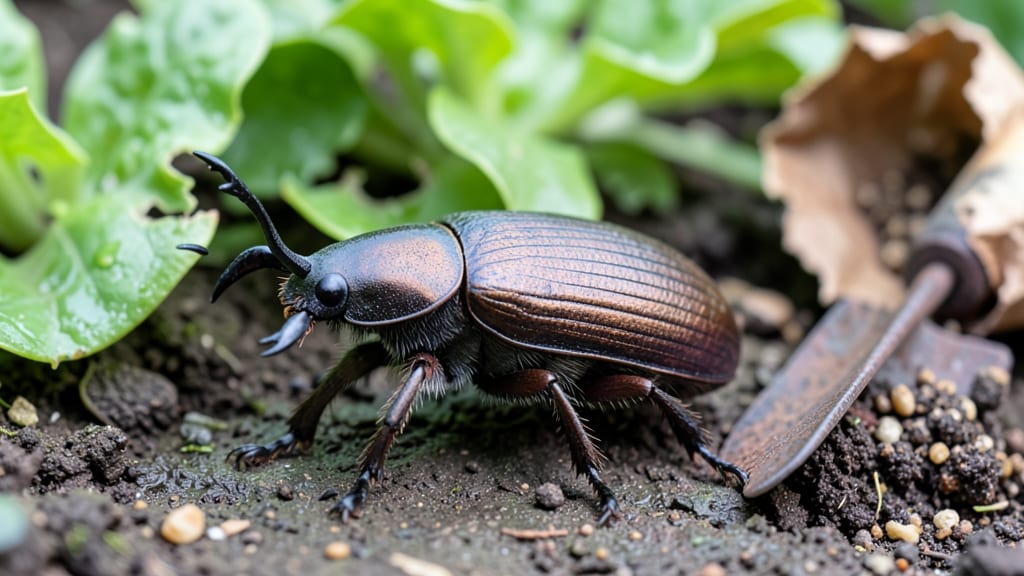
There’s no fail-safe way to get rid of slugs in the garden, but these tricks have saved my hostas and lettuce from becoming overnight confetti—here’s what finally worked for me. I discovered these foolproof barriers that actually work without harming your plants or local wildlife.
The key is combining physical barriers with natural deterrents—copper tape (which gives them a mild electric shock), crushed eggshells (their rough edges deter movement), and beer traps (yes, really) that lure them away without chemicals.
These methods take less than 30 minutes to set up and protect your garden for weeks, not just a single night.
By the end of this, you’ll have a garden where slugs stand no chance, and your plants stay thriving without a single chemical in sight. The best part? These solutions work for containers, raised beds, and in-ground gardens alike—no matter how big (or small) your space is.
No more waking up to devastation. Here’s how to turn the tide against slugs for good.
The Hidden Reasons Slugs Invade
Slugs aren’t just random garden pests—they’re drawn to your yard for specific reasons tied to your environment, plants, and even your watering habits. Understanding these triggers is the first step to outsmarting them. Let’s break down the science behind why these slimy invaders show up in the first place.
Slugs are essentially water-loving snails without shells, and their bodies are over 80% water.
When your garden stays damp—whether from: - Overwatering (especially at night, when slugs are most active) - Poor drainage (low spots, clay soil, or compacted earth) - Rainy weather (slugs thrive in humidity above 80%)
They can’t survive in dry conditions, so they seek out moist hideouts under leaves, mulch, or plant debris. Pro tip: 💡 Slugs also love condensation—watering in the evening or using drip irrigation at night can turn your garden into a slug hotel.
Slugs have a simple diet: tender, soft plant matter. They’re particularly fond of:
- Young seedlings (easy to overpower)
- Leafy greens (lettuce, spinach, kale—basically their salad bar)
- Fruits & veggies (tomatoes, strawberries, hostas—juicy and weak)
- Decaying organic matter (rotting wood, compost piles, fallen leaves)
Why? Their radula (a tongue-like scraping organ) lets them chew through plant tissue like a lawnmower. If your garden is a buffet of their favorites, they’ll overstay their welcome.
Slugs are nocturnal and shy—they avoid sunlight like a vampire avoids garlic. They hide in:
- Dense mulch (especially thick, organic layers)
- Rocks, boards, or debris (anything that traps moisture)
- Under plant pots or dense foliage (like hostas or ferns)
Science fact: 🔬 Slugs mucus trails help them navigate, but they also dry out in sunlight—their slime layer evaporates, leaving them vulnerable. That’s why they stay hidden until nightfall.
Slugs don’t just wander in—they lay eggs in:
- Loose, aerated soil (easy to burrow into)
- Garden beds after tilling or planting (they sense disruption)
- Compost piles or leaf litter (warm, moist, and undisturbed)
A single slug can lay up to 40 eggs in a season, and they hatch in 2-3 weeks under ideal conditions. If your soil is recently turned, slugs may see it as an invitation to reproduce.
In a healthy ecosystem, slugs face threats from:
- Birds (robins, thrushes—slugs are a protein-rich snack)
- Ground beetles & centipedes (they hunt slugs like predators)
- Frogs & toads (slugs are slow-moving prey)
- Nematodes (microscopic worms that parasitize slugs)
But if your garden lacks: ❌ Bird feeders or nesting spots ❌ Diverse plant life (monoculture gardens offer fewer predators) ❌ Log piles or rocky edges (where predators hide)
Slugs multiply unchecked, turning your garden into their personal kingdom.
Slugs prefer temperatures between 50°F and 70°F—too hot or too cold, and they slow down or die. They love:
- North-facing garden beds (cooler, shadier)
- Thick ground cover (like ivy or creeping charlie)
- Greenhouses or cold frames (where humidity is trapped)
Fun fact: 🌡️ Slugs hibernate in winter but awaken in spring when soil warms—meaning early spring is peak slug season before predators wake up.
Many traditional pesticides kill beneficial insects (like ladybugs or spiders) that control slug populations naturally. Without these checks and balances, slugs take over faster.
The irony? 😅 Some "slug baits" (like metaldehyde) poison the soil, making it even more attractive to slugs long-term by disrupting predator ecosystems.
Slugs don’t invade randomly—they’re opportunistic survivors drawn by moisture, food, shelter, and lack of competition. The good news? Once you identify their triggers, you can flip the script with smart barriers, predator-friendly gardens, and dry conditions.
Stay tuned for natural solutions that outsmart slugs without harming your plants (or your conscience).
Natural Ways to Outsmart Slugs
Slugs may seem like tiny, slimy invaders, but with the right strategies, you can reclaim your garden without resorting to harsh chemicals. Below are targeted solutions based on the most common causes of slug infestations—from damp soil to hiding spots—and how to fix them naturally.
Slugs thrive in damp, shaded areas where the ground stays cool and humid. If your garden is a slug buffet, it’s time to dry things out.
✅ Solution:
- 🔥 Improve Drainage – Amend heavy or clay soil with compost, sand, or perlite to help water drain faster.
- 🍳 Raise Planting Beds – Elevate susceptible plants in raised beds or containers to reduce ground moisture near foliage.
- ☀️ Add Sunlight – Prune overhanging branches or thin dense shrubs to let more sunlight reach the soil, making it less slug-friendly.
💡 Pro Tip: Avoid watering late in the day—slugs are nocturnal and will seek out damp spots after evening showers.
Slugs love to hide under mulch, boards, rocks, or dense foliage during the day. Remove their cozy hideaways, and they’ll move on.
✅ Solution:
- 👨🍳 Remove Debris – Clear away leaves, wood chips, and garden trash where slugs nest.
- 🥘 Use Slug-Resistant Mulch – Swap thick organic mulch for gravel, pine needles, or straw (slugs dislike sharp or dry surfaces).
- 🔪 Create Barriers – Place copper tape (a mild electric shock deters them) or diatomaceous earth (a natural powder) around plant bases.
🎯 Prevention Hack: Keep grass short—slugs prefer long, moist grass as a highway to your veggies.
Slugs are vegetarian gluttons, feasting on tender leaves, fruits, and seedlings. Make your garden less appealing by removing their buffet.
✅ Solution:
- 📊 Choose Slug-Resistant Plants – Opt for rosemary, lavender, geraniums, or marigolds—slugs usually avoid them.
- 🥗 Protect Young Plants – Use collars made from plastic or cardboard around seedlings to block slug access.
- 🍎 Remove Fallen Fruit & Veggies – Pick up overripe tomatoes, squash, or berries before slugs turn them into a snack.
✨ Extra Defense: Plant garlic, onions, or chives nearby—slugs dislike their strong scent.
Instead of chemicals, leverage nature’s pest control—slugs have many enemies, and you can encourage them.
✅ Solution:
- 🍺 Beer Traps (Yes, Really!) – Bury a shallow dish filled with beer at ground level. Slugs crawl in and drown—no mess, no harm.
- 🐌 Introduce Natural Predators – Attract birds, frogs, ground beetles, and hedgehogs with puddles, bird feeders, or log piles.
- 🌡️ Handpick at Night – Grab slugs by the body (not the slime trail!) and drop them in soapy water or relocate them far from your garden.
🔥 Nighttime Tip: Use a flashlight with a red filter (slugs are less sensitive to red light) to spot and remove them after dark.
Once you’ve kicked slugs out, keep them from returning with these easy habits:
✔ Test soil moisture – Aim for well-draining soil (slugs hate dry conditions). ✔ Space plants properly – Good airflow reduces humidity where slugs hide. ✔ Harvest regularly – Fallen produce = slug magnet—clean up often. ✔ Rotate crops – Slugs remember favorite spots; mix up plant locations yearly. ✔ Encourage diversity – A healthy, varied garden supports predators that eat slugs.
By drying out their hideouts, blocking their paths, and outsmarting their diet, you’ll send slugs packing—naturally and effectively. No chemicals, no guilt—just a slug-free paradise! 🚫🐌
Frequently asked questions
What’s the fastest way to get rid of slugs overnight?
Set up a beer trap—fill a shallow dish with beer and bury it at ground level. Slugs are drawn to the yeast and drown within hours. For immediate results, also place copper tape around vulnerable plants—it gives them a mild electric shock they’ll avoid. Combine both methods for maximum impact.
Are coffee grounds really effective against slugs?
Yes! Sprinkle used coffee grounds around plants—the caffeine and acidity dehydrate slugs and disrupt their slime trails. Refresh every 2-3 days after rain, as moisture washes away the effects. Bonus: It also deters ants and improves soil fertility. Just avoid overusing it—too much can make soil too acidic.
Why do slugs keep coming back after I’ve removed them?
Slugs return because your garden likely still offers their top three needs: moisture, food, and shelter. Check for hidden damp spots, fallen fruit, or thick mulch. Focus on improving drainage, removing debris, and using barriers like crushed eggshells or diatomaceous earth to break their cycle.
Can I use salt to kill slugs?
While salt does kill slugs, it’s not recommended for most gardens. It can harm soil microbes and nearby plants by altering soil chemistry. For targeted use, sprinkle a small amount directly on slugs (they’ll dry out within minutes), but avoid spreading it broadly. Better options include organic methods like beer traps or nematodes.
How do I protect my seedlings from slugs without chemicals?
Wrap seedlings with cardboard collars (bury the bottom edge) or use plastic cups cut in half. For larger plants, apply copper tape around the base. Water in the morning instead of evening to reduce slug activity. These barriers work for 2-3 weeks before needing refreshment.