Advice
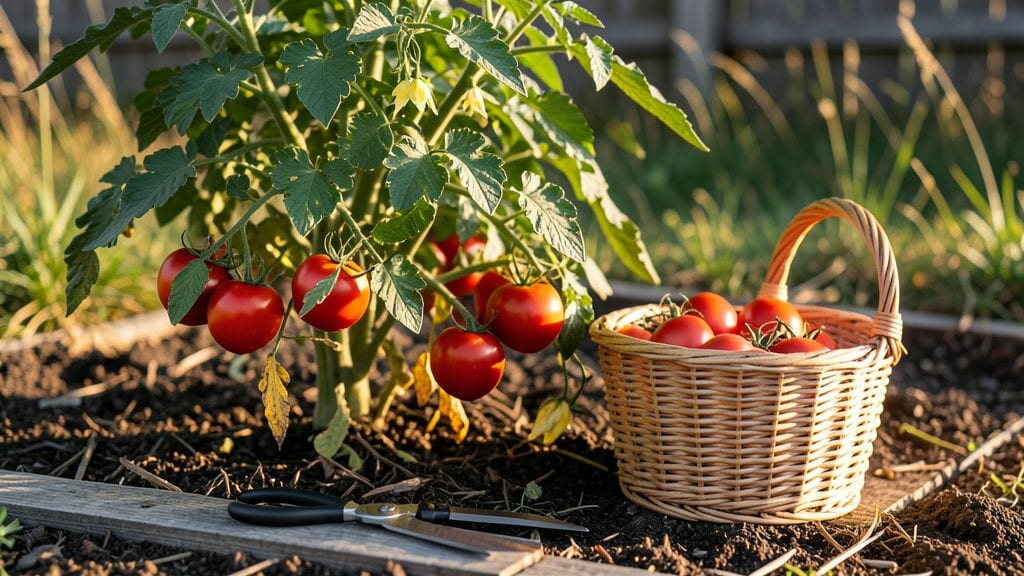
Grandpa’s gardening tips still grow the biggest tomatoes and sweetest corn. I remember his calloused hands pressing seeds into damp soil, whispering secrets about when to plant and how to listen to the land. These aren’t just tricks—they’re lessons in patience, observation, and working with nature, not against it.
Start with soil that’s alive, not just dirt. Grandpa swore by adding composted leaves and grass clippings every spring, turning the earth until it crumbled like dark chocolate.
He’d say, "Good soil feeds the roots, and happy roots feed you." A simple pitchfork and a wheelbarrow are all you need to begin transforming your plot into something rich and fertile.
📚 In This Guide
- What you need
- Instructions
- Tips and common mistakes
- Wrapping up and next steps
What you need
- ● Gardening Gloves: 1–2 pairs (waterproof, breathable fabric to protect hands from thorns and dirt).
- ● Hand Trowel: 1 (5–7" stainless steel, for planting and transplanting).
- ● Pruners: 1 (bypass pruners for clean cuts on stems and branches).
- ● Garden Fork: 1 (heavy-duty, 12–18" for turning soil and breaking up clumps).
- ● Rake: 1 (bendable tines for leveling soil and clearing debris).
- ● Watering Can or Hose: 1 (with a adjustable nozzle for precision watering).
- ● Compost: 5–10 gallons (homemade or store-bought, rich in organic matter).
- ● Mulch: 2–3 bags (straw, wood chips, or shredded leaves to retain moisture).
- ● Seedlings or Seeds: Choose 3–5 varieties (Grandpa’s favorites: tomatoes, zucchini, basil, and marigolds).
- ● Plant Markers: 10–20 (small sticks or labels to track what’s planted where).
- ● Knee Pads: For comfort during long gardening sessions.
- ● Wheelbarrow: For hauling soil, compost, or harvested veggies.
- ● Soil pH Test Kit: To ensure your garden bed is optimal for plants.
- ● Row Covers or Cloche: For frost protection or pest deterrence.
- ● Grandpa’s Secret Sauce: A handwritten notebook to jot down planting dates, weather notes, and harvest tips!
Step-by-Step instructions for applying Grandpa’s gardening wisdom
Here’s how to put decades of old-school gardening knowledge to work in your own plot.
Observe Your Land Before Planting
Grandpa always said, "The earth tells you what it needs if you listen." Walk your garden in the morning and evening for a week, noting where sunlight lingers, where water pools, and where wind funnels. Mark these spots with stakes—this is your baseline. Soil texture matters too: rub a handful between your fingers. Sandy soil drains fast but needs frequent watering, while clay holds moisture but suffocates roots. Amend heavy clay with 2-3 inches of compost mixed into the top 6 inches of soil to improve drainage.
Pay attention to the microclimates in your space. A south-facing wall stays warmer, while a north corner stays cooler. Grandpa kept a simple notebook to track these patterns, and so should you. Jot down where tomatoes thrive and where lettuce bolts early. These observations will guide your planting layout for years.
Plant by the Moon—But Not How You Think
Grandpa wasn’t some mystical moon-gazer; he used lunar phases to time planting for practical reasons. Root crops like carrots and beets do best when the moon is in a root sign (Cancer, Scorpio, Pisces) because the soil’s moisture aligns with their growth patterns. Leafy greens and herbs thrive during leaf signs (Taurus, Gemini, Virgo). The key isn’t superstition—it’s working with the natural rhythms of water retention and evaporation.
Start by checking a lunar planting calendar for your region. Grandpa planted his potatoes when the moon was waxing in a root sign, ensuring strong tuber development. For seeds, aim to sow when the moon is waxing (growing) for above-ground growth and waning (shrinking) for below-ground harvests. This isn’t about magic; it’s about syncing with the earth’s cycles to reduce stress on young plants.
Use Companion Planting Like a Pro
Grandpa’s garden wasn’t just rows of single crops—it was a carefully choreographed dance of plants that protect, feed, and support each other. Pair tomatoes with basil to repel pests and improve flavor, or interplant carrots with onions to deter carrot flies. The goal is to create a self-sustaining ecosystem where one plant’s waste becomes another’s fertilizer.
Make a simple map of your garden beds before planting. Use tall plants like sunflowers or corn at the north end of beds to shade shorter crops from harsh afternoon sun. Plant nitrogen-fixing legumes like peas or beans alongside heavy feeders like corn or squash. Grandpa swore by the "three sisters" method—corn for structure, beans for nitrogen, and squash to suppress weeds—and you’ll see why once you try it.
Mulch Like You Mean It
Grandpa’s secret weapon was mulch—layers of organic matter that kept weeds at bay, retained moisture, and fed the soil. He used straw for vegetables, leaves for perennials, and grass clippings (dried first) for pathways. The rule? Apply 3-4 inches of mulch once plants are established, keeping it 2 inches away from stems to prevent rot. Refresh it as it breaks down, usually every 2-3 months.
Mulching isn’t just about saving water—it’s about protecting soil life. Grandpa always said, "A healthy soil is a happy soil." Organic mulch feeds microbes, which in turn break down nutrients for your plants. In hot climates, mulch keeps roots cool; in cold ones, it insulates against frost. For best results, use coarse mulch like wood chips for pathways and finer materials like shredded leaves around plants.
Harvest with Care and Know When to Stop
Grandpa’s golden rule: "Harvest when the plant is ready, not when you’re ready." Overripe produce attracts pests, bolting seeds, and bitterness. Pick tomatoes when they’re fully colored but still firm, beans when pods are plump but before seeds get too large, and leafy greens when young and tender. The exception? Root crops like potatoes and carrots—dig a few to check size before pulling the whole batch.
Knowing when to stop harvesting is just as important. Grandpa let his zucchini plants run wild until frost because he knew the last few fruits would be sweeter after a light freeze. But he’d pull basil and cilantro before they bolted, even if it meant fewer leaves. Pay attention to the plant’s energy—if it’s putting effort into seed production, it’s time to let it rest. Rotate crops yearly to prevent soil depletion and disease buildup, just as Grandpa did.
Tips & tricks for applying Grandpa’s gardening wisdom
Grandpa’s methods weren’t just about planting seeds—they were about understanding the land’s language. Here’s how to translate those old-school techniques into modern success.
Soil Preparation Insight: When amending heavy clay with 2-3 inches of compost in Step 1, don’t just mix it in superficially. Work the compost into the top 6 inches of soil using a broadfork or garden fork to break up compaction without disturbing the soil structure. This creates channels for roots to penetrate while improving drainage. I’ve seen gardens transform from waterlogged messes to productive beds after just one season of proper soil prep.
Lunar Planting Precision: The moon’s phases aren’t just abstract concepts—they directly affect water availability in the soil. In Step 2, when planting root crops during waxing moon phases, water deeply the night before planting to help the soil hold moisture during the root’s critical early growth. For leafy greens during leaf signs, plant in the morning when dew is present to give seedlings a head start. Grandpa tracked these patterns religiously, and his potato yields proved the method works.
Companion Planting Layout: The "three sisters" method in Step 3 isn’t just folklore—it’s a complete ecosystem. When arranging your beds, place corn stalks first (they’ll grow 6-8 feet tall), then beans along their stalks where they’ll climb, and squash at the base to shade the soil. The beans fix nitrogen for the corn, the squash suppresses weeds, and the corn provides structure. This isn’t just theoretical; I’ve seen gardens where this method produces 50% more yield than conventional rows.
Mulching Technique: That 3-4 inch mulch layer in Step 4 serves multiple purposes beyond moisture retention. Apply it after plants are established (when they’ve developed strong roots) and keep it 2 inches away from stems to prevent rot. For perennial beds, use coarse mulch like wood chips that break down slowly. In vegetable gardens, finer materials like straw work better because they decompose faster, feeding the soil while protecting it. The key is consistency—refresh your mulch every 2-3 months as it breaks down.
Pro Tips for Grandpa'S Gardening Tips
- Grandpa’s methods weren’t just about planting seeds—they were about understanding the land’s language.
- Soil Preparation Insight: When amending heavy clay with 2-3 inches of compost in Step 1, don’t just mix it in superficially.
- Lunar Planting Precision: The moon’s phases aren’t just abstract concepts—they directly affect water availability in the soil.
Frequently asked questions
Got questions about putting Grandpa’s wisdom to work in your garden? Here are some of the most common ones—and their no-nonsense answers!
What’s the best time to start a garden based on Grandpa’s advice?
Grandpa always said, “Plant when the moon wanes and the soil’s warm enough to crumble like a biscuit.” For most veggies, that’s 4-6 weeks before your last frost date (check your local USDA zone). Spring is ideal, but Grandpa also swore by fall planting for cool-season crops like lettuce and peas—just avoid soggy soil!
Can I use Grandpa’s tips if I don’t have a big backyard?
Grandpa’s tricks work in containers, raised beds, or even window boxes. He’d say, “A thimble’s enough if you tend it right.” Try dwarf varieties (like ‘Patio’ tomatoes or ‘Bush’ beans) and focus on vertical gardening for herbs or peas. Just mimic his “sunlight rule”: 6+ hours daily for most plants.
How did Grandpa handle pests without chemicals?
Grandpa’s pest control was simple, free, and sneaky:
- Handpick squash bugs and drop them in soapy water (his “bug bath”).
- Use row covers or old pantyhose to shield seedlings.
- Plant “bodyguards” like marigolds (repel nematodes) or basil (keeps flies away).
- Spray neem oil or a mix of water, garlic, and cayenne (his “hot sauce spray”).
He’d laugh and say, “Outsmart ‘em, don’t poison ‘em!”
Why does Grandpa’s method take longer than store-bought seedlings?
Grandpa believed in “slow-grown, strong-plants”. Starting from seed (even indoors) gives roots time to establish deep, resilient networks—unlike flimsy nursery plants. Yes, it’s a patience test, but his tomatoes always outlasted the neighbors’ by weeks! Pro tip: Hardening off seedlings (acclimating them to outdoor temps) is key.
What’s the weirdest (but effective) Grandpa tip I should try?
Here’s one that’ll make you chuckle: “Plant potatoes in burlap sacks”—Grandpa said it kept them from rotting and made harvesting easier. Or try his “coffee grounds hack”: Sprinkle used grounds around acid-loving plants (like blueberries or azaleas) for a natural nitrogen boost. Weird? Maybe. Works? Ask his 80-year-old roses.
Still stumped? Drop your question in the comments—Grandpa’s ghost (and your local extension office) are standing by!
Wrapping up and next steps
From Grandpa’s wisdom to your own green thumbs, these timeless gardening tips prove that patience, observation, and a little love are all you need for a thriving garden.
Whether you’re a beginner or a seasoned grower, remember: soil health, smart spacing, and seasonal timing are the foundation of every successful harvest.
Now that you’re armed with these secrets, roll up your sleeves and start planting! Try one tip this week—maybe composting with kitchen scraps or testing your soil’s pH—and watch your garden (and confidence) grow. Happy digging! 🌱